As New York’s built environment evolves, resilience against climate-related challenges is a critical priority. Affordable housing is another. With much of the city’s housing stock standing in need of costly retrofitting against climatic threats, these values could be headed for a collision. If one important definition of tragedy (G.W.F. Hegel’s) is a clash between two legitimate and urgent but incompatible values, older multifamily buildings (particularly those located in the city’s 100-year floodplains) could be the site of an impending tragedy assuming several foreseeable forms, including loss of affordable units, inadequate stormproofing – and perhaps, for some of the city’s most vulnerable populations, accelerated displacement or worse.
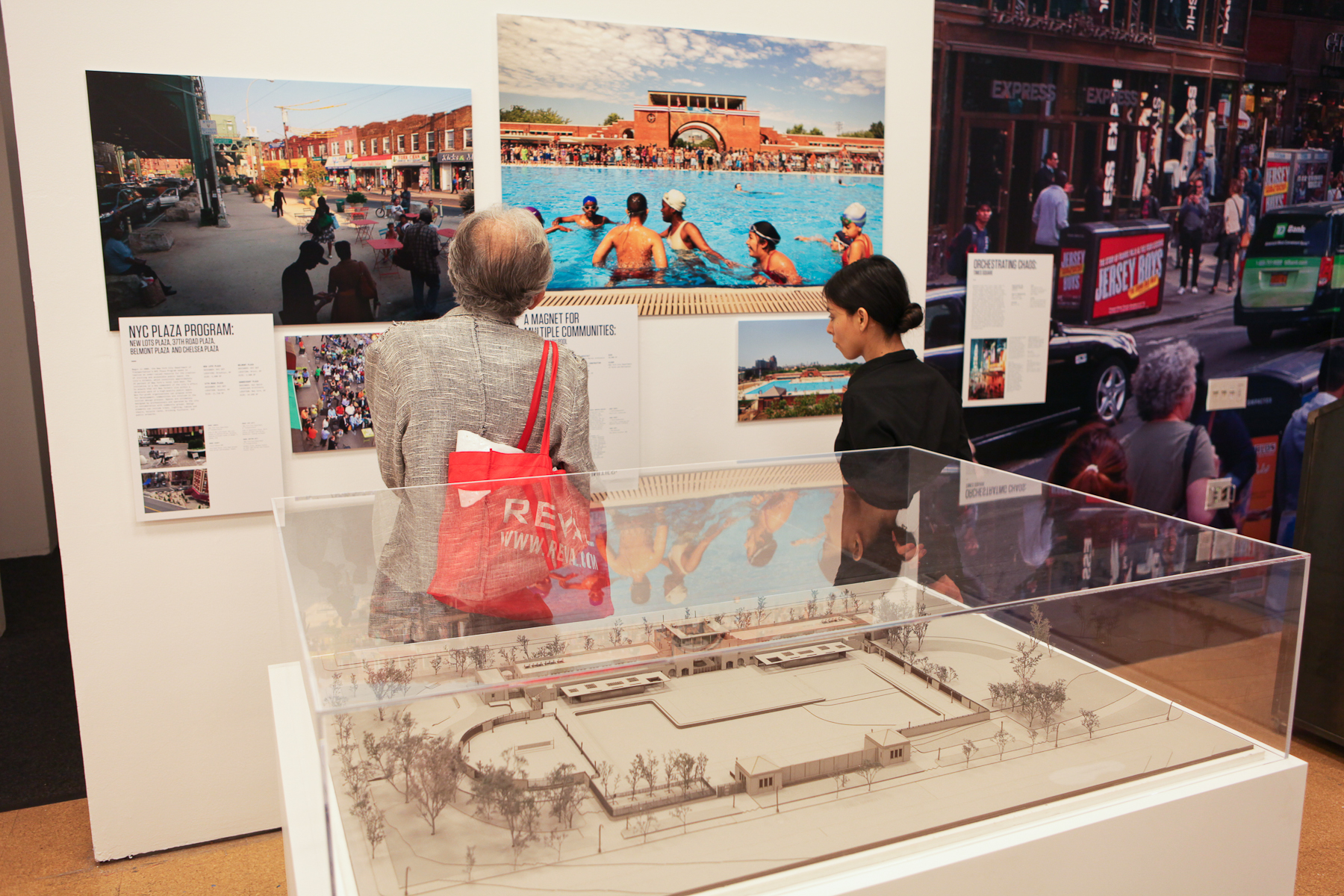
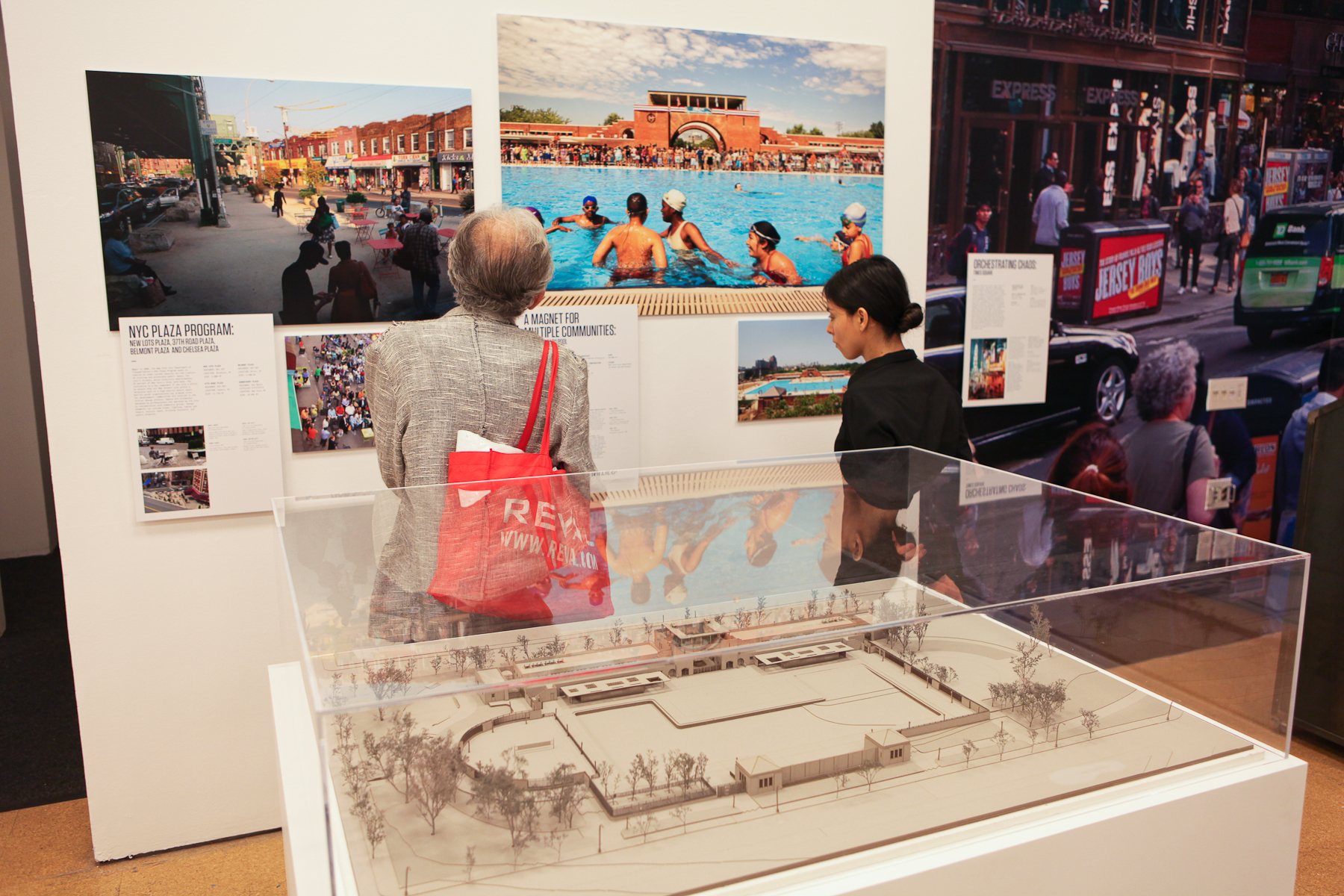
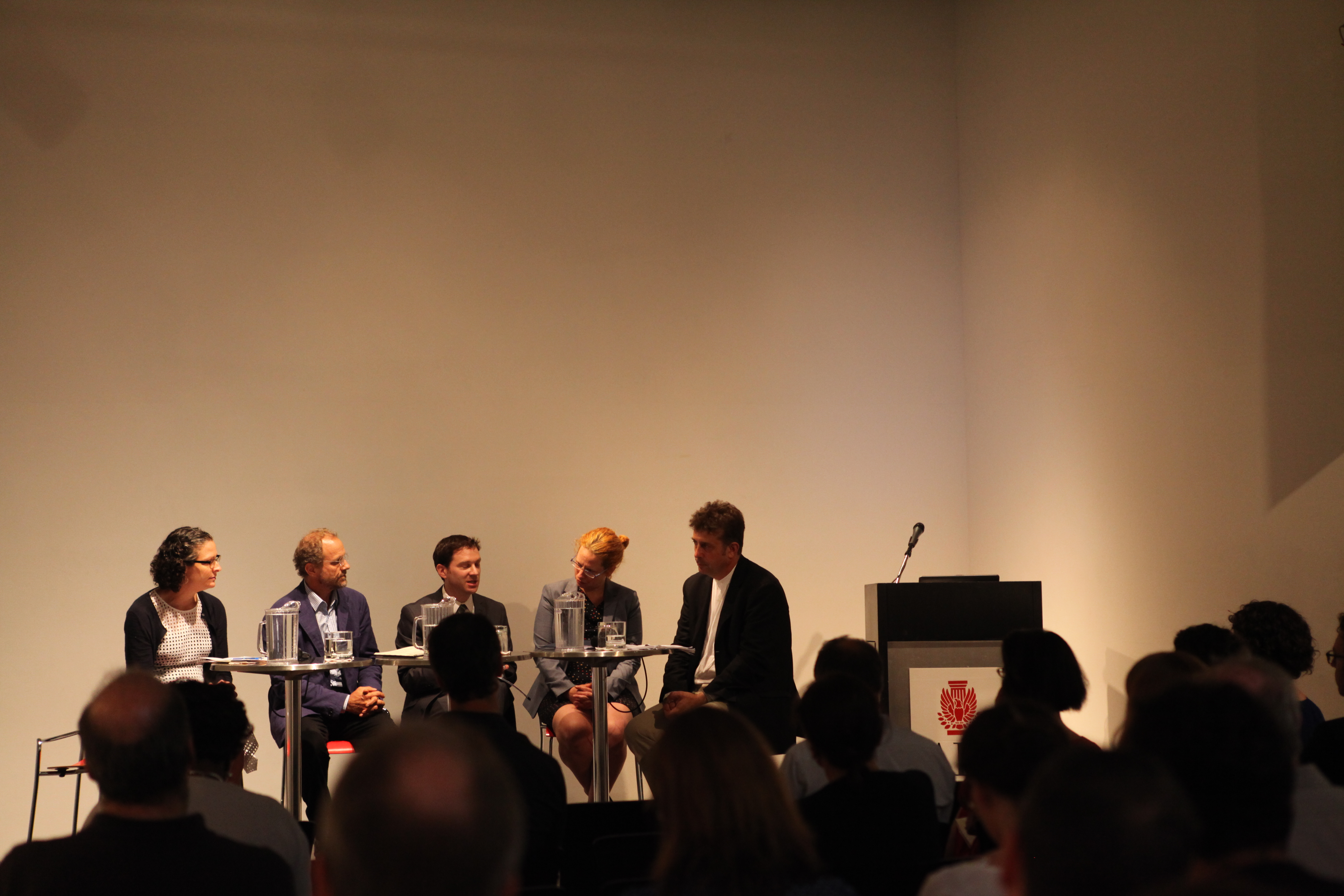
NYU’s Furman Center, an urban-policy think tank jointly operated by the university’s law school and Wagner Graduate School of Public Service, has published The Price of Resilience: Can Multifamily Housing Afford to Adapt? – a report that examines the regulatory, financial, and social aspects of these converging challenges. On the eve of releasing the report, as an initiative of the 2014 AIANY Presidential Theme “Civic Spirit: Civic Vision” and coordinated with the “Affording Resilience” exhibition on view at the Center for Architecture until 08.07.14, representatives of the Furman Center discussed the report’s findings with two architects and two planners. There is no simple answer to the question its subtitle poses, beyond an unsettling “possibly not,” The current regulatory framework is unprepared for the problem, and private owners are caught between disincentives to upgrade their buildings and the likelihood of soaring flood-insurance costs if they do not. Recognizing the impending problem is a necessary first step toward heading it off, even if financially and politically feasible solutions are not in sight. Continue reading “The Next Big Storm as Hegelian Tragedy: Resilience vs. Affordability”