A Visit to New Amsterdam

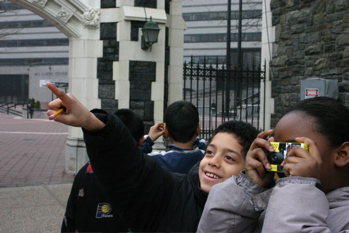
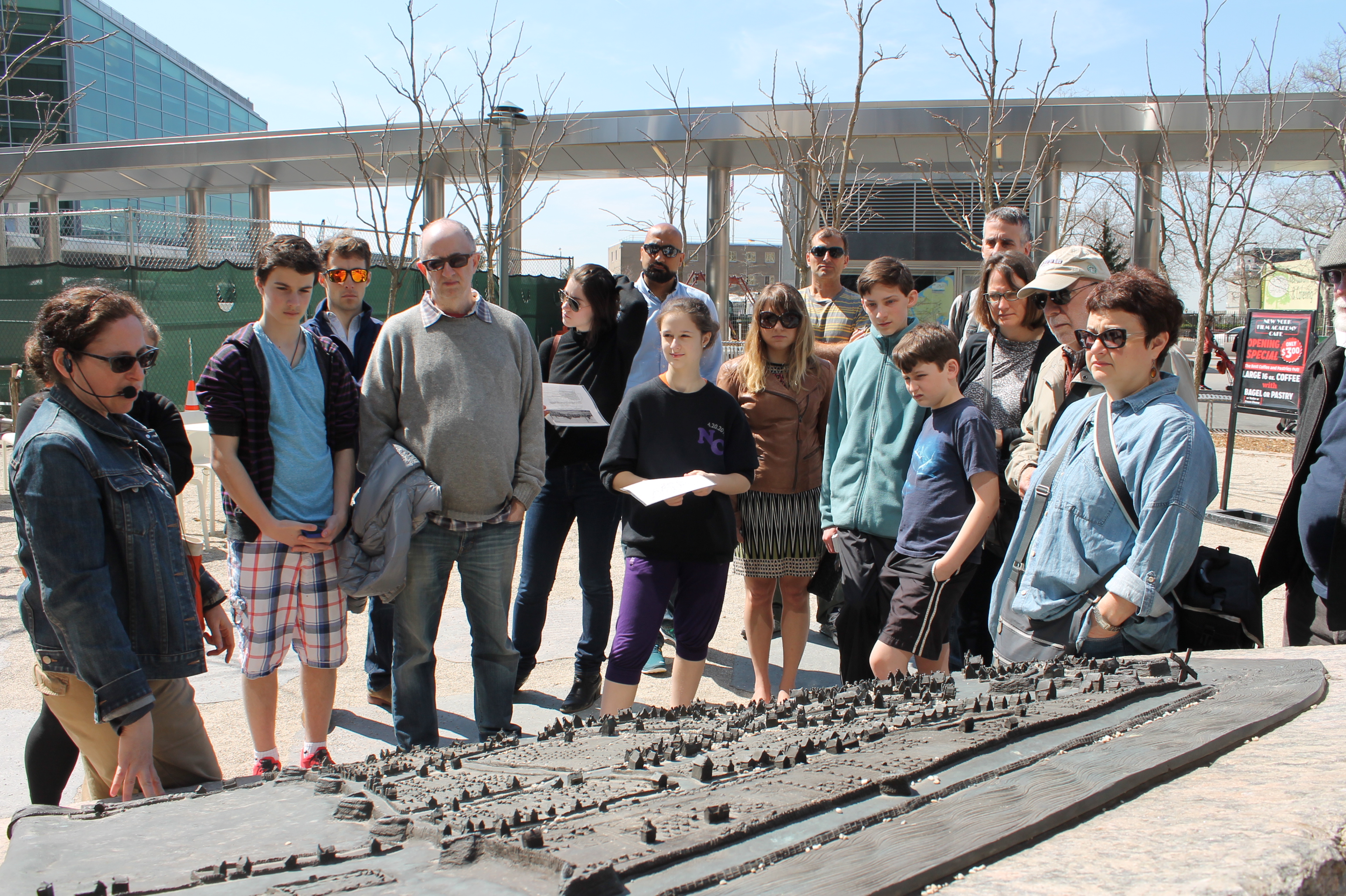
It was perfect walking tour weather as a group of 20 traced the outlines of New York City’s early days as New Amsterdam in the area below Wall Street in Lower Manhattan. The first of the Center for Architecture Foundation’s Reading the Streetscape walking tours this spring, the New Amsterdam tour on 04.12.14 kicked off a series of three walks chronicling how the grew, from its early days as a Dutch company town to today’s modern metropolis.

The tour, led by CFAF Design Educator and architectural historian Jane Cowan, began at Bowling Green, the small park at the foot of Broadway, which dates back to the 1600s when the Dutch West India Company ran New Amsterdam as a trading post specializing in beaver skins to ship to Europe. The park was used at that time for ninepins bowling games, hence the name, and the fence that stands there today pre-dates the Revolutionary War, when the tops of its finials were chopped off to melt down for ammunition. Continue reading “A Visit to New Amsterdam”

Towering Ambitions for Students Attending the Center for Architecture Foundation’s Studio@theCenter Programs this Spring

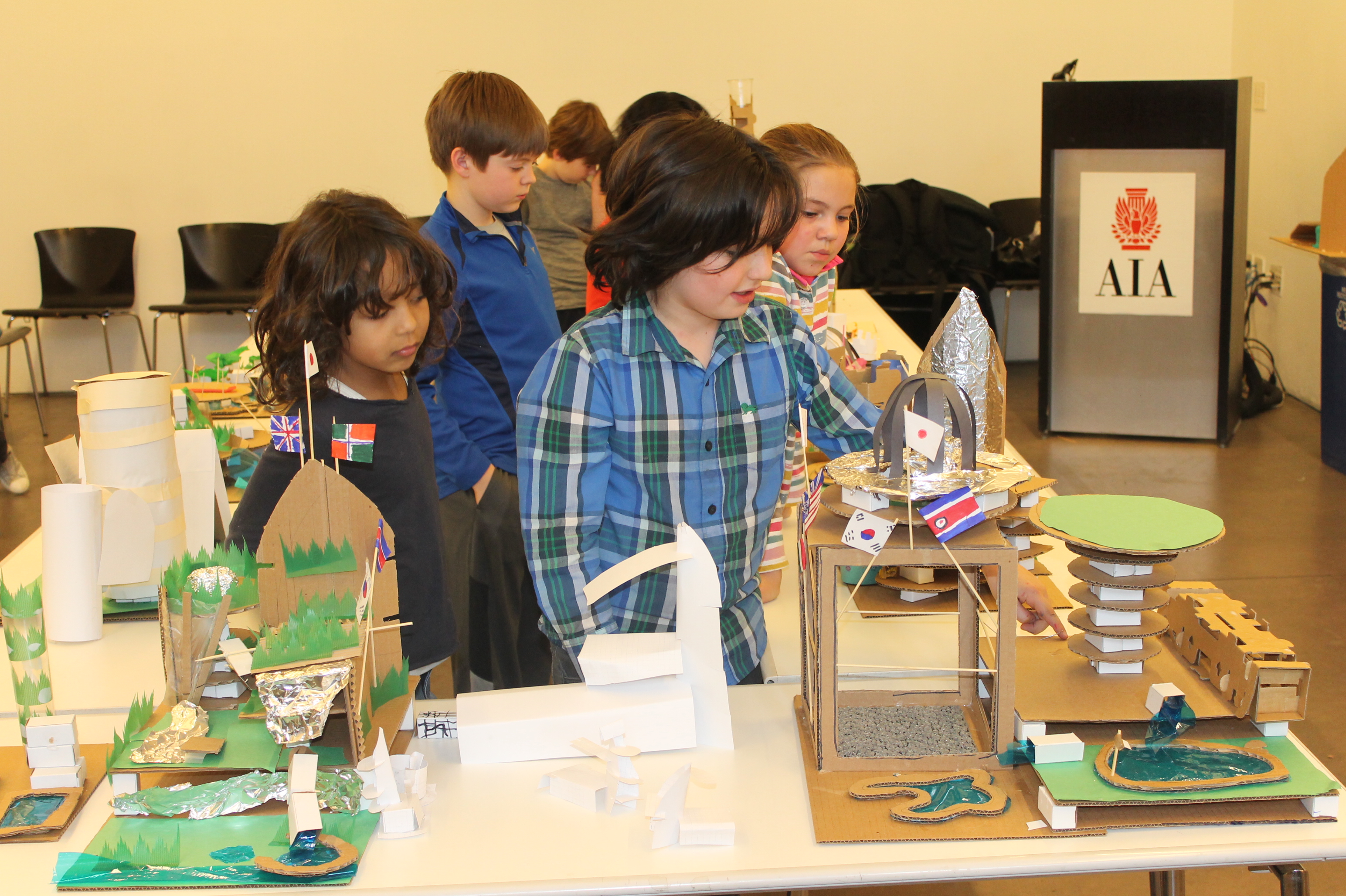
Over a decade has passed since New York City was faced with the wrenching decision of how to rebuild the World Trade Center site after 9/11. Skeptical that we would ever build tall again, the tremendous resolve demonstrated by New Yorkers laid the groundwork for what is now the third tallest building in the world – One World Trade Center. Our magnificent skyline has been restored with a tower that inspires new generations, including the students enrolled in the Center for Architecture Foundation’s Studio@theCenter. Continue reading “Towering Ambitions for Students Attending the Center for Architecture Foundation’s Studio@theCenter Programs this Spring”

CFAF Young Patrons Tour the Judd Foundation

On 03.26.14, the Center for Architecture Foundation Young Patrons Committee ushered in Spring with a tour of the Judd Foundation followed by a reception at Garis & Hahn Gallery on the Bowery. Despite the bitter cold, 40 attendees gathered in SoHo for a guided tour of the recently restored Judd Foundation at 101 Spring Street, the former home of the late artist Donald Judd and his family. The restoration of the five-story building, designed by Nicholas Whyte and completed in 1870, was led by Architecture Research Office/ARO with exterior restoration architect Walter B. Melvin Architects (the project won an Architecture Honor in the 2014 AIANY Design Awards). Continue reading “CFAF Young Patrons Tour the Judd Foundation”

Design Education: Essential or Optional?

The Center for Architecture Foundation recently hosted Chris Whitwood, a British graduate student from York St. John’s University, for a two-week international placement as part of his program in primary school education. This cross-cultural experience provided both CFAF and the student with an opportunity to compare notes on teaching and to take a fresh look at our own practices. Whitwood’s undergraduate degree in product design made him a good match for CFAF’s design-based programs, and he participated in several, including Student Day workshops for school groups visiting the Center, Learning By Design:NY in-school residency programs, and a teacher training session. Continue reading “Design Education: Essential or Optional?”

A Healthy Dose of Competition Makes Olympic Game Design a Gold Medal Winner

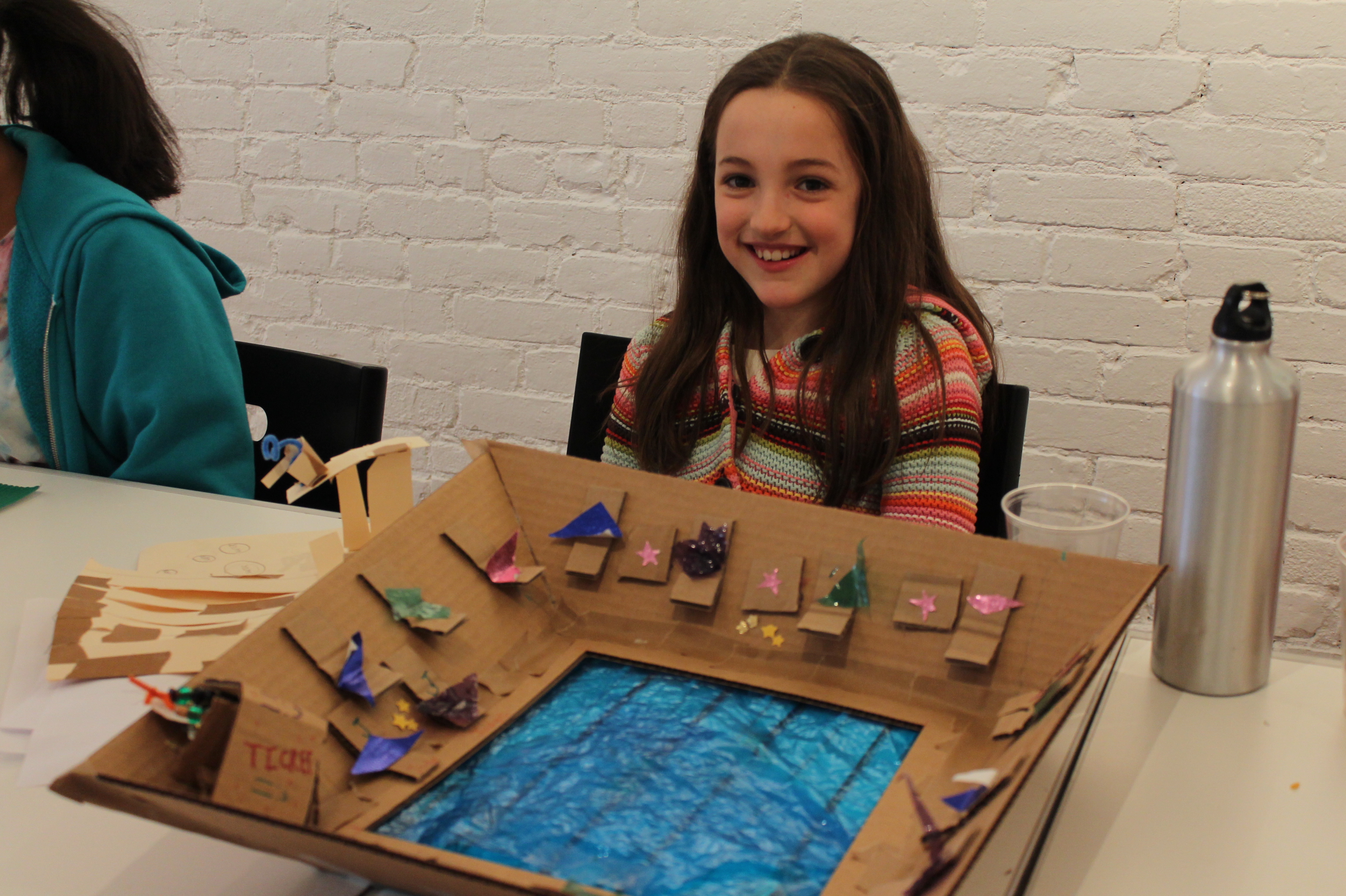
The Center for Architecture Foundation hosted its first school break program of the season 02.18-20.14. The program, titled “Olympic Game Design, coincided perfectly with the 30th Olympic Winter Games in Sochi, Russia, allowing 3rd through 7th graders to learn from the Games in real time. With a focus on garnering inspiration from an Olympic event, students learned about the design of the event’s venues – think bobsled or luge course, ski jump, ice rink or swimming pool, from either the Winter or Summer Olympics. Students then designed a model that doubled as an arcade-style game. Part of our inspiration for the program came from Caine’s Arcade, a touching short documentary about an inventive boy in Los Angeles who builds his own arcade games out of discarded boxes from his father’s auto parts dealership. Continue reading “A Healthy Dose of Competition Makes Olympic Game Design a Gold Medal Winner”

CFAF Young Patrons Host Supper Club at the Center

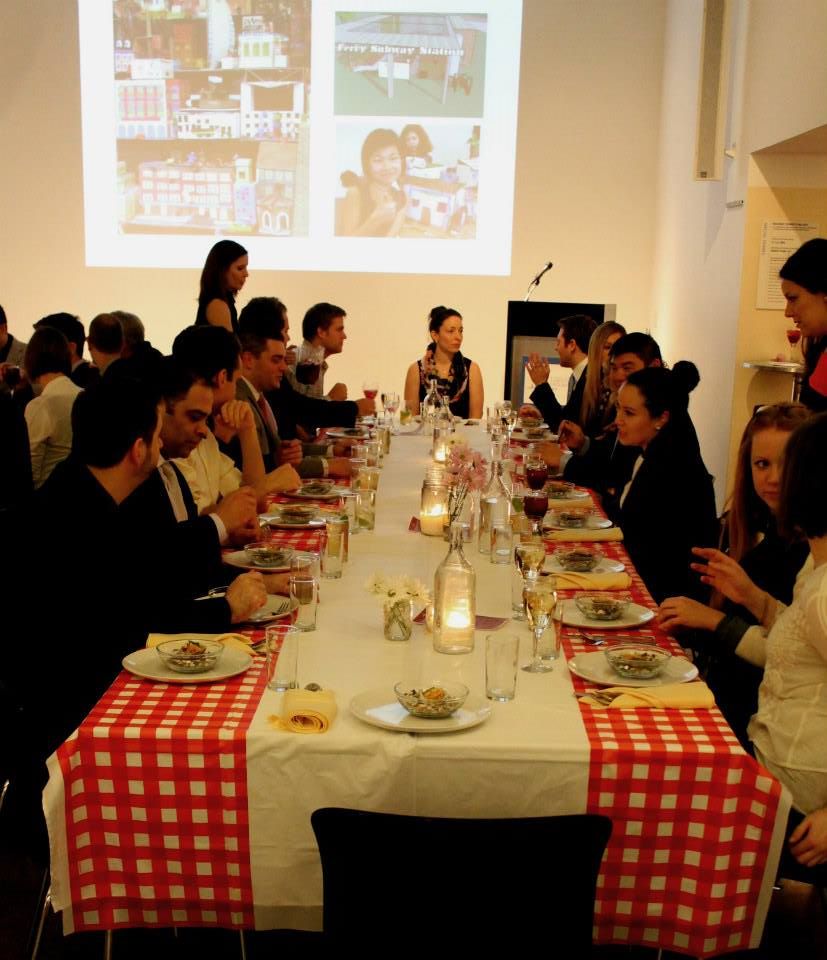
While the weather this winter has proven bitter and frightful, the atmosphere inside the Center for Architecture was warm and cozy on 02.04.14 thanks to a little Southern hospitality as the Center for Architecture Foundation’s Young Patrons Committee hosted its first Supper Club dinner party. Entitled “Bourbons and Bowties,” the event featured Southern haute-cuisine comprised of BBQ duck leg, shrimp and grits tartlets, oysters, lobster salad, boneless short ribs, stuffed quail, and a dessert of buttermilk panna cotta. The evening’s menu was powered by kitchensurfing, with catering by Warren Schierenbeck. The Supper Club’s 40 attendees represented a wide variety of creative fields including architecture, engineering, web development, set design, and graphic design. As they sipped on sangria and the Deveraux, the night’s signature cocktail served up in Mason jars, guests mingled in the HLW and KPF galleries, where “Building Connections,” CFAF’s annual exhibition of K-12 student design work, is on view. Continue reading “CFAF Young Patrons Host Supper Club at the Center”

Young New Yorkers Learn About City History Through its Architecture

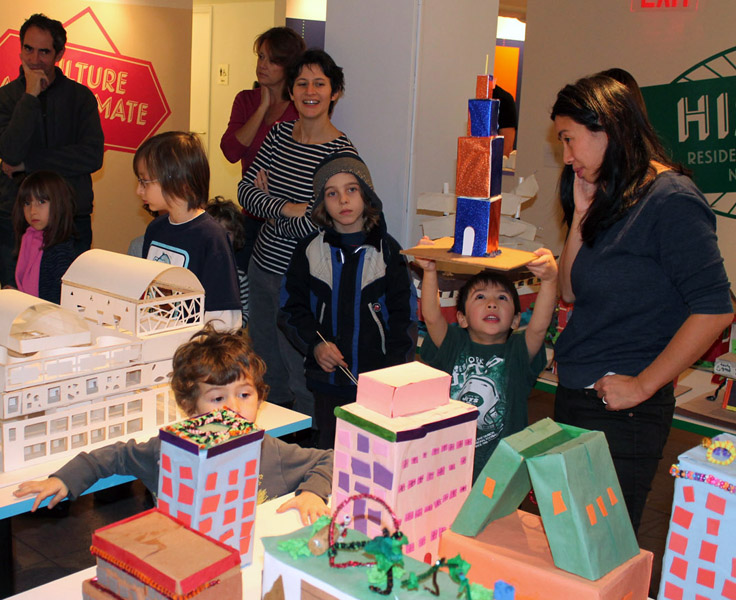
Second-graders at PS 199 on Manhattan’s Upper West Side had an opportunity to teach their parents about the city’s history at the culminating celebration of their Learning By Design:NY program on New York City’s residential architecture. More than 130 students proudly presented their models of residential buildings, documenting 400 years of city history as told through changes in our residential architecture. Students toured admiring parents and siblings through this architectural timeline, which began with Native American longhouses and ended with today’s high-rise apartments. Other key stops along the way included Dutch farm houses, British colonial houses, country estates, row houses, tenement apartments, suburban-style houses that define many neighborhoods in the city’s outer boroughs, and turn-of-the-century apartment houses. Students pointed out how changes in building materials, size, and architectural details showed which buildings came later in the city’s history. Continue reading “Young New Yorkers Learn About City History Through its Architecture”

Announcing the Winners of the 2013 Stewardson Keefe LeBrun Travel Grant

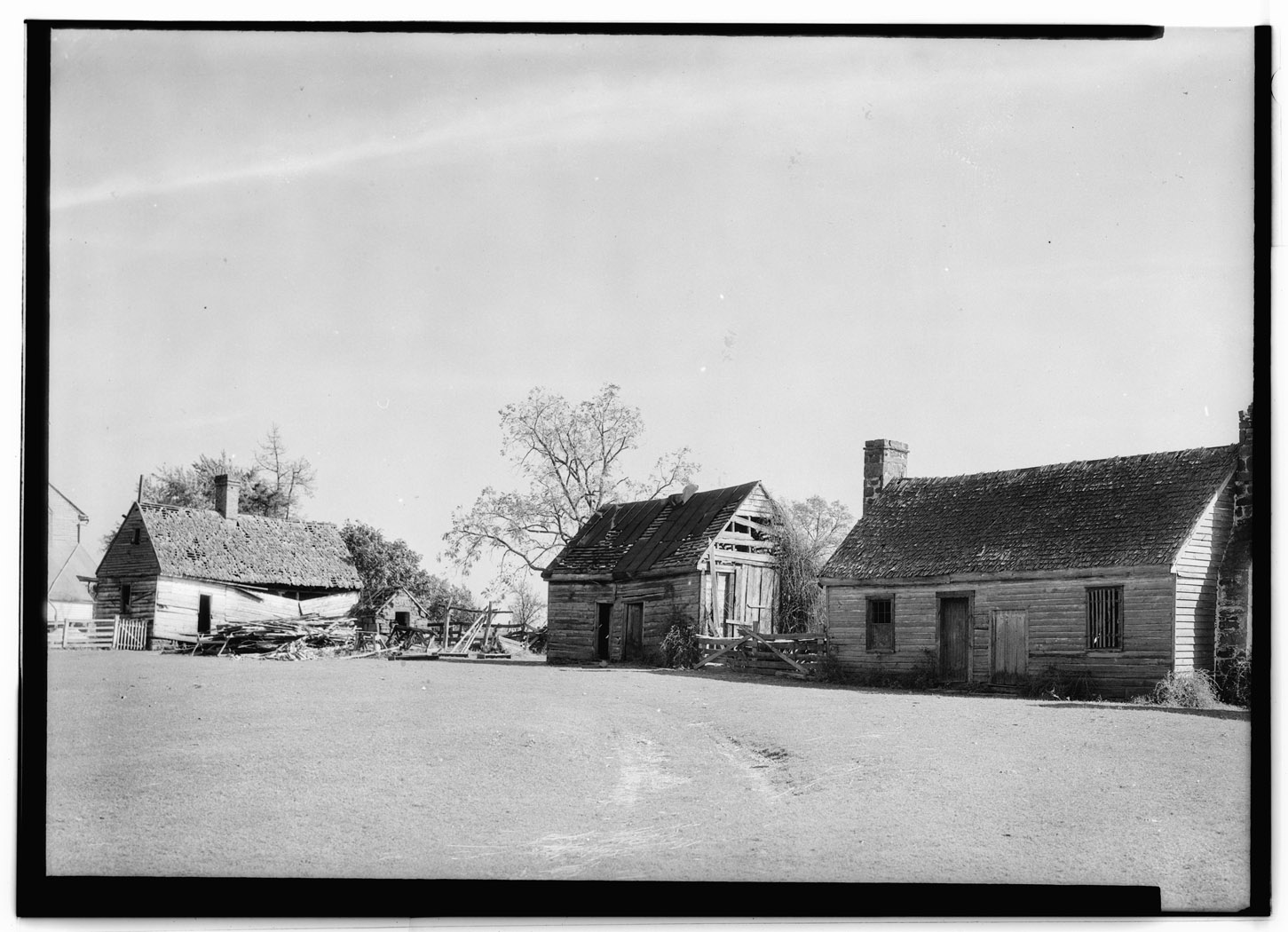
The Center for Architecture Foundation and AIA New York Chapter are pleased to announce the winners of the 2013 Stewardson Keefe LeBrun Travel Grant. The purpose of the grant, awarded annually, is to further the personal and professional development of an architect in early or mid-career through travel. The 2013 grant recipients John Paul Rysavy and Jobie Hill highlight the diversity of proposals submitted – from architectural history to historic preservation. Rysavy’s application, entitled “Practices of Ornament in the Making of Public Space,” seeks to unpack the correlation between the works of the Baroque architect, Francesco Borromini and Viennese Modernist, Adolf Loos. Hill’s project, “Slave House Database,” will serve as a “central repository of information” that will benefit researchers and organizations, as well as descendants and individuals, and ensures that “irreplaceable pieces of history are not forever lost.” Continue reading “Announcing the Winners of the 2013 Stewardson Keefe LeBrun Travel Grant”

Exhibitions Take Center Stage at Recent FamilyDay@theCenter Programs

With the close of another calendar year and 2014 just begun, there’s no better time to reflect back on our final youth and family programs in November and December of 2013. Using two exhibitions currently on view at the Center for Architecture as a launching pad, families created their own take on these utopian, imaginative, and even historical projects. Continue reading “Exhibitions Take Center Stage at Recent FamilyDay@theCenter Programs”

Leveraging Tight Resources in Developing Nations’ Schools

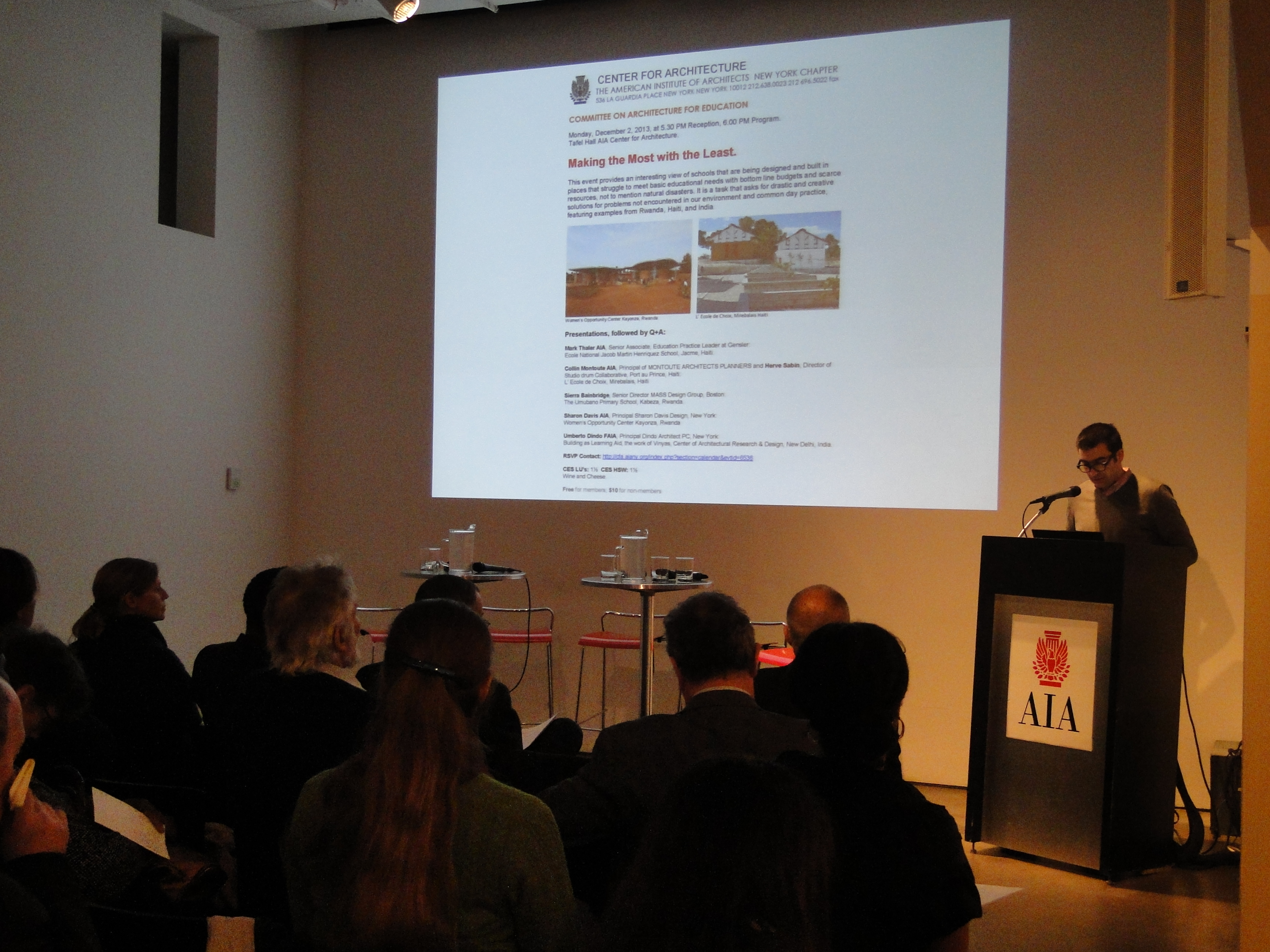
If the destruction that Superstorm Sandy inflicted on the New York region tested our resilience, imagine the challenges a natural disaster can impose on a place where material resources are many orders of magnitude smaller. Haiti, according to Gensler’s Mark Thaler, AIA, ranks 145th among 169 countries on the United Nations’ Human Development Index. The earthquake of 2010 revealed the fragility of both its physical infrastructure and its social systems, causing problems on a scale beyond anything most of us can imagine. Some 1.5 million people became homeless, Thaler reports; 86% of the residents of Port-au-Prince have been living in slum conditions; more than 100,000 buildings, including 4,000 schools, were destroyed. What can design accomplish, one may ask, when such devastation is overlaid on a foundation of poverty? Continue reading “Leveraging Tight Resources in Developing Nations’ Schools”