Back to the Future with Low-Rise, High-Density Housing

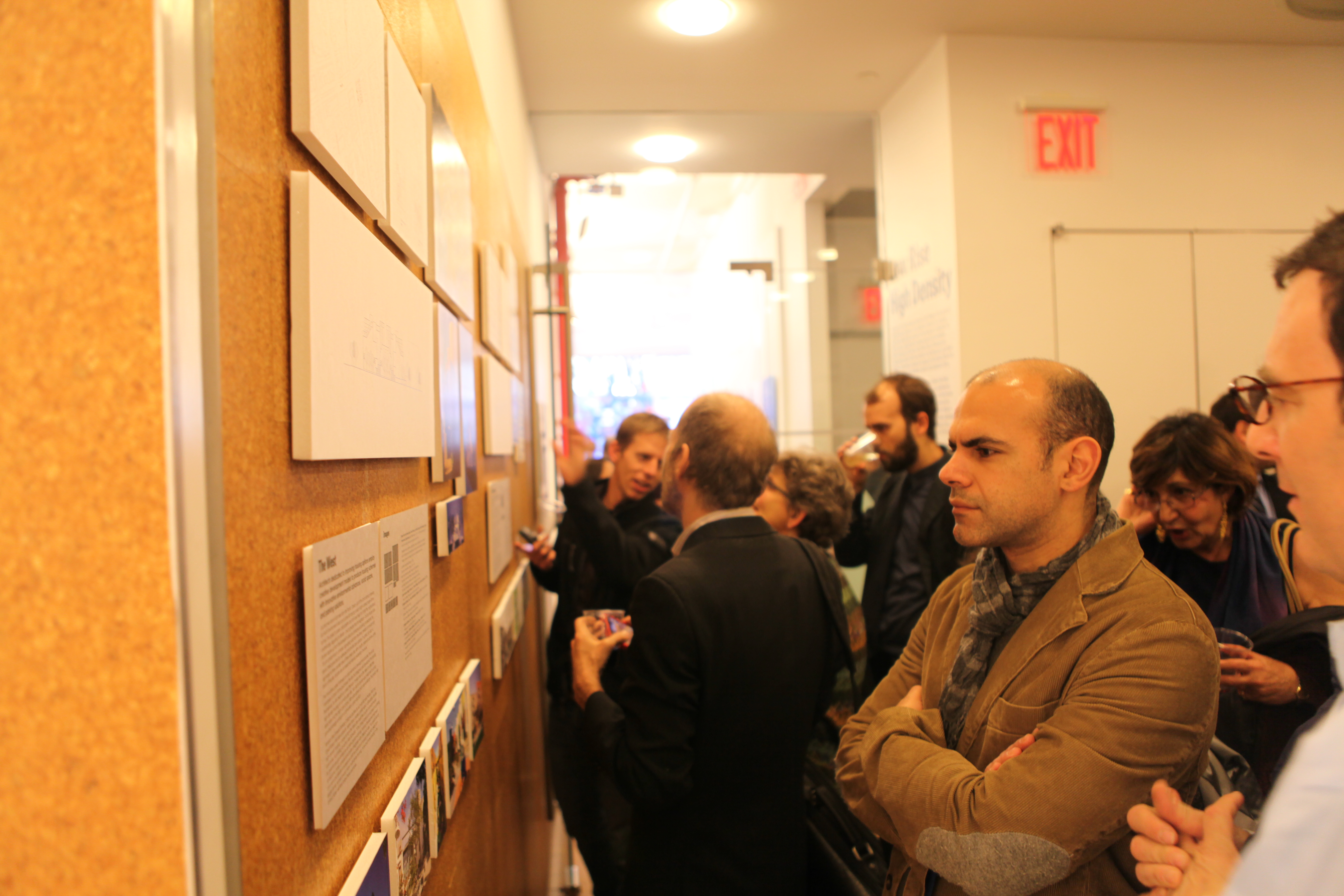
“I hope this exhibition gets people talking more about a housing type that’s built a lot but not discussed very much, so we can have better housing in the United States,” says Karen Kubey, executive director of the Institute for Public Architecture and curator of  “Low Rise High Density,” currently on view at the Center for Architecture.

The exhibition, which opened 04.25.13, spotlights its namesake housing model, which is defined as low enough to not require an elevator (about 4 stories) and dense enough to support public transportation (at least 20 units an acre). Continue reading “Back to the Future with Low-Rise, High-Density Housing”
If Not Now, When? Well, How About Here?

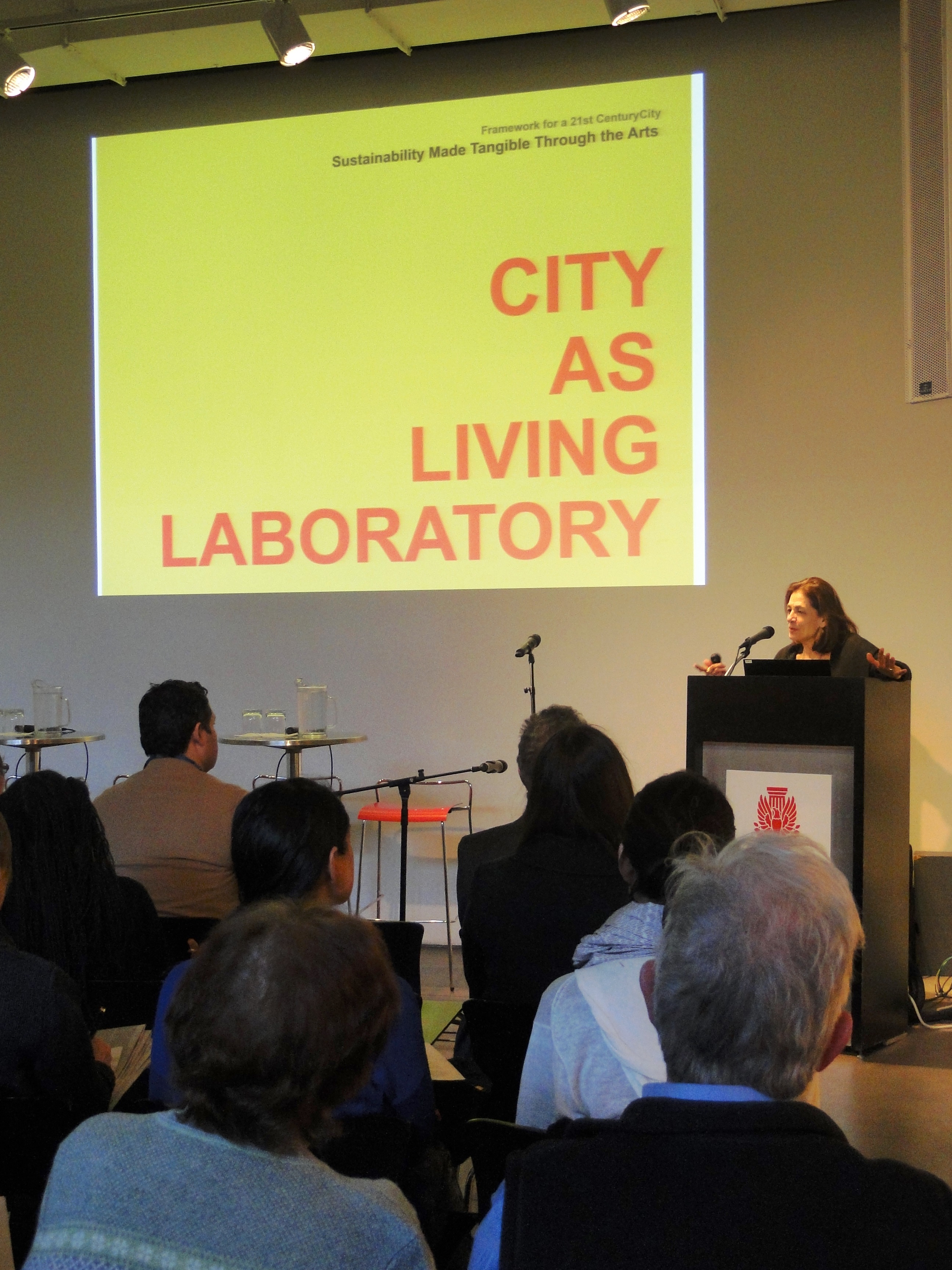
Interdisciplinary exchange is a natural way of working among architects and allied design professionals, but in many realms it represents more of an ideal than a reality. Addressing the broad question of how artists and scientists can join forces to enhance public awareness of environmental imperatives, a panel representing the visual and performing arts, climate science, and interactive media design drew attention to the practical challenges as well as the possibilities. The exhibition “Broadway: 1000 Steps” by Mary Miss/City as Living Laboratory, which was recently on view in the Center for Architecture’s Margaret Helfand Gallery, offered credible visions of how art and design can transform Manhattan’s most fabled avenue into a “green corridor” of informative, colorful street-level projects organized in up to 20 hubs along its 14 miles. This and related efforts, both realized and hypothetical, allowed the panelists to anchor their discussions in specific test cases. Continue reading “If Not Now, When? Well, How About Here?”

Oculus Book Review: Marvin Mass’ “The Invisible Architect”

The Invisible Architect
Marvin Mass, PE with Janet Adams Strong, Ph.D
Piloti Press for Cosentini Associates, a TetraTech Company, 2012

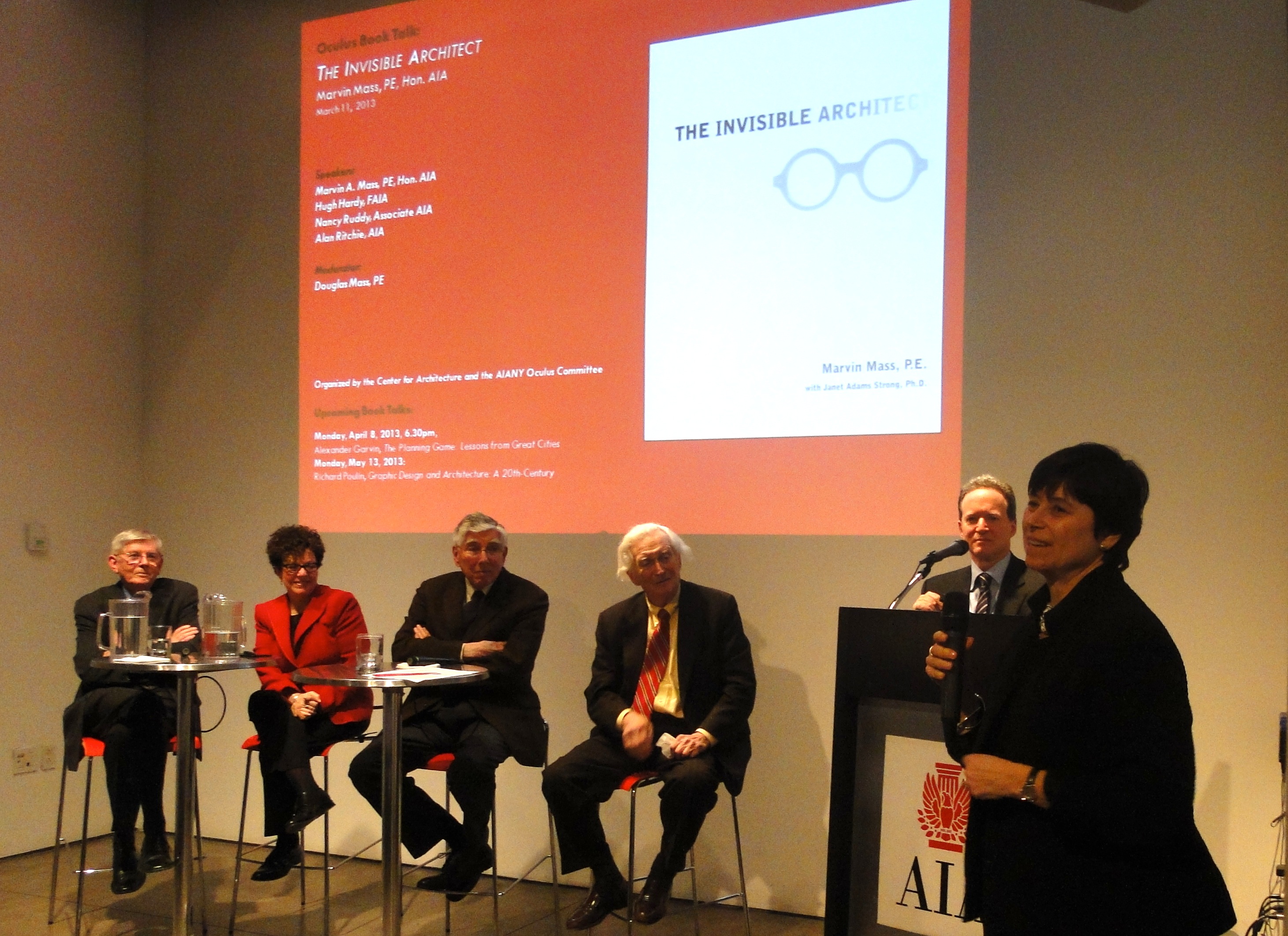
In 1989, when Marvin Mass, PE, received the Franklin Institute’s Frank P. Brown Medal that honors “innovation and leadership in meritorious improvement in the building and allied industries,” Mass stated: “A building has more than a skin and bones; it also has a heart, veins, and nerves. They must all function together.”

This concept is at the heart of The Invisible Architect, a book that gives an intimate look at the dance between architecture and engineering in some of our country’s most notable buildings. Continue reading “Oculus Book Review: Marvin Mass’ “The Invisible Architect””

Oculus Quick Take: John Belle, FAIA

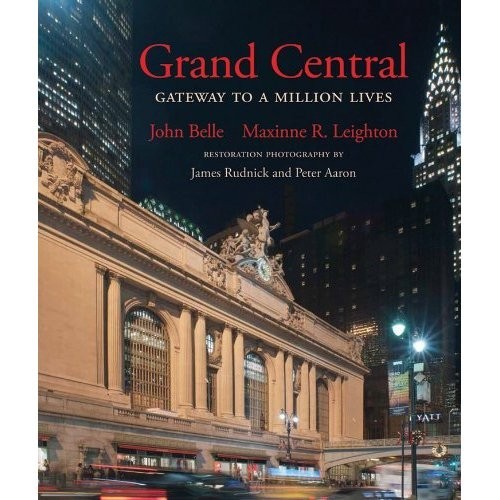
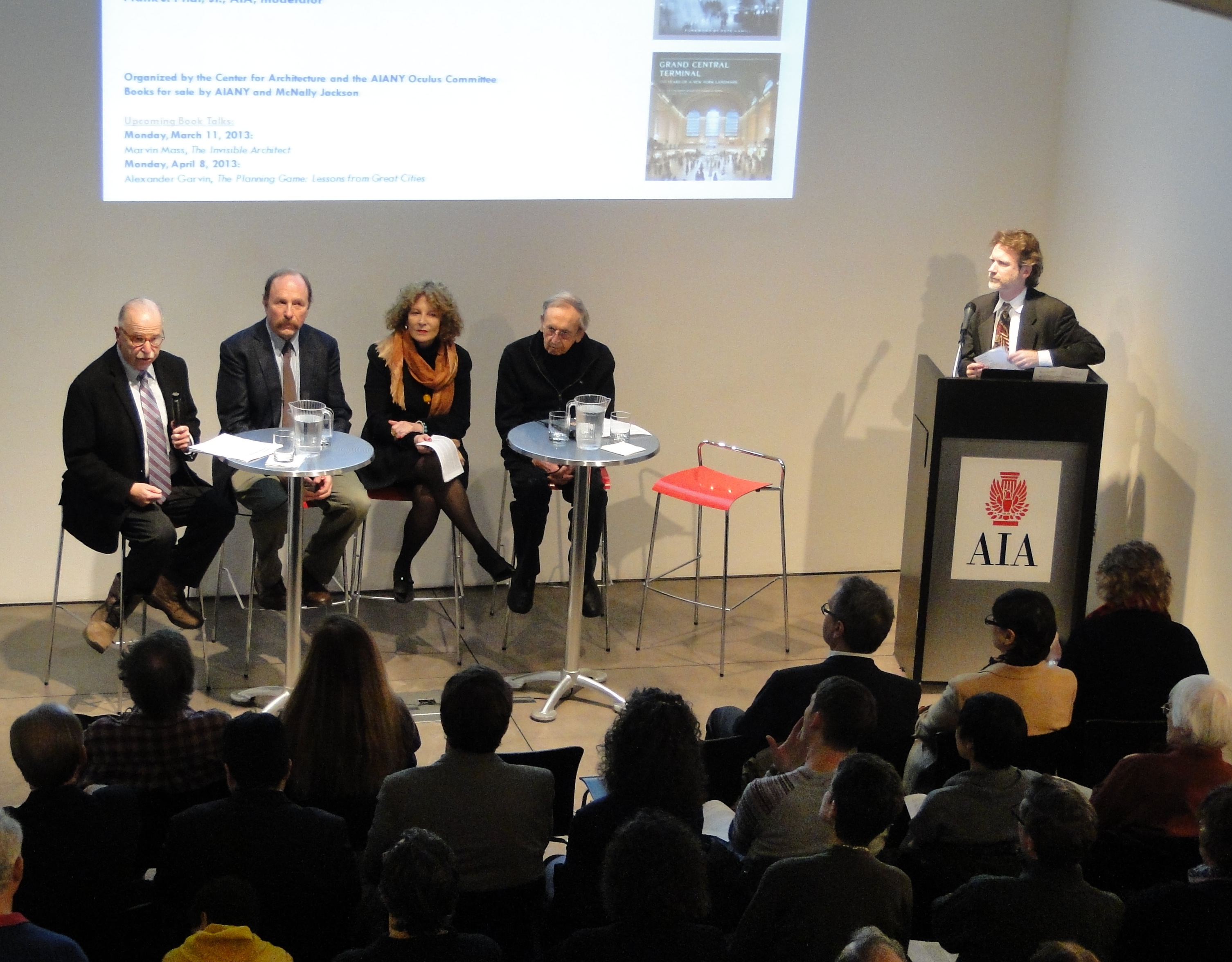
To celebrate Grand Central Terminal’s centennial, on 02.13.13, Miguel Angel Baltierra, Assoc. AIA, LEED AP, interviewed John Belle (FAIA, RIBA, and Hon. PhD) on his book Grand Central: Gateway to a Million Lives, written with Maxinne R. Leighton, Assoc. AIA, and  published by W. W. Norton & Company; Updated Edition edition (December 7, 2012). Listen to the interview, which took place just after the Oculus Book Talk on 02.11.13. Continue reading “Oculus Quick Take: John Belle, FAIA”

Oculus Book Review: Grand Central Terminal Centennial

Popular culture has grown increasingly more defined by names with celebrity status and punctuated in the media and the arts by gratuitous repetition. There is, however, one international icon that stands in defiance of that notion. At 100 years of age (yes, it has had “work done”), Grand Central Terminal is a name so recognizable that even though its surname was changed three times (Depot to Station to Terminal), the first name – Grand – has always remained intact. Not only is this luminary a building, but, similar to many New Yorkers, it has battled survival in tough economic times and developed the facility of reinvention. Continue reading “Oculus Book Review: Grand Central Terminal Centennial”

Oculus Quick Take: “FIT: An Architect’s Manifesto”

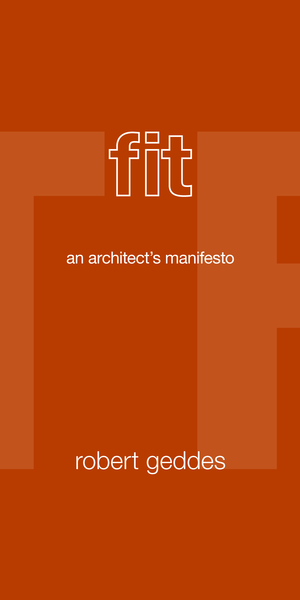
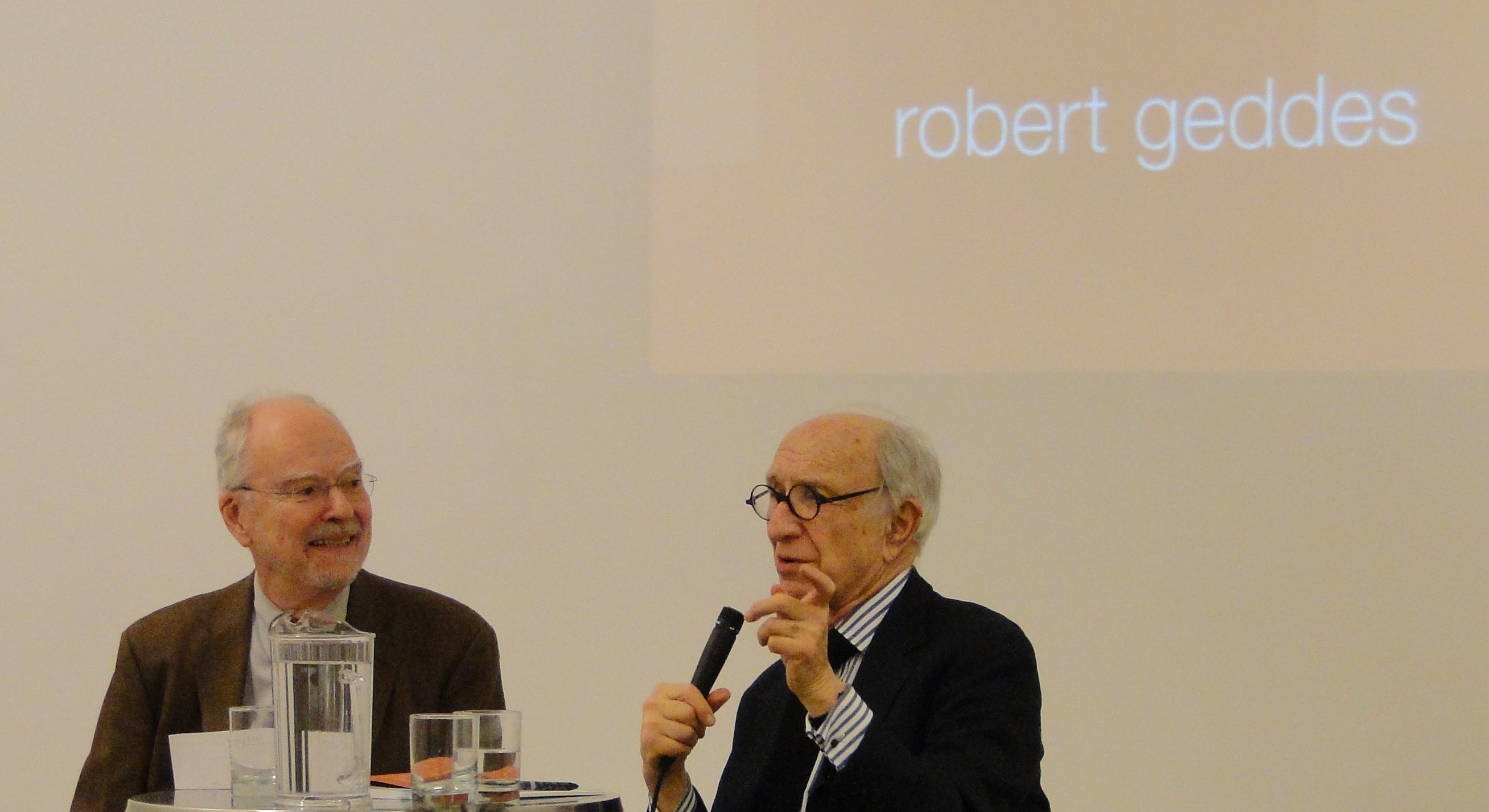
On 01.14.13, Miguel Angel Baltierra, Assoc. AIA, LEED AP, interviewed Robert Geddes, FAIA, the longtime Princeton professor and author of FIT: An Architect’s Manifesto, published by Princeton University Press. Listen to the interview, which took place just prior to his Oculus Book Talk. Continue reading “Oculus Quick Take: “FIT: An Architect’s Manifesto””

The Clean, Green Path to Urban Recovery

Awaken a New Yorker in the middle of the night and ask what the name Copenhagen brings to mind: the answer will probably be bikes. Yet its enthusiastic embrace of cycling is just one of many ways the Danish capital is a model for other cities’ efforts to increase sustainability and resilience. Continue reading “The Clean, Green Path to Urban Recovery”

Oculus Book Review: “FIT: An Architect’s Manifesto”

FIT: An Architect’s Manifesto
Robert Geddes, FAIA
Princeton University Press, 2013

As 2012 drew to a close, conversations at the Center for Architecture were ever more focused two topics. One was the impact of design within the context of public space. The other was how rising sea levels and climate change would impact how we design and protect our vulnerable coastal communities. With this in mind, I cannot imagine a more perfect way to begin the 2013 Oculus Book Talk series than with FIT: An Architect’s Manifesto by the esteemed urbanist, architect, and professor Robert Geddes, FAIA. Continue reading “Oculus Book Review: “FIT: An Architect’s Manifesto””

Students Propose Solutions to Rapid Urbanization

AECOM hosts an annual international competition called Urban SOS and invites teams of students from a variety of disciplines to tackle the topic of urban sites in distress. This year’s theme “Frontier Cities” called for solutions for cities in a border or edge condition, whether in the physical, political, cultural, ecological, or economic sense. “At AECOM, we’re obsessed with cites,” explained Bill Hanway, AIA, Executive Vice President, Buildings + Places, and this competition seeks to solve the greatest challenges of rapid urbanization from the lack of housing to infrastructure. Continue reading “Students Propose Solutions to Rapid Urbanization”

Principals and Architects Collaborate on School Design

Rescheduled due to Superstorm Sandy, a diverse audience of educators, city officials, and architects convened at the Center for Architecture on 01.07.13 to listen to three pairings of school principals and architects discuss the collaborative design process. These recently constructed New York City schools – Frank Sinatra School of the Arts, Stephen Gaynor School, and The School of Civic Leadership – all featured in the Center’s current exhibition, “The Edgeless School: Design for Learning,” are regarded as local examples of this concept.
Continue reading “Principals and Architects Collaborate on School Design”