Dekton by Cosentino: Traditional Echoes in Hyper-Performance

On Thursday 10.03.13, Archtober’s Platinum Sponsor Dekton by Cosentino celebrated the opening of its exhibition “Surface Innovation: Redefining Boundaries of Interior and Exterior Spaces at the Center for Architecture. The event marked the global launch of its latest product, Dekton, an ultra-compact, highly resistant surface that can be used on interiors and exteriors, allowing designers to rethink conventional boundaries of indoor and outdoor spaces.

“Surface Innovation,” designed by Whirlwind Creative, tracks Dekton’s development from the idea’s inception to its final production. Despite being a family-owned business, Cosentino is not a traditional, conservative-minded company. The headquarters in Almeria, Spain, boasts extensive R&D facilities, including a ceramics and glass lab, a pigments lab, and a polymer lab that actively collaborate with leading architecture, design, and engineering experts to develop materials that meet current construction demands. Continue reading “Dekton by Cosentino: Traditional Echoes in Hyper-Performance”
To Everything There is a Season…and Fall Means Archtober

The AIA New York Chapter has three main goals: design excellence, professional development, and public outreach. Archtober fulfills all three, and goes above and beyond when it comes to public outreach.

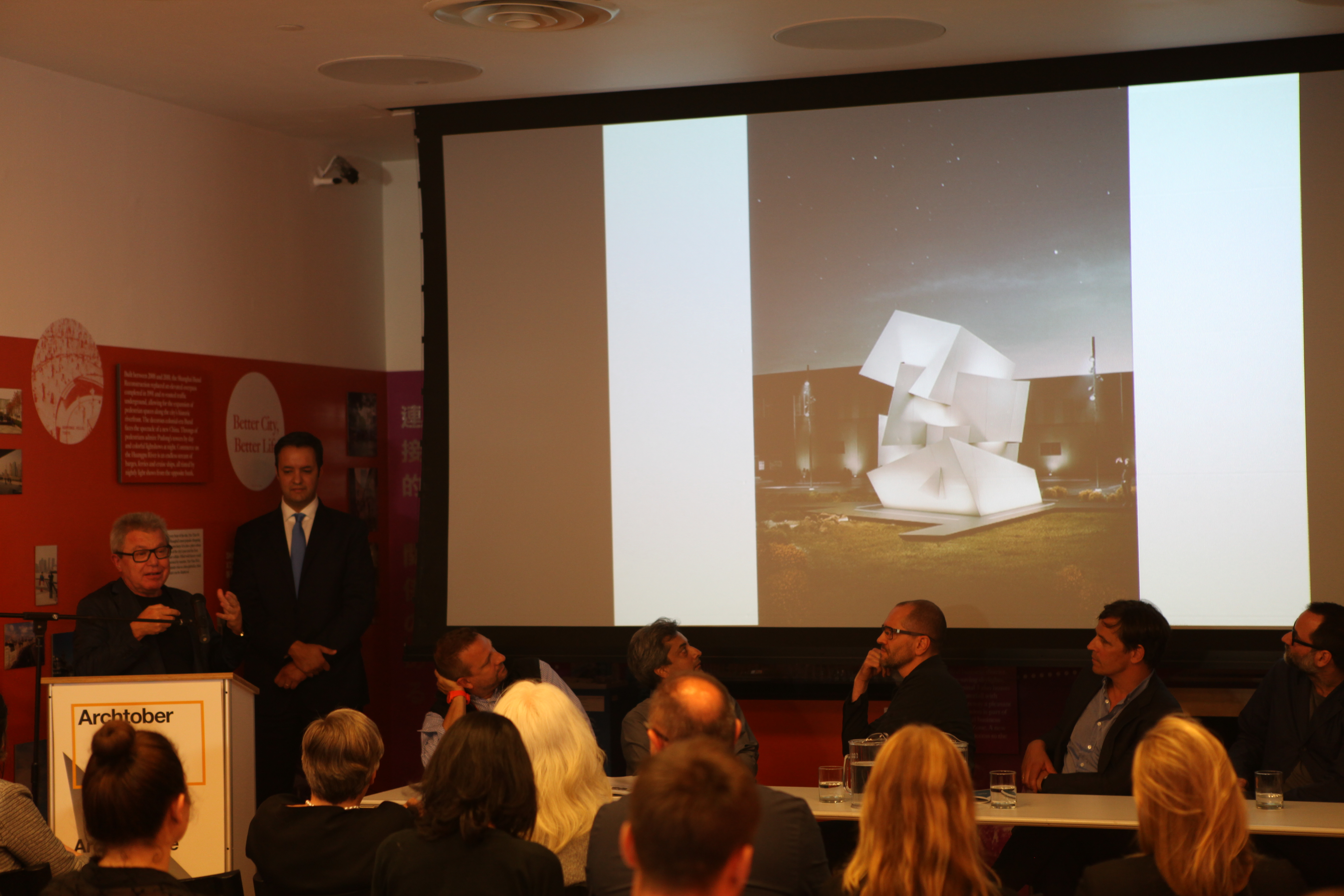
Under the aegis of the AIA New York Chapter, and via a diverse schedule of programming, Archtober is a grassroots effort, supported by 53 participating organizations and institutions – a third more than last year – that collaborate on ways to raise awareness of the role architects and designers play in creating New York City’s built environment. Continue reading “To Everything There is a Season…and Fall Means Archtober”

How the Informal City Got Its Voice Back

In a street market in Bangkok, the lives of two men – Ae, a former business manager turned earring salesman, and Niyom, a sugar cane vendor from the north – intersect as they attempt to make a living as street vendors. “I know it’s not constant, it’s not secure, my life,” says Ae, a savvy well-dressed man from a middle-class background. But to Niyom, the money he makes selling the sweet beverage means that he and his family can survive. In another part of the city, a woman and her community, evicted from their settlement, successfully lead a resettlement process that allows them to decide where and how they want to rebuild their homes. Farther away, in Accra, a group of head porters are striving to improve their lives with the help of informal savings banks.

Stories like these are the driving force behind the Informal City Dialogue, a collaborative project between the non-profit media organization Next City and the Rockefeller Foundation, an institution whose weighty influence on urbanism dates back to the 1950s, when it made a grant to a then-obscure writer named Jane Jacobs. Homing in on six cities – Accra, Bangkok, Chennai, Lima, Manila, and Nairobi – this year-long project is fostering conversations about the informal urban realm, allowing stakeholders to create narratives for their urban future and inspire positive change in their communities. Continue reading “How the Informal City Got Its Voice Back”

The Dream of Architectural Utopias, Reborn in South America/El Sueño de la Utopía Arquitectónica, Resucitado en América Latina

In English y en Español

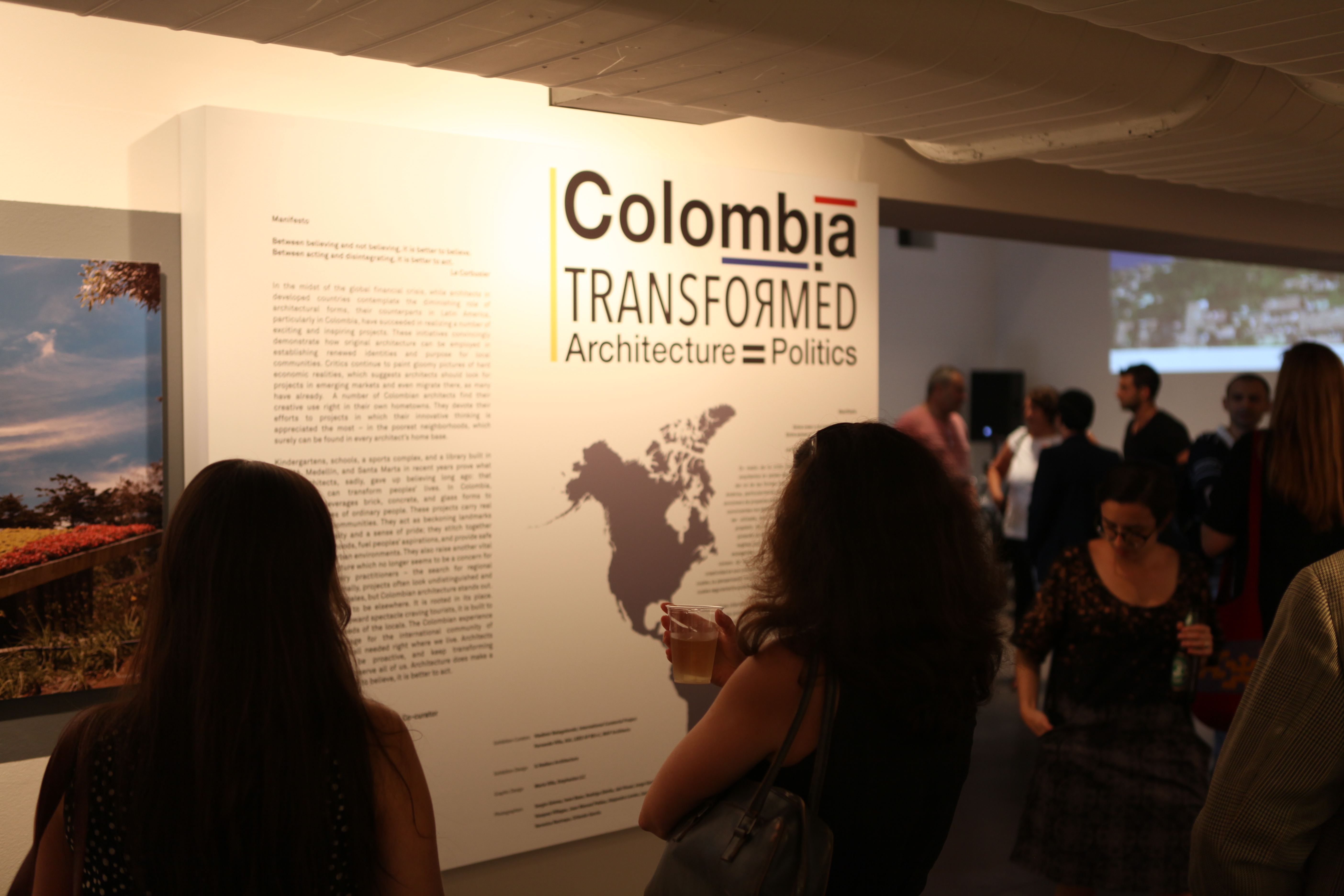
On Thursday, 07.11.13, just nine days shy of Colombian Independence Day, visitors to the Center for Architecture were treated to a preview of the celebrations during the opening of the Center’s most recent exhibition, “Colombia Transformed / Architecture = Politics.” There could not have been a better way to commemorate the country’s 203rd year of independence than by spending an evening lauding the success of Colombia’s ambitious plan to improve the quality of life in its cities through social architecture and urbanism, while listening to the energetic sounds of Colombian pop-rock sensation, Jontre.

El jueves 11 de Julio del 2013, a solo nueve días del Día de Independencia de Colombia, los visitantes al Centro de Arquitectura tuvieron la oportunidad de celebrar las fiestas patrias con anticipación durante el estreno de la exhibición “Colombia Transformada / Arquitectura = Política.” No me imagino que haya una manera más adecuada para conmemorar 203 años de independencia que pasando una noche alabando el éxito del país en mejorar la cualidad de la vida a través de proyectos de arquitectura y urbanismo, y escuchando la música de la sensación del pop-rock colombiano, Jontre.  Continue reading “The Dream of Architectural Utopias, Reborn in South America/El Sueño de la Utopía Arquitectónica, Resucitado en América Latina”

Oculus Quick Take: Raymund Ryan

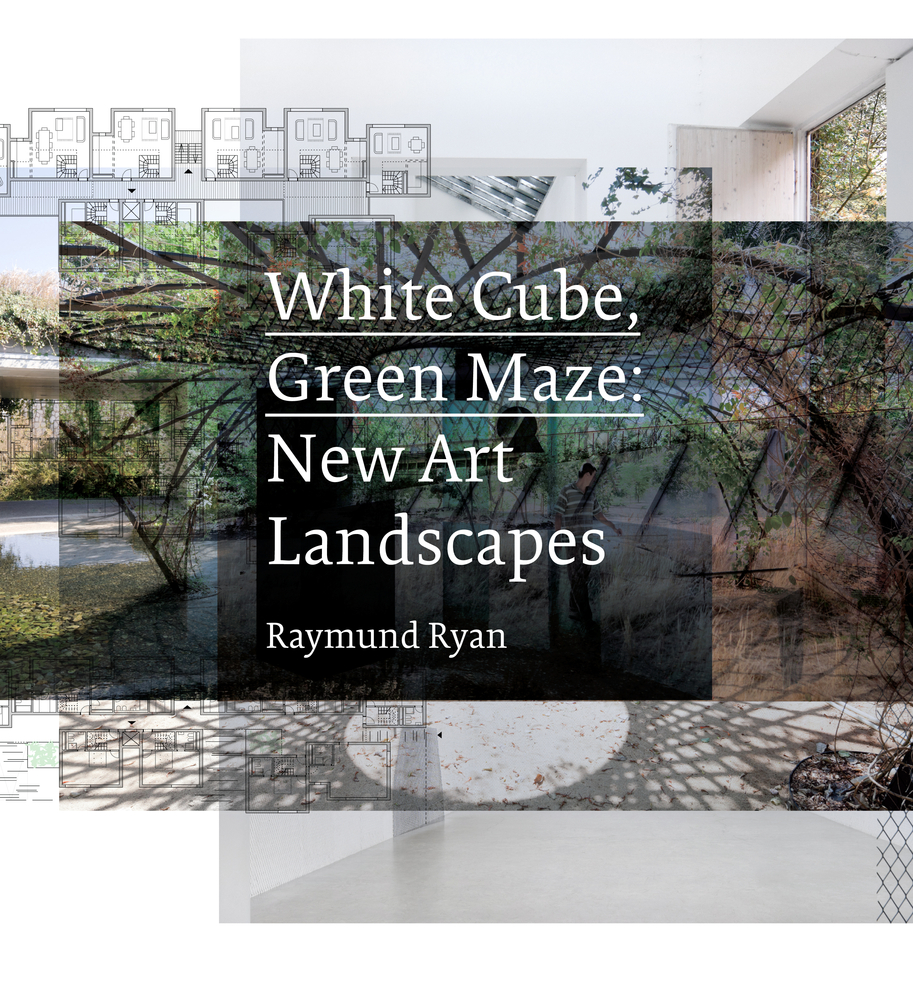
On 07.08.13, Miguel Angel Baltierra, Assoc. AIA, LEED AP, interviewed Raymund Ryan about his latest book White Cube, Green Maze: New Art Landscapes, published by University of California Press (2012) and reviewed in this issue of e-Oculus. Listen to the interview, which took place just before the Oculus Book Talk on 07.08.13. Continue reading “Oculus Quick Take: Raymund Ryan”

Oculus Book Review: “White Cube, Green Maze: New Art Landscapes” by Raymund Ryan

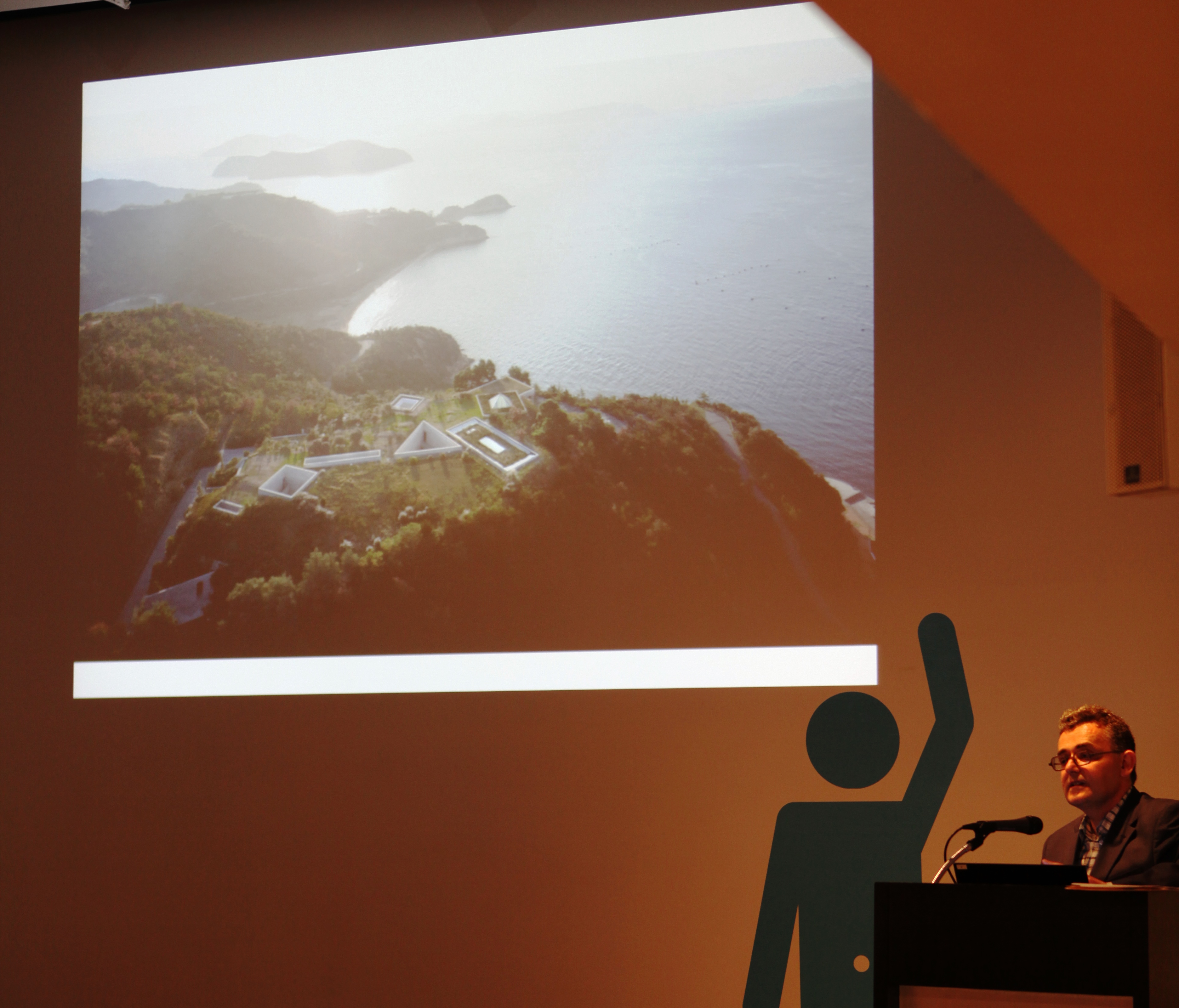
Raymund Ryan sets out to illustrate the demise of the heroic museum in his recent book White Cube, Green Maze: New Art Landscapes. As he takes us through a variety of art sites that reshape the notion of art institutions, he illustrates that pristine white galleries in a Beaux-Arts envelope are passé. His research led to an exhibition, a book, and on 07.08.13 at the Center for Architecture, an illuminating interview with Miguel Angel Baltierra, Assoc. AIA, LEED AP, and an elegant lecture. Continue reading “Oculus Book Review: “White Cube, Green Maze: New Art Landscapes” by Raymund Ryan”

Low Rise High Density Now

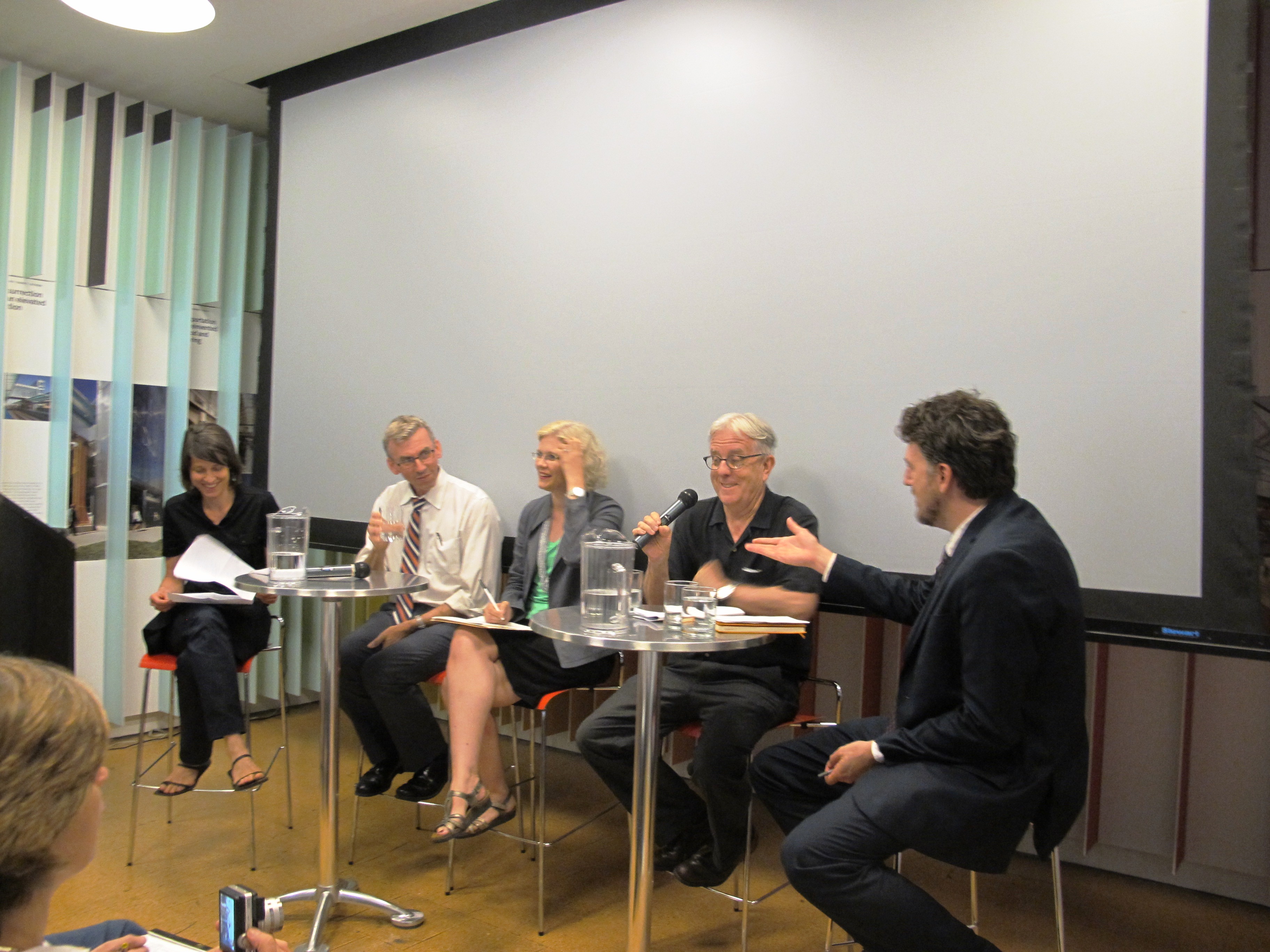
Low-rise, high-density housing – a topic much explored recently at the Center for Architecture through the just-closed exhibition “Low Rise High Density” – is characterized by being dense enough to support mass public transportation, yet squat enough to eschew elevators. The type seeks to combine the benefits of urban and suburban living by providing tenants with more privacy and ownership of their space with fewer floors per building. As the last program in a series of three public discussions on the exhibition’s rich content, “Low Rise High Density Now” garnered a full house of passionate professors, students, and practicing architects committed to solving the challenges of housing in the greater New York area. Continue reading “Low Rise High Density Now”

“FitNation” Exhibition Takes a Healthy Idea to the Next Scale

The new “FitNation” exhibition at the Center for Architecture highlights 33 projects in 18 cities that exemplify the range of creativity that active design elicits. These new and adaptive structures, ranging from low-tech, open-source interventions to major public buildings and citywide networks, are organized here according to nine terms, mostly active verbs, expressing the things they make possible (climb, connect, grassroots, graze, move, network, play, re-purpose, ride). Continue reading ““FitNation” Exhibition Takes a Healthy Idea to the Next Scale”

Examining the “Compromised Ideal”: Marcus Garvey Park Village at 40

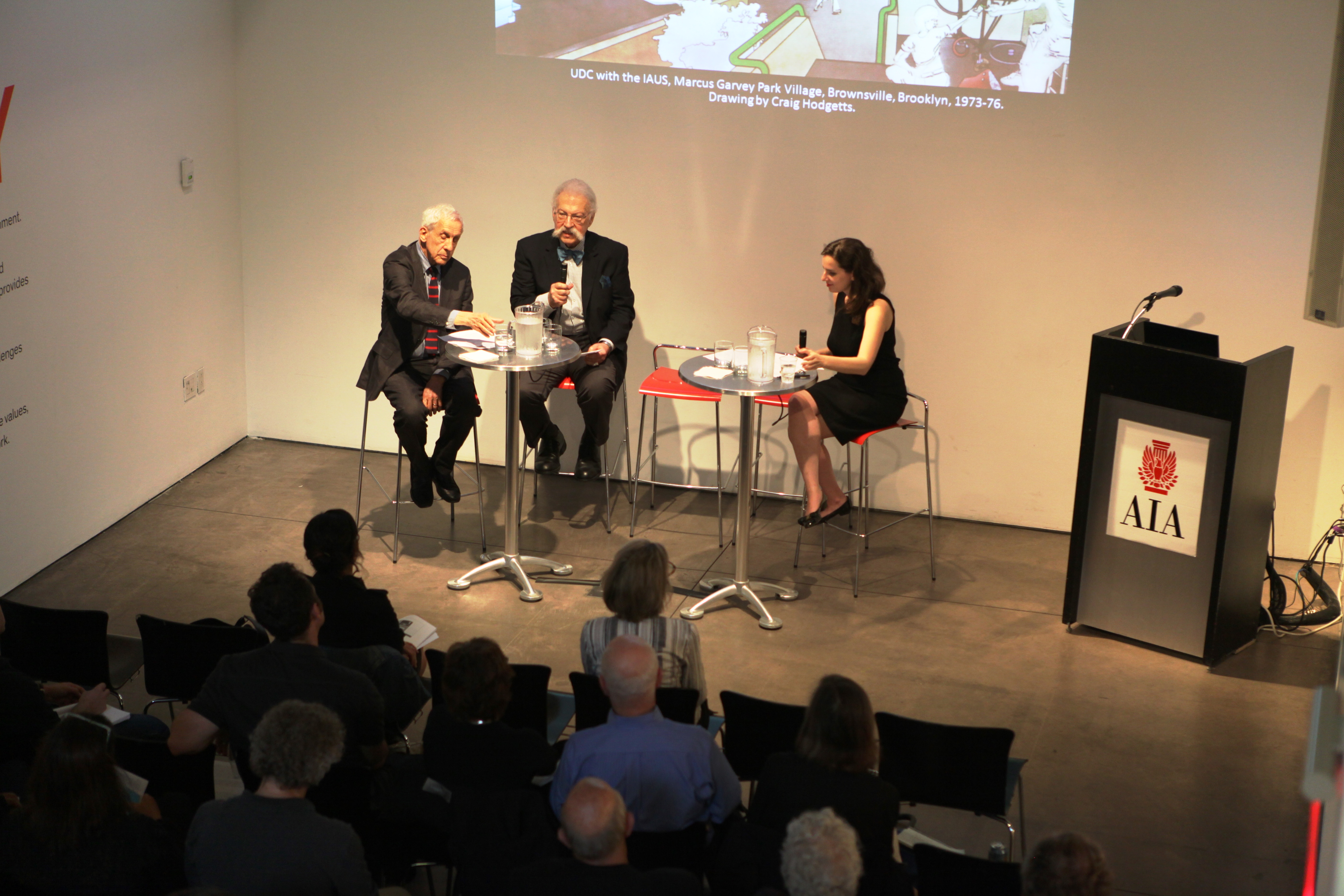
One of the Center for Architecture’s current exhibitions “Low Rise High Density” has attracted some critical dialogue around a housing typology that inspired optimistic schemes in the 1960s and ‘70s. While the exhibition displays low-rise, high-density projects in their idealized forms, the panel discussion, Marcus Garvey Park Village at 40, reassessed the seminal housing project four decades post-occupancy. After breaking ground in Brownsville, Brooklyn, in 1973 to great fanfare, Marcus Garvey today confronts a very harsh reality as a crime- and poverty-striken community. The ensuing discussion questioned the role that architecture played in this unfortunate state of affairs. Continue reading “Examining the “Compromised Ideal”: Marcus Garvey Park Village at 40”

Road Map for the Future of the City: Jill Lerner and Lance Jay Brown in Conversation

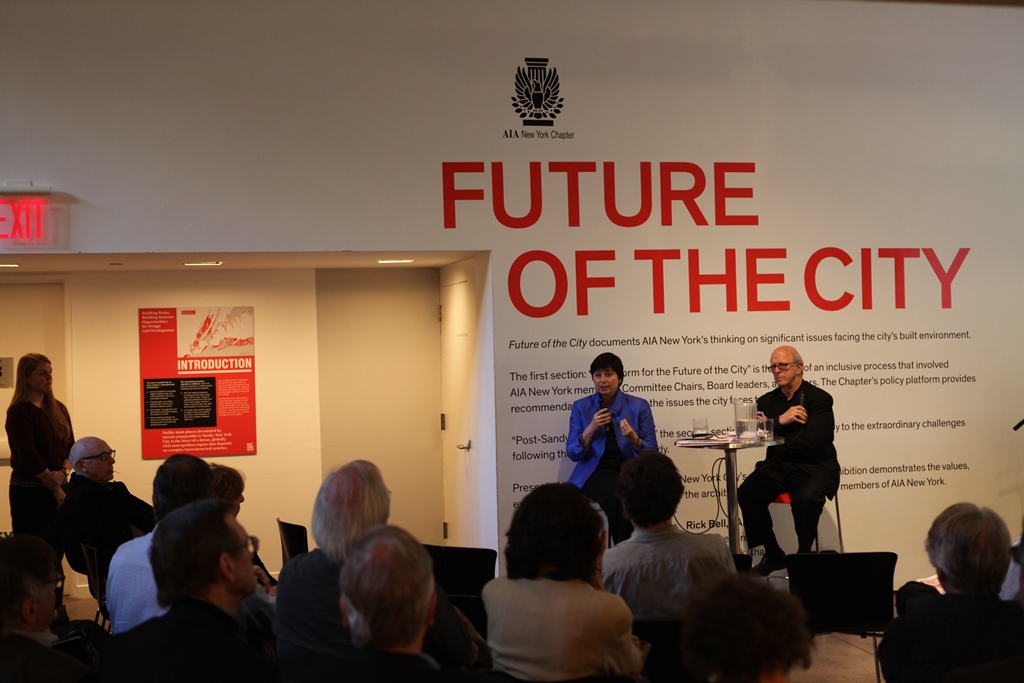
Each chair at the 05.03.13 “Future of the City” exhibition preview at the Center for Architecture – presented as a part of the IDEAS CITY Festival – was loaded with publications. A jam-packed schedule for the festival lay in between copies of AIANY’s Post-Sandy Initiative Report, along with its A Platform for the Future of the City. Continue reading “Road Map for the Future of the City: Jill Lerner and Lance Jay Brown in Conversation”