Learning from Copenhagen

As the clamoring to address climate change grows louder – just last week, the American Association for the Advancement of Science issued a straightforward, dire warning – it’s striking to compare how cities are either choosing to become greener, or not. Copenhagen has become the model of a city that’s embraced large-scale, civic green design that permeates almost every aspect of public infrastructure.

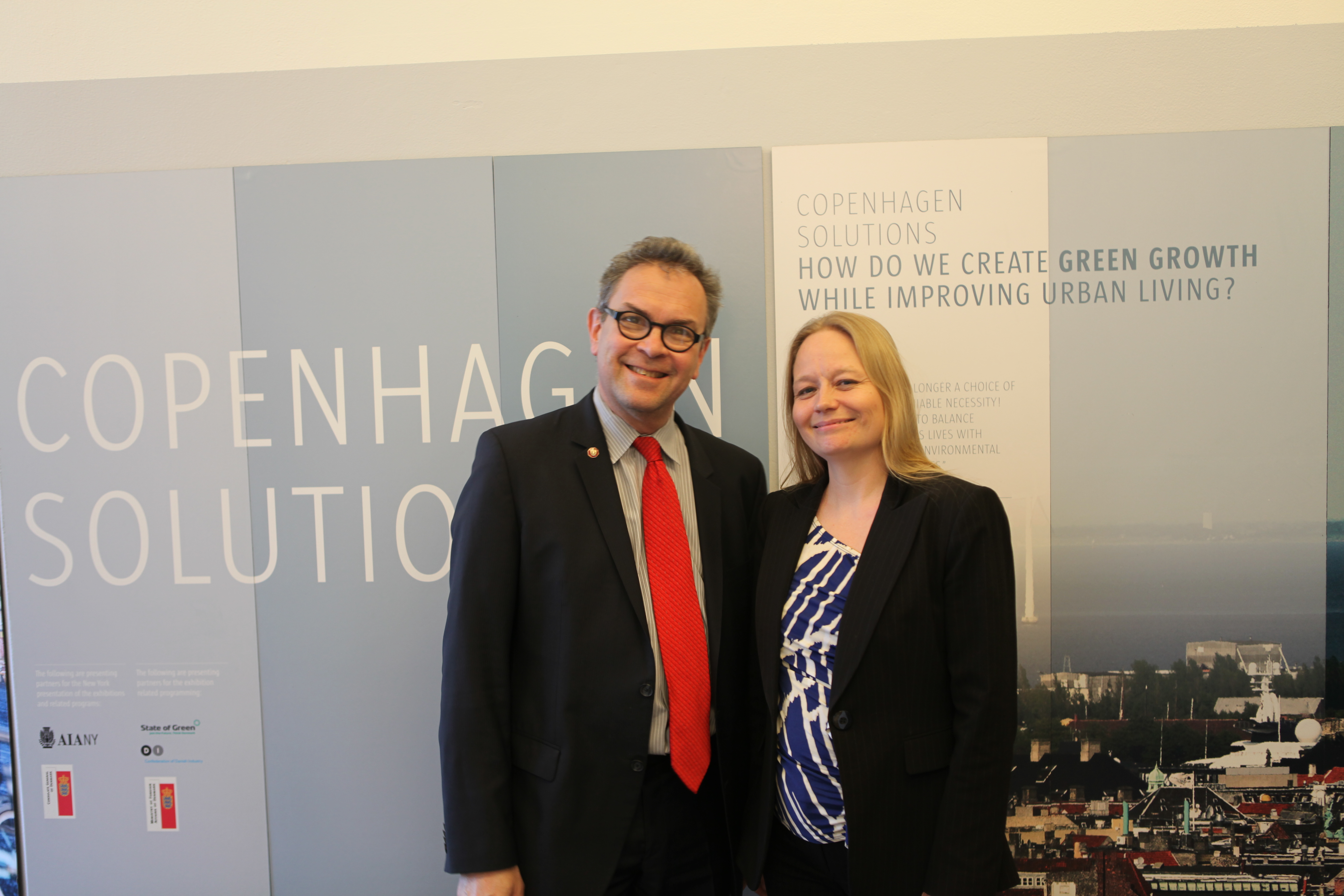
The Center for Architecture’s exhibition “Copenhagen Solutions” explores how Copenhagen came to be the world’s greenest city, and its plans to become CO2 neutral by 2025. While the city’s success has been mostly localized, it hopes that its model will trigger designs in other cities; because it is the first to take on so much, success can only be improved upon. Singapore and Hamburg, for instance, are capitalizing on Copenhagen’s bold pioneering. Continue reading “Learning from Copenhagen”
Films Behind Façades

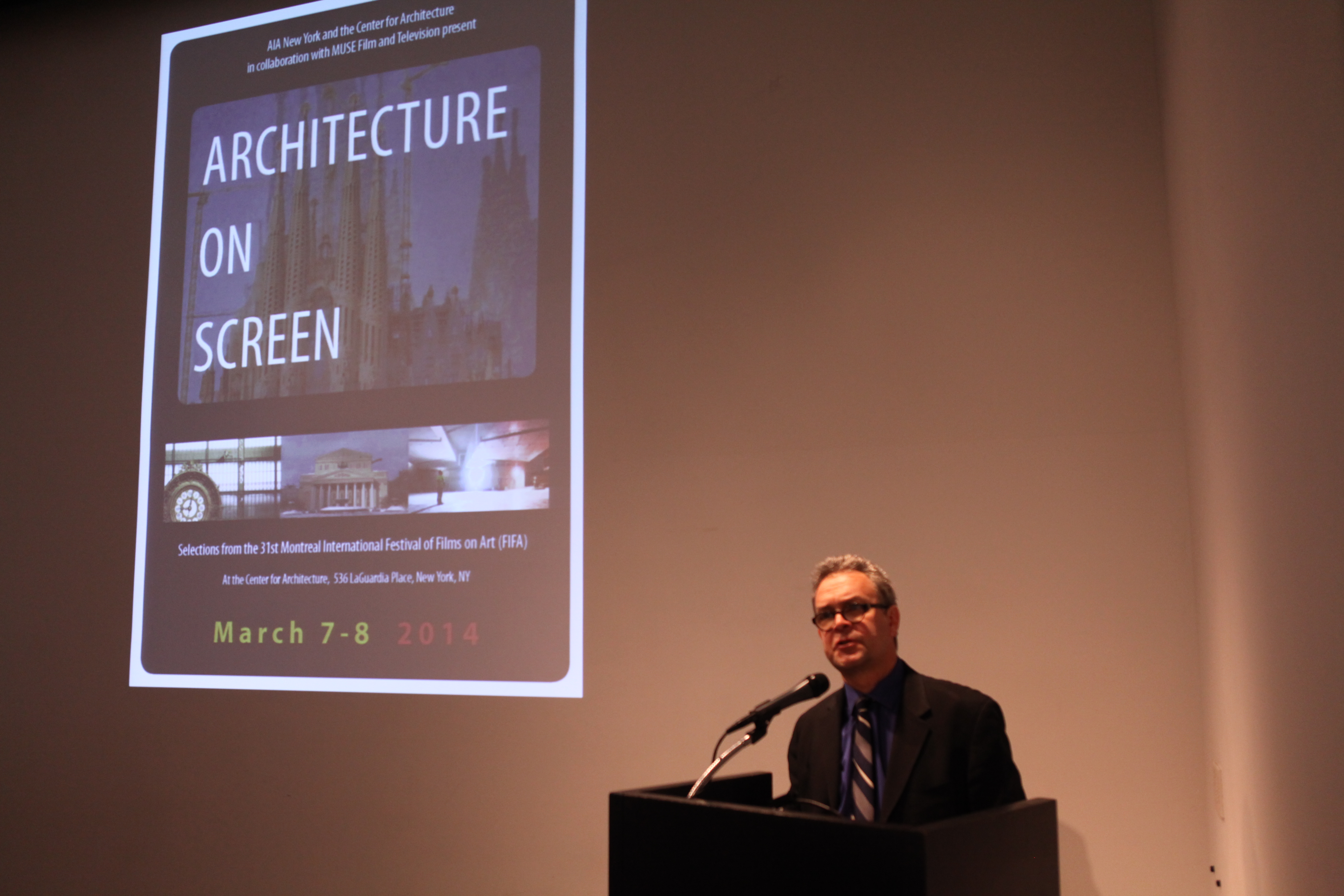
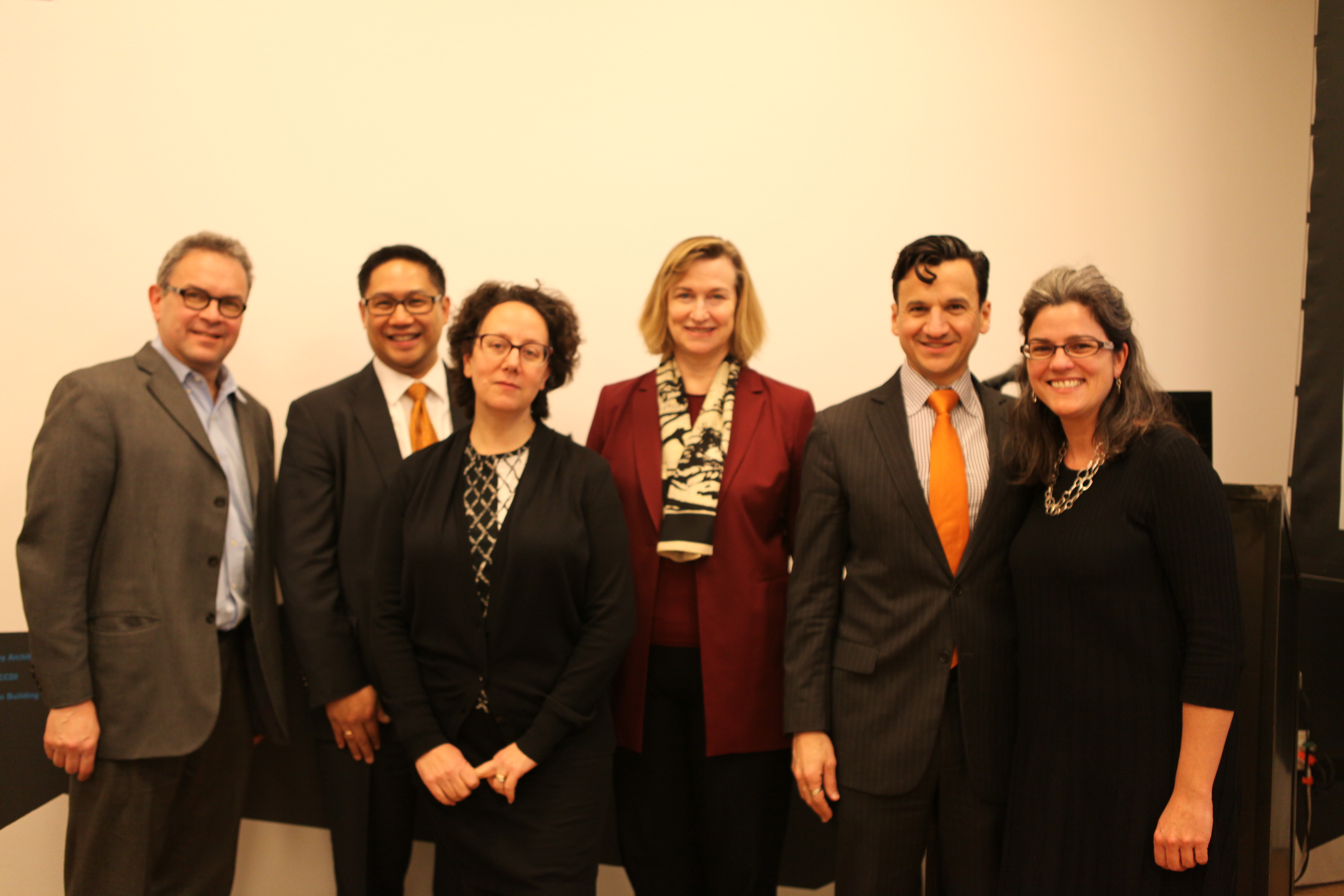
Last year, the Montreal International Festival of Films on Art (FIFA), the hotbed of international art films that it is, screened 250 films from 28 countries. This year’s “Architecture on Screen,” the fifth annual at the Center for Architecture, captured seven of those films for two days of architecture, film, and conversation. Continue reading “Films Behind Façades”

New York City Resiliency: Explorations of an Emerging Design Paradigm

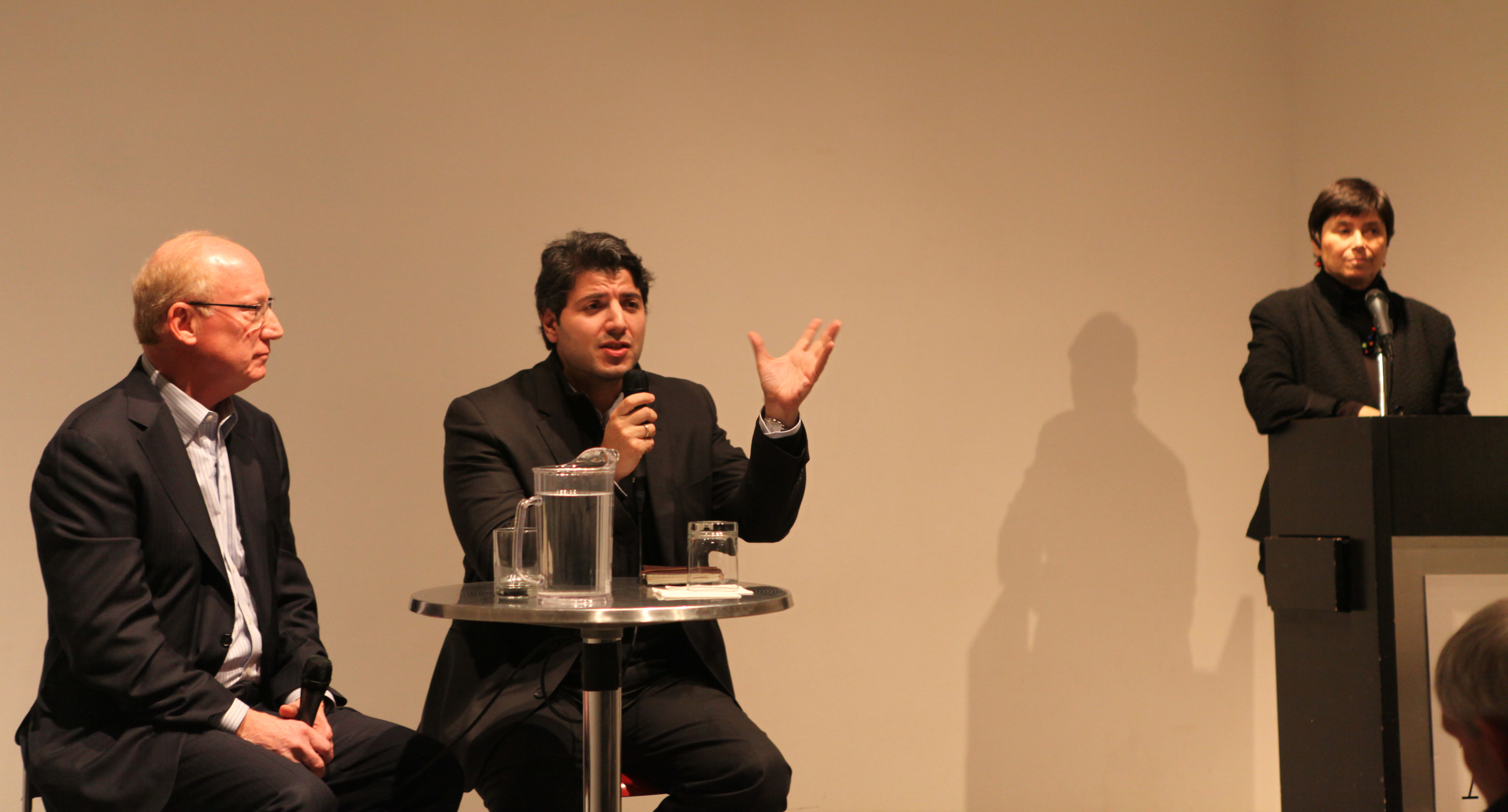
On 10.21.14, an interdisciplinary panel representing both the public and private sectors within the design community met to discuss the significance of resiliency in contemporary planning and design. Co-sponsored by the AIANY Design for Risk and Reconstruction (DfRR) and the AIANY Marketing and Communications Committees, “The 21st-Century Practice: Marketing Resiliency Planning and Design” ambitiously attempted to define an ethos which has quickly become one of New York’s central design and planning considerations. The panelists approached the concept of resiliency from a distinctly multidisciplinary focus. Focusing particularly on a New York point perspective, moderator John Fontillas, AIA, LEED AP, a partner at H3 Hardy Collaboration Architecture, sought to explore the concept of resiliency in the context of “the art of the possible.” Continue reading “New York City Resiliency: Explorations of an Emerging Design Paradigm”

Suprematism Revisited

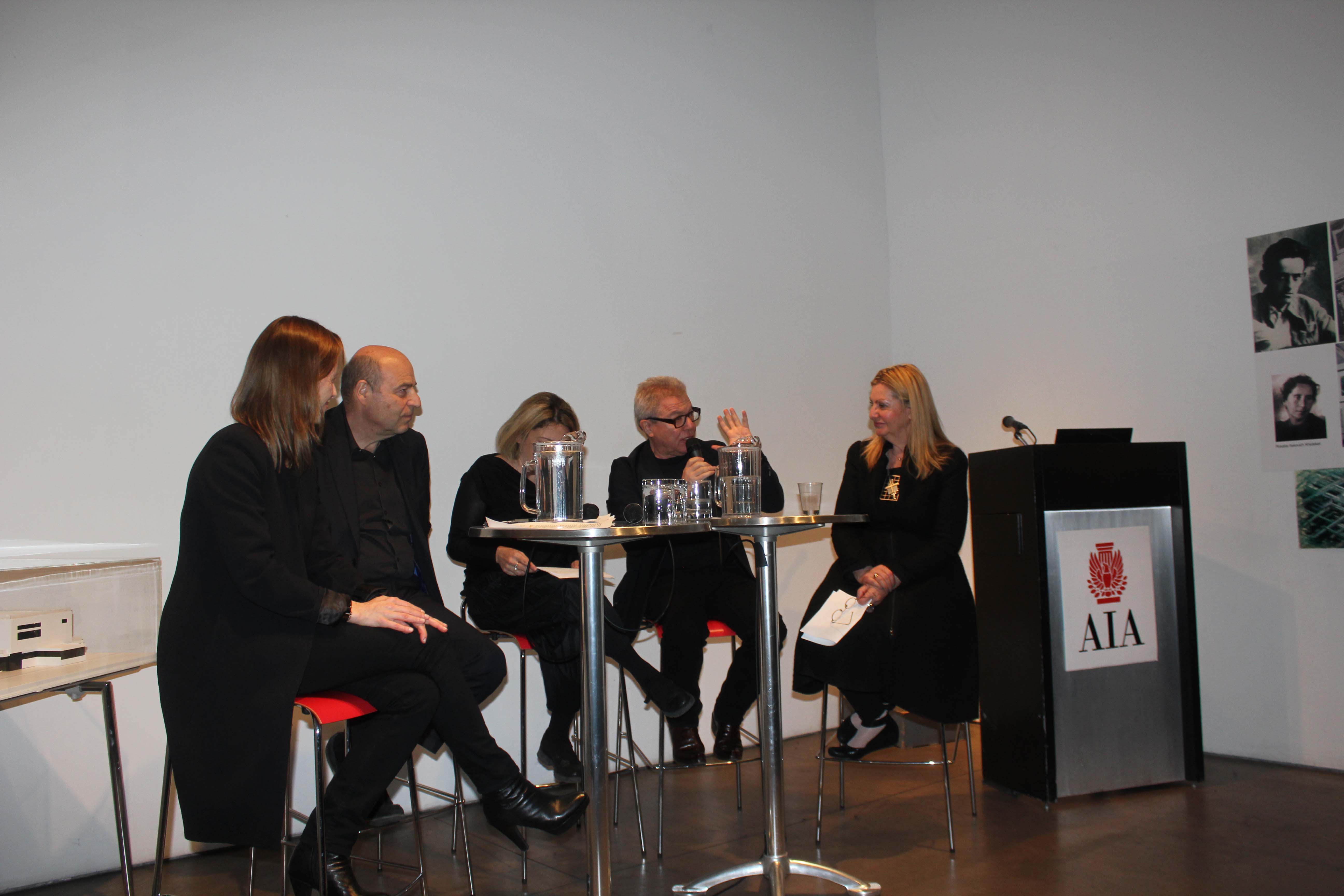
Suprematism, an art movement of the early 20th century conceptualized by Kazimir Malevich, still rankles many skeptics of modern art. But the key to appreciating these pieces is that they are theory manifested; they are born of a way of seeing that is inextricable from a social philosophy. In the case of Malevich, the famous “Black Square” rejected materialism, instead embracing a “pure feeling.” For him, the making of art was a spiritual experience, and that feeling couldn’t be contained for the cursory glances of the casual observer. Continue reading “Suprematism Revisited”

Imagining, and Measuring, the Unimaginable

Humans have been studying earthquakes scientifically for about 2,000 years, Lamont-Doherty Earth Observatory geophysicist Dr. Klaus Jacob says, ever since Han Dynasty-era polymath Zhang Heng invented the first seismometer so that the Emperor would know about distant earthquakes before the news reached him by messengers on horseback. Now we have multiple networks, like the Incorporated Research Institutions for Seismology, the U.S. Geological Survey, and overseas equivalents, linked and sharing information. Knowing a quake is likely doesn’t equate to predicting its timing, but the state of knowledge about locations, depths, and magnitudes helps the design and construction professions prepare for these probabilistic events and mitigate damage. Continue reading “Imagining, and Measuring, the Unimaginable”

Prepare to be Both Shaken and Stirred

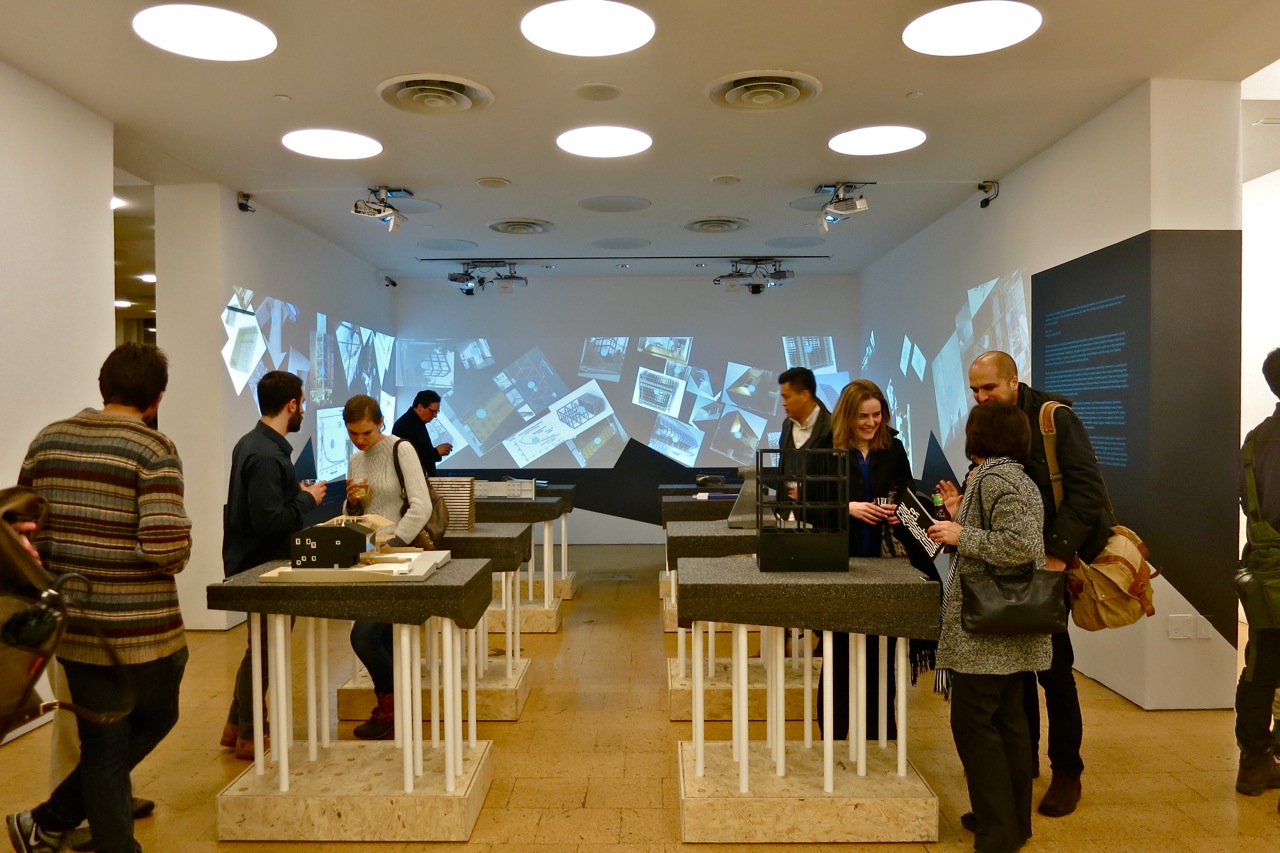
With apologies to the creators of a jukebox musical currently on Broadway, Carole King isn’t the only one feeling the earth move under her feet. While severe weather events like Superstorm Sandy have made flood preparations a prominent public concern, the AIANY Design for Risk and Reconstruction Committee (DfRR) has also kept an eye on other forms of catastrophe; the new installation at the Center for Architecture examines strategies for anticipating and counteracting earthquake damage. “Considering the Quake: Seismic Design on the Edge” is the first major exhibition in the presidency of Lance Jay Brown, FAIA, embodying an important facet of the 2014 theme “Civic Spirit : Civic Vision”. It combines detailed technical education with thought-provoking visual and interactive displays. Exploring the science and art of bolstering resilience under seismic stresses, the exhibition favors optimistic, can-do presentations of design and technology rather than images of destruction. Continue reading “Prepare to be Both Shaken and Stirred”

Learning in Nature: NYRP EDGEucation Pavilion

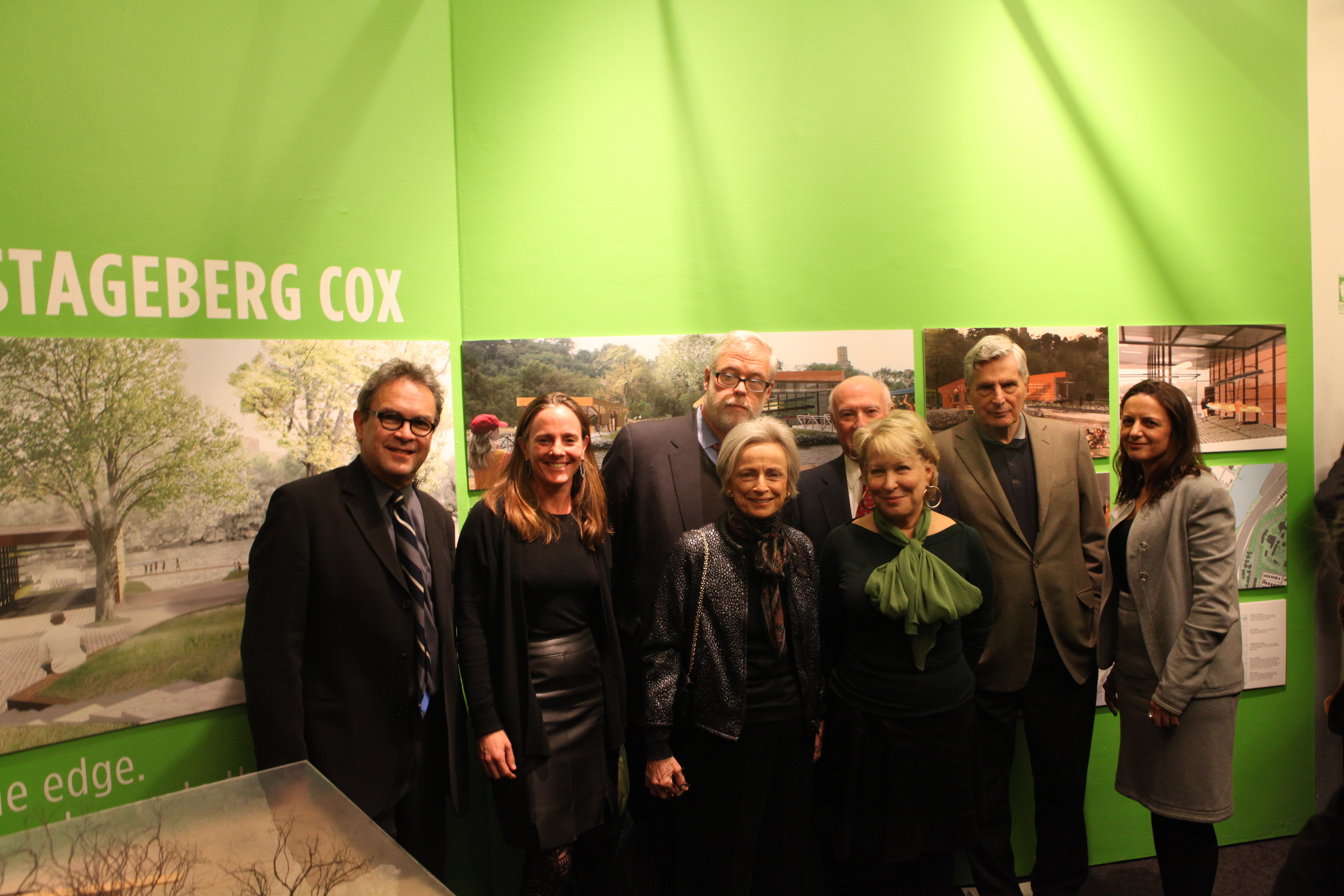
AIANY Executive Director Rick Bell, FAIA, rang in the opening of the New York Restoration Project’s (NYRP) EDGEucation Pavilion exhibition on 02.06.14 to a packed house at the Center for Architecture. As city leaders become more and more focused on both sustainable design and education for all, the exhibition’s goal – marrying both of these efforts – felt especially apt. Bette Midler, founder of NYRP, came to the opening and spoke with many present, including competition winning team from Bade Stageberg Cox. Continue reading “Learning in Nature: NYRP EDGEucation Pavilion”

Defending Public Space

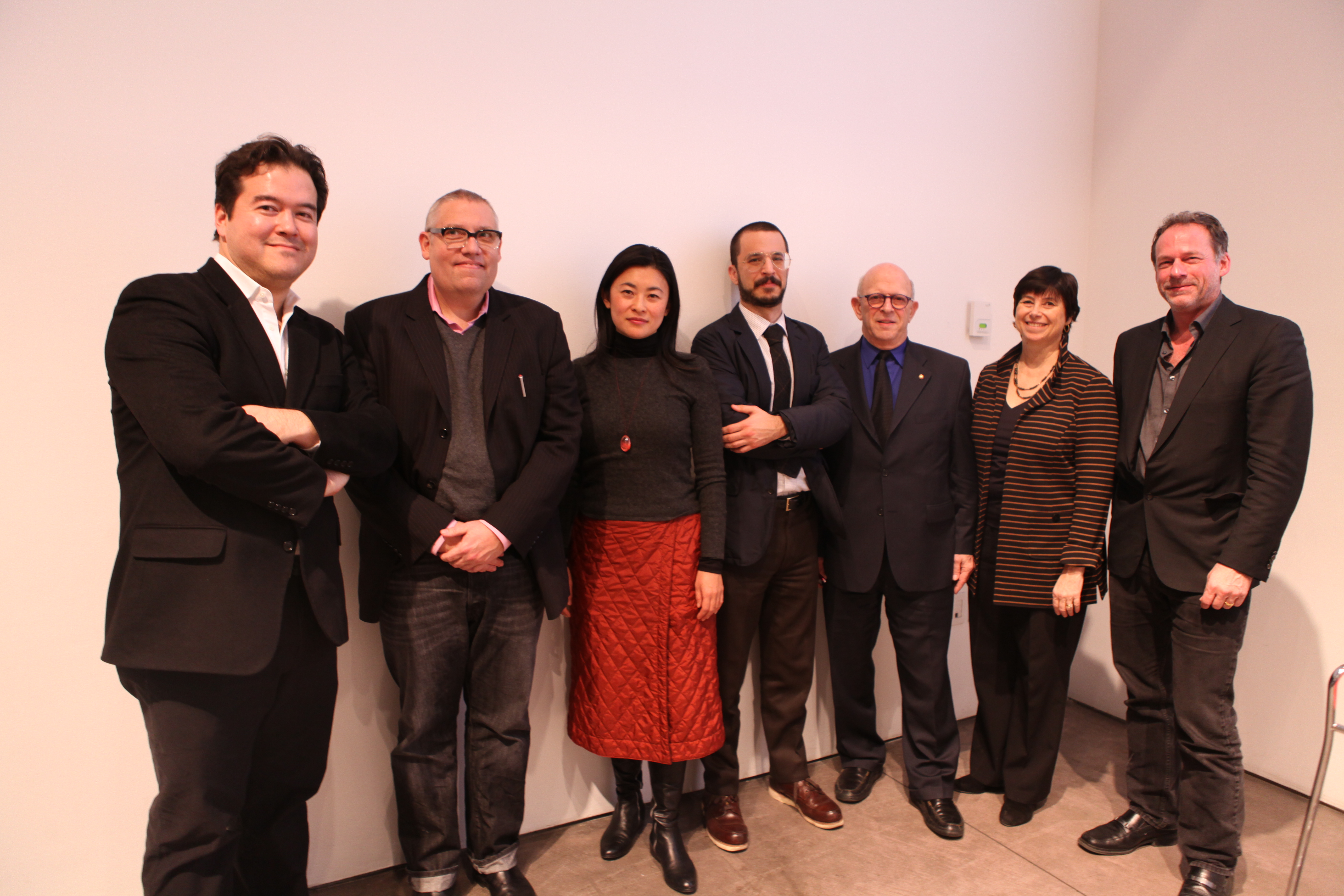
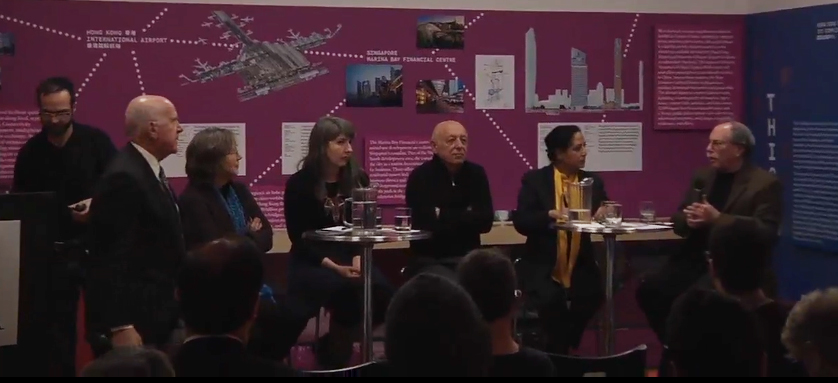
The “Practical Utopias” exhibition programming concluded with a panel that discussed public space in Asia’s particularly dense cities. Curator Jonathan Solomon, AIA, recapped the exhibition’s themes, including how public and semi-public spaces are made and used, from shopping malls to elevated walkways as in transit oriented development (TOD) networked cities in Hong Kong and Tokyo. Continue reading “Defending Public Space”

Trudging through the Muck of Engaged Practice

On 12.11.13, following on the heels of the AIANY 2014 Board Inaugural, the Center for Architecture hosted “The Role of Engaged Learning in Building Better Cities,” the second part of a symposium related to the exhibition “People Building Better Cities.” With its focus on increasing participation, the program also functioned as the informal launch of “Civic Spirit: Civic Vision,” the presidential theme of 2014 AIANY President Lance Jay Brown, FAIA. Noting this fortuitous scheduling of events, Brown also took advantage of his introduction to share his own experiences with participatory design, including his work on a1968 research project at Princeton University for a planning and design workbook for community participation. Continue reading “Trudging through the Muck of Engaged Practice”