Through the Green Door

The central exhibition of the Oslo Architecture Triennale, “Behind the Green Door,” is now accompanied by a book that catalogues the ideas in the show – and then some.Focusing on architecture, the thesis of the Triennale asks: “What does sustainability mean in urban transformation?” Subtitled “A Critical Look at Sustainable Architecture through 600 Objects,” the curators, from Rotor, a Brussels-based architecture and design collective, collected objects dating from the late 1960s through the current decade. Objects from 120 sources were specifically identified by their authors as ‘sustainable. AIANY Executive Director Rick Bell, FAIA, visited the exhibition as a guest of the Royal Norwegian Consulate in New York, and called it “mind boggling, like walking through a history of psychology.”

The resulting publication takes the exhibition another step forward with 100 experts, including Bell, commenting on the items on display. Rather than pay lip service to the architects, Rotor “wanted to open the door to the backstage” to create a dialogue, according to Maarten Gielen, a partner in the collective. The comments range from supportive to scathing. Continue reading “Through the Green Door”
Pedaling the Last Mile

It’s no fluke that bike shares and bike lanes are popping up everywhere. They provide easy transportation, require no fossil fuels, have no emissions, occupy little space, and are basic mechanical machines. Power to the Pedals, a 30-minute documentary, shows that bicycles provide opportunity for economics, the environment, and urbanism.

Focusing on the plight of one woman, Power to the Pedals follows Wenzday Jane in establishing a cycle-based business to deliver goods and haul recycling, all at a livable pace and scale. Jane found that learning cycle mechanics and associated skills also fosters self-reliance. From building her own bikes and trailers, Jane built a fleet and a business in Cambridge, MA – a worthy model for other cities. Continue reading “Pedaling the Last Mile”

THINKing Fred Schwartz

Even though Fred Schwartz, FAIA, passed away on 04.28.14, the loss was still fresh to many, speakers and audience alike, at the Center for Architecture on 06.30.14, when family, friends, colleagues, and collaborators gathered to share memories and anecdotes. AIANY Executive Director Rick Bell, FAIA, introduced the evening program with an invocation from New York poet Delmore Schwartz. Quoting from “At this Moment in Time,” Bell said: “Disturb me, compel me…You are exact. You tug my sleeve/Before I speak, with a shadow’s friendship, / And I remember that we who move/ Are moved by clouds that darken midnight.” Continue reading “THINKing Fred Schwartz”

Age of Housing

Death and taxes, as the old saying goes, are the only sure things in life. Hopefully the former comes after a long and rewarding life. But are we prepared for old age? We pad ourselves with a 401k, investments, paying off the mortgage – provided we’re not still living with roommates into our 50s, though we may be again by our 70s. The panel for “Designing for a Lifetime” considered the predicament of aging and housing at fundamental levels: community and dignity. Continue reading “Age of Housing”

Typing the Museum

Museums are an architect’s playground, both in designing and visiting. More than with other building typologies, museum patrons encourage design exploration, experimentation, and expression. In his new book The Architecture of Art Museums: A Decade of Design: 2000 – 2010 (2014, Routledge), Ronnie Self, an architect and associate professor of architecture at the University of Houston Gerald D. Hines College of Architecture, takes us on a tour of 18 museums across the United States and Europe. Self, no stranger to museum architecture, worked at Renzo Piano Building Workshop for 12 years on projects including the Atelier Brancusi, the Fondation Beyeler, and work at the Centre Georges Pompidou

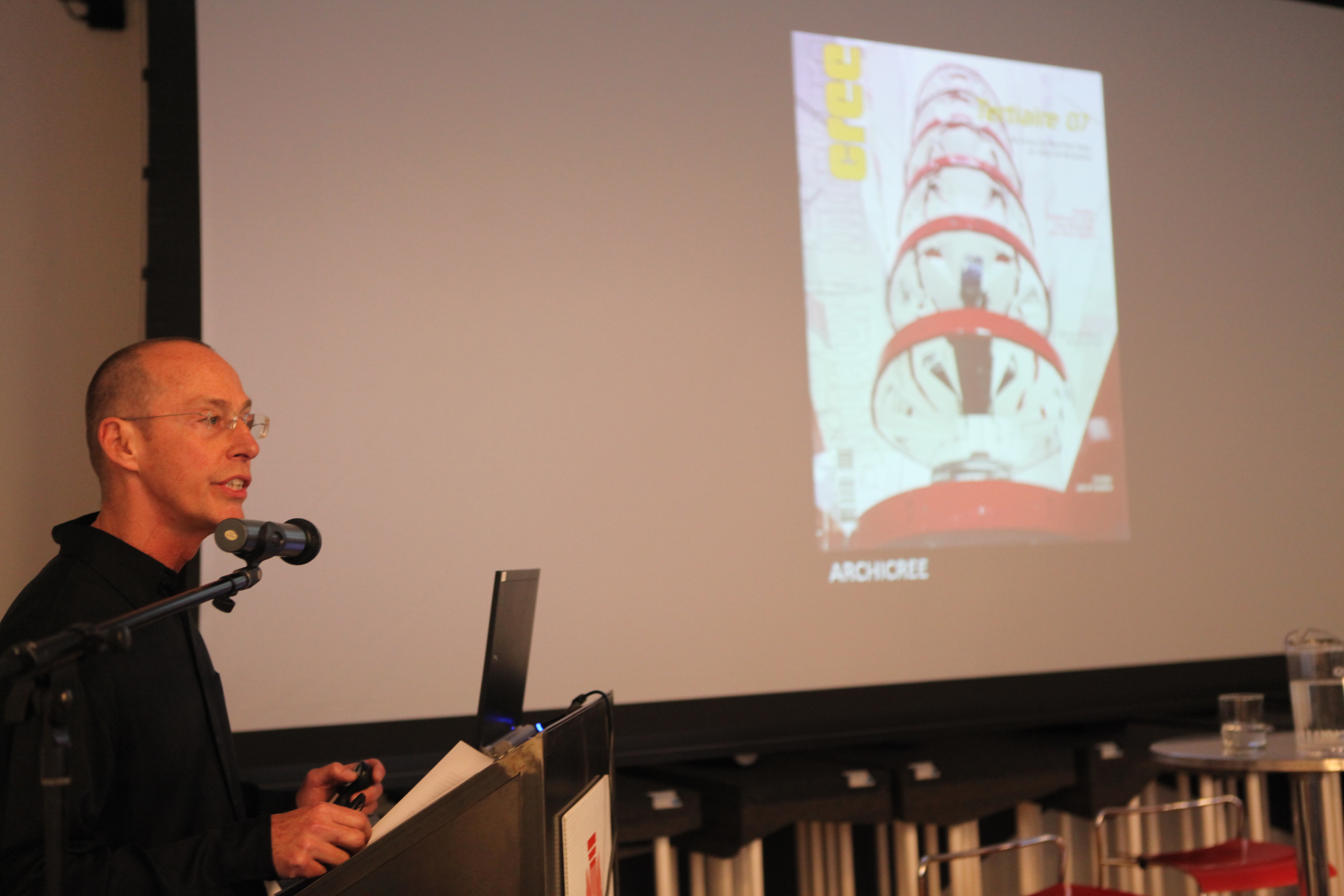
As the U.S. correspondent for the French publication Archicrée, Self had been to many of the museums prior to writing his book, then visited the remaining museums and met with their directors to complete the new volume. Each chapter follows an identical template; starting with an overview, the essay moves through the design process with plans and sections, and ends with a telling detail. The consistent methodology makes it easy to compare museums and to highlight their differences. Continue reading “Typing the Museum”

Fast-paced Design Awards

Nine of this year’s AIANY Design Award winners lined up for an evening of presentations “pecha kucha” style – 20 slides at 20 seconds each. It’s the fast-paced format that Tokyo-based Klein Dytham Architecture concocted a decade ago as a monthly party delivering quick doses of design diversity. The Chapter’s 2014 winners presented projects ranging from theoretical and unbuilt work to renovations, high rises, and urban interventions.

Leading the way with 4 World Trade Center by Maki and Associates, Mary Dietz of Silverstein Properties gave the audience an overview of the LEED Gold building and its place on the redeveloped World Trade Center site. Jean-Gabriel Neukomm, a principal at SPAN Architecture, took us to the other end of the spectrum with an interior retail space in China for Calvin Klein that features blackened steel and white marble. While both are fine examples of minimalism, Adam Yarinsky, FAIA, a principal at Architecture Research Office (ARO), presented the renovation of the godfather of Minimalism’s New York abode, the Donald Judd Home and Studio. Judd’s place on Spring Street was essentially stripped and historically preserved in a move so fine one is hard-pressed to find the new. Continue reading “Fast-paced Design Awards”

Constructivism Consumed by Capitalism

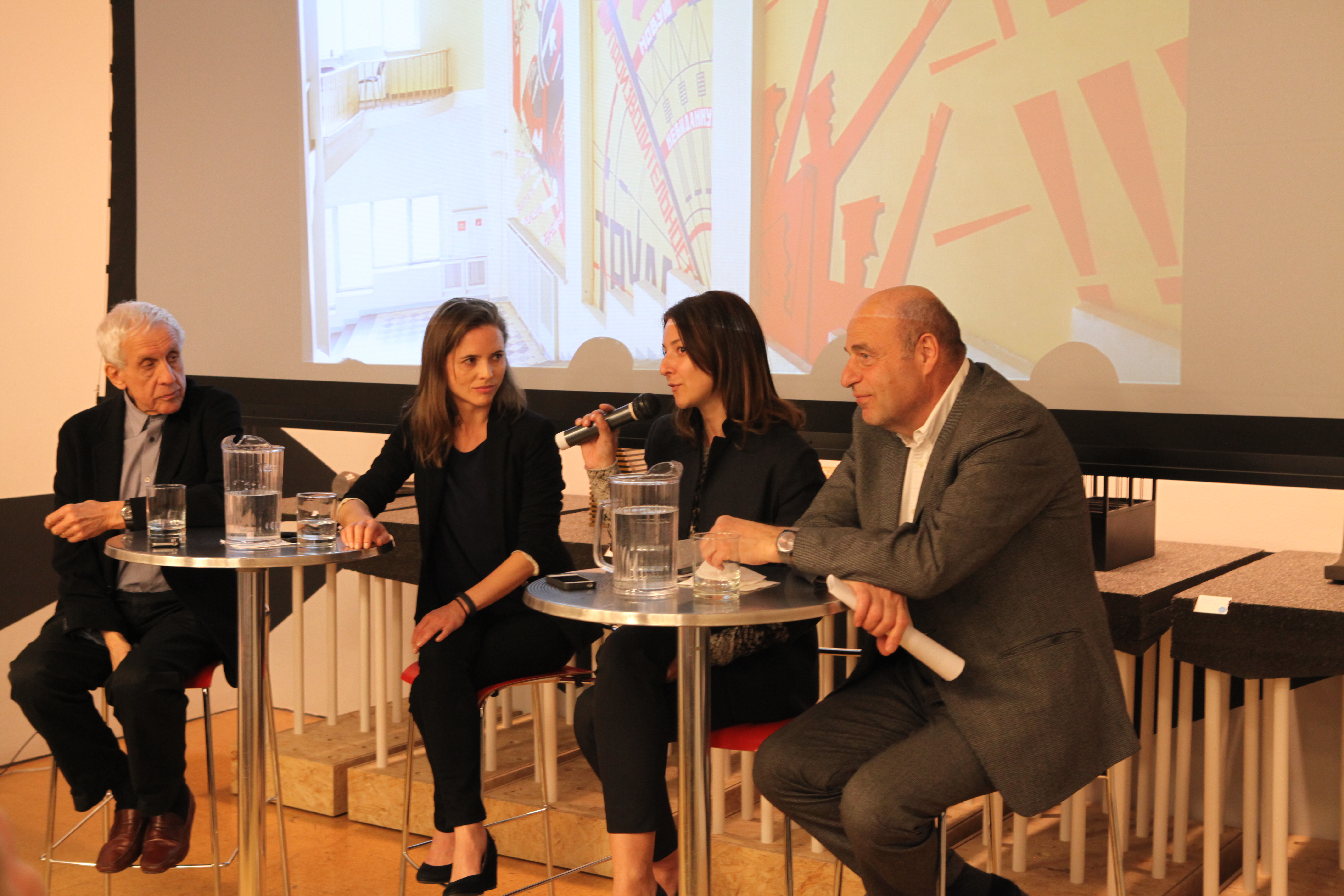
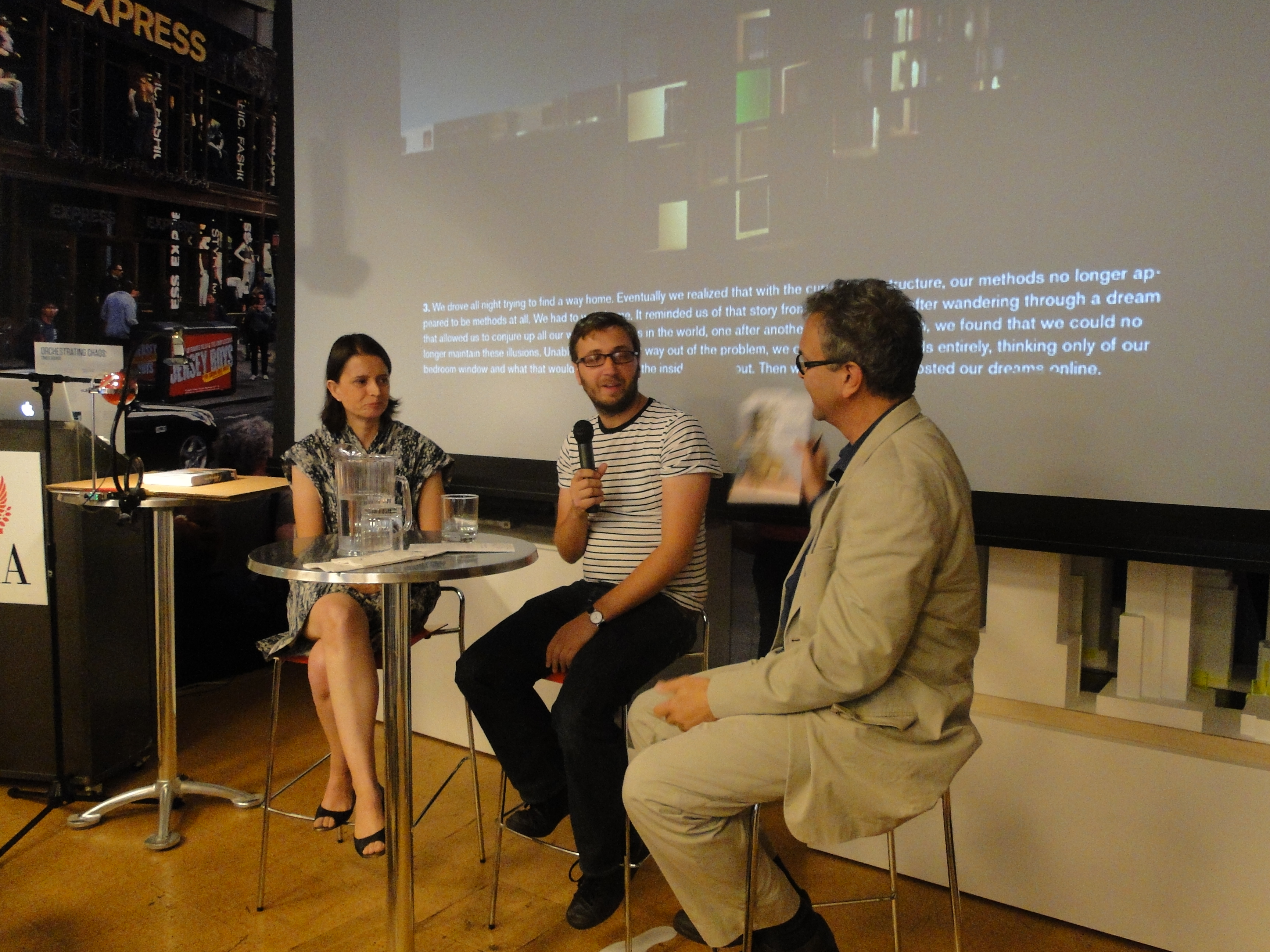
Recent calls to arms have raised awareness of impending doom, or at least major life transitions, for many modern landmarks, from the Orange County Government Center to a whole cadre of mid-century modern homes. Unfortunately, several have resulted in mourning the passing of Prentice Women’s Hospital, Mummers Theater, and the American Folk Art Museum. Abroad, the clock is ticking on Tokyo’s Nakagin Capsule Tower, and, as the “Avant-Garde Heritage at Risk” panel discussed, Moscow’s Constructivist landmarks are under threat as well. Continue reading “Constructivism Consumed by Capitalism”

Why Compete

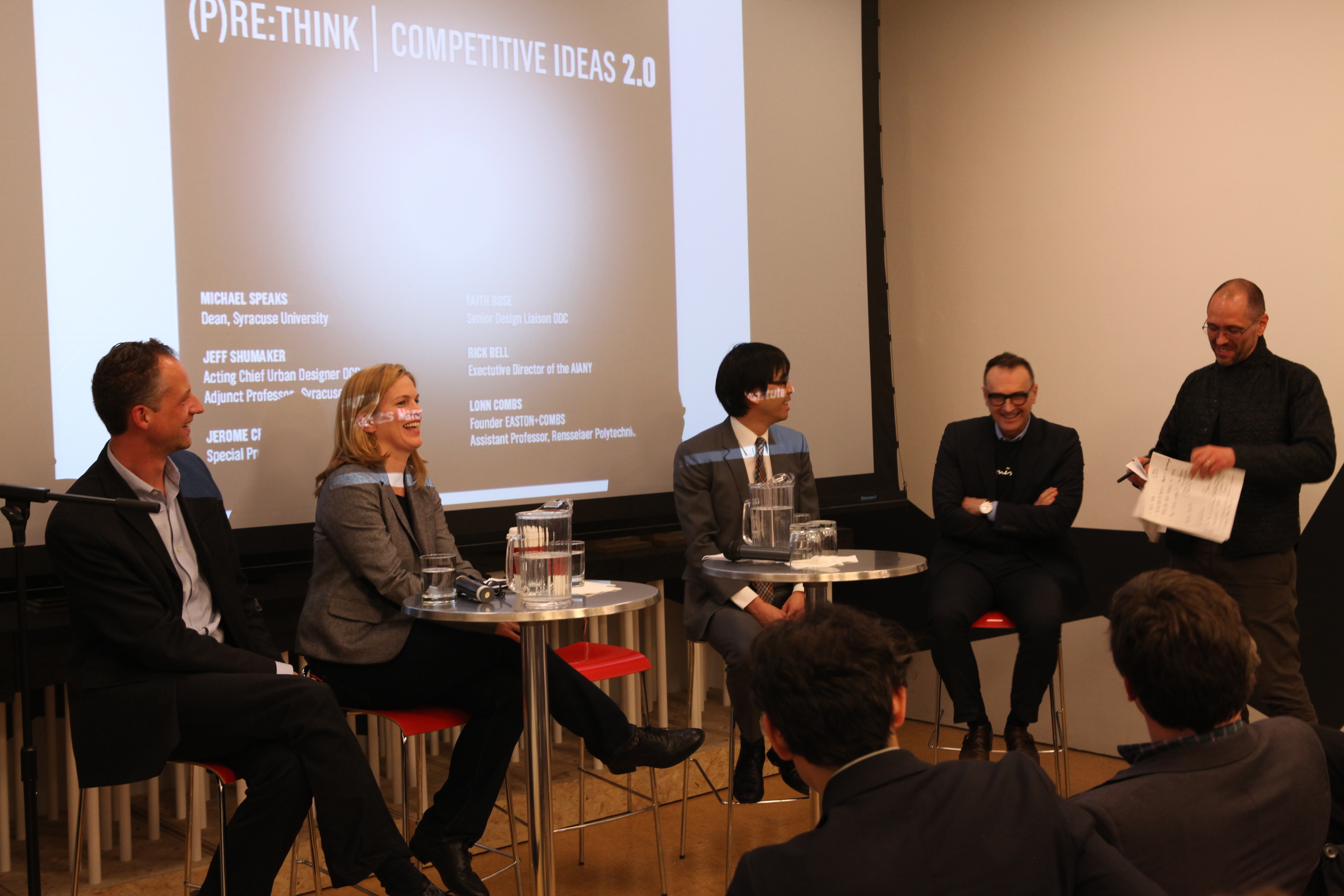
The first P(RE)Think panel discussed competitions from the architect’s point of view: portfolio building, exploring ideas, media attention, and that pipedream of winning a commission. Version two-point-oh brought together city agencies, academia, and a cultural institution to examine why clients offer competitions. From theoretical exploration to developers’ bottom lines, competitions can bring together ideas and economy. Introducing the symposium, AIANY Executive Director Rick Bell, FAIA, targeted the ability of competitions to identify the heart of a problem, which could be completely different than first considered, and their ability to “make things happen.” Continue reading “Why Compete”

Weeksville Heritage Center Reveals City’s History

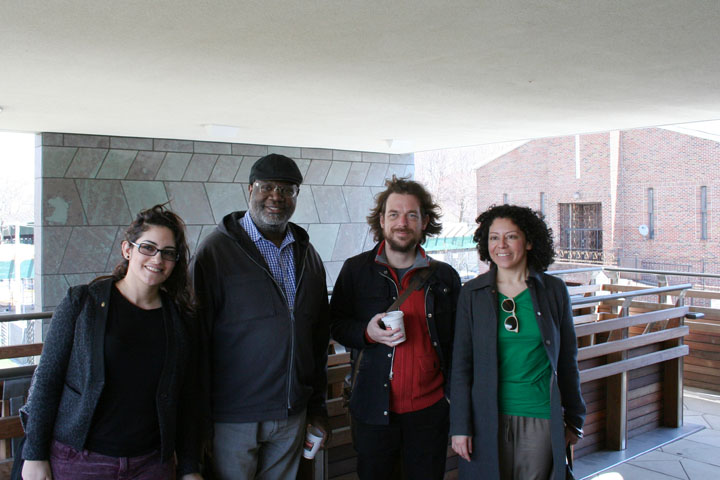
Weeksville, Brooklyn, and the Weeksville Heritage Center both have relatively long histories. James Weeks, a free African American, established the Brooklyn community in 1838; and the Center, designed by Caples Jefferson Architects, started in 2002. Fifty years after its “rediscovery” in the late 1960s by Pratt professor and amateur helicopter pilot James Hurley, the neighborhood received a new $26-million home for rotating exhibitions, performances, lectures, classrooms, research, and offices to administer the cultural organization’s programming – green markets, after-school programs, outdoor concerts – and, most importantly, the historic Hunterfly Road Houses. Continue reading “Weeksville Heritage Center Reveals City’s History”

Films Behind Façades

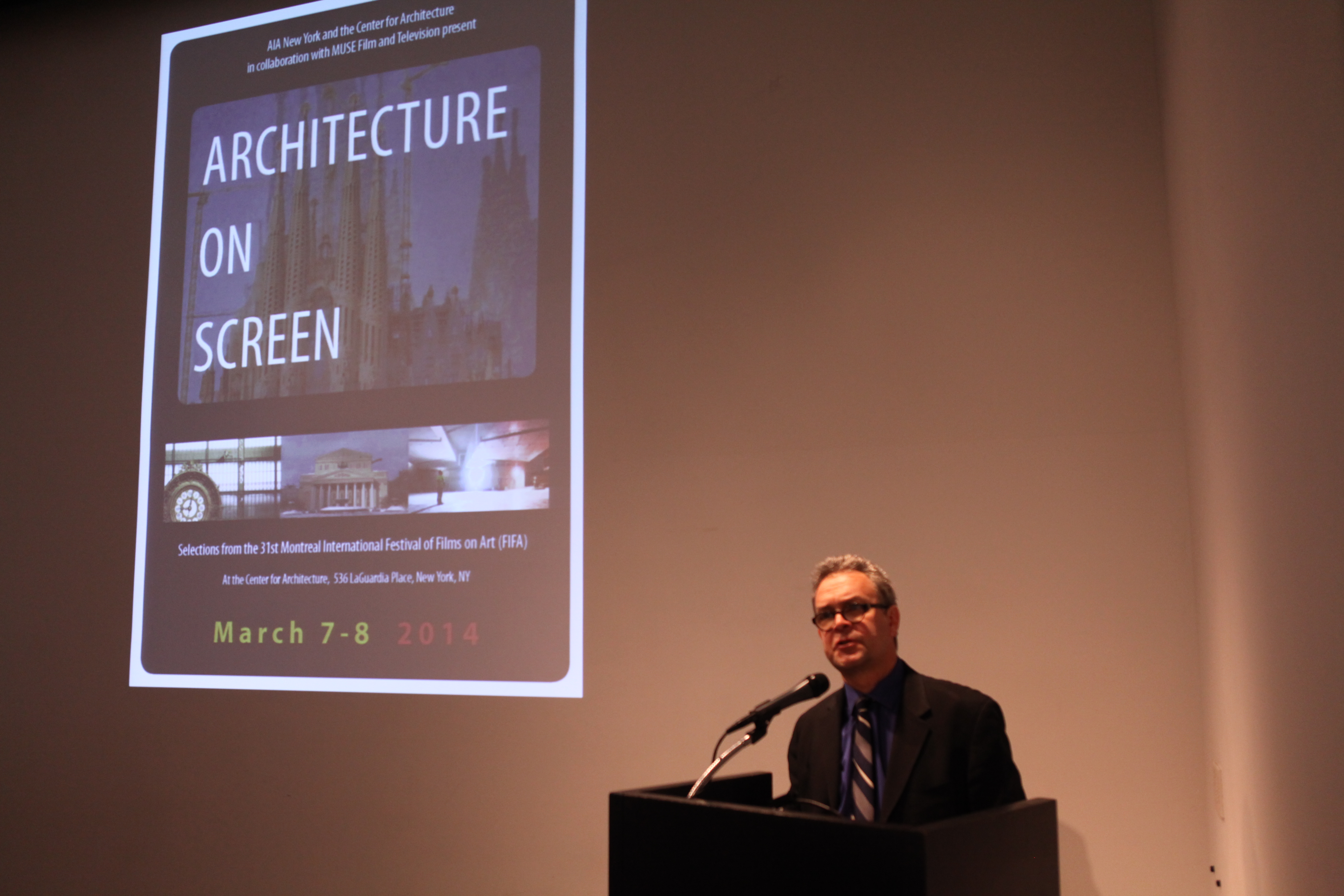
Last year, the Montreal International Festival of Films on Art (FIFA), the hotbed of international art films that it is, screened 250 films from 28 countries. This year’s “Architecture on Screen,” the fifth annual at the Center for Architecture, captured seven of those films for two days of architecture, film, and conversation. Continue reading “Films Behind Façades”