Behind Every Sadik-Khan, a Streetful of Jacobses

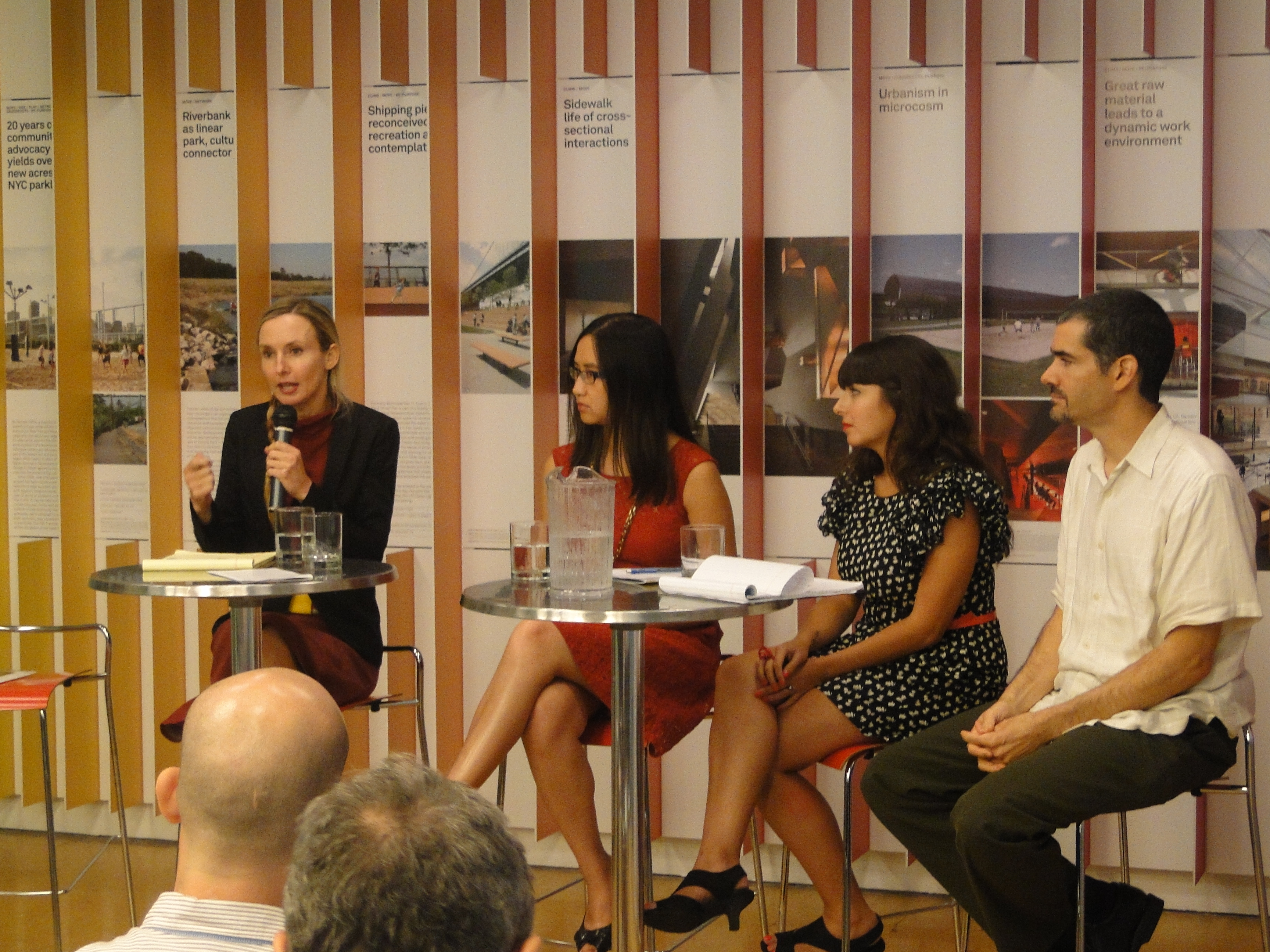
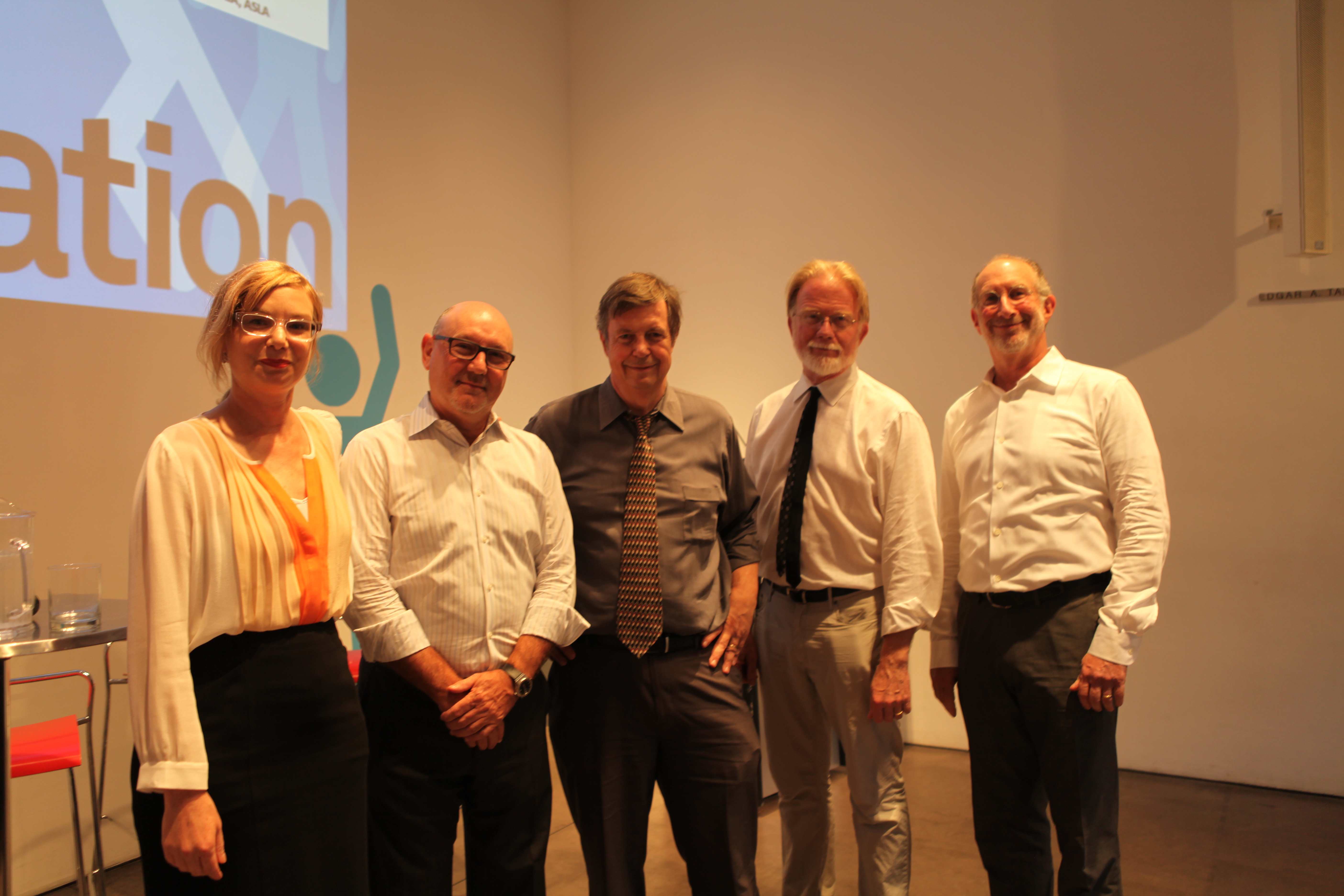
When public officials implement Active Design principles in the built environment, they’re not making an arbitrary top-down decision (no matter how often that complaint has arisen from NIMBYs, smokers, the internal-combustion-engine-über-alles faction, and others); they’re responding to expressions of political will. At the most recent FitNation panel, amid an overview of Transportation Alternatives’ (TA) effective campaigns to reclaim street space for human-powered movement and transit, TA spokesperson Jennifer So Godzeno drew a distinction between activists like Jane Jacobs, who create and amplify that political will, and officials like Transportation Commissioner Janette Sadik-Khan, who translate it into policy decisions and constructed forms. Both are indispensable. Citizen activism is an integral aspect of Active Design, the counterweight to all the interests whose inertia supports a pathogenic status quo in built space. The case studies offered here added up to an encouraging pattern of individual initiative driving democratic action to enhance public health.

Continue reading “Behind Every Sadik-Khan, a Streetful of Jacobses”
The Accelerating Spread of the Active Design Meme

Just a few weeks after the official launch of the Center for Active Design, the national media have already begun repeating a meme that compresses the scope and complexity of the active-design movement to one line: “Mayor Bloomberg wants you to take the stairs.” He does, of course, and so do thousands of specialists in disciplines from epidemiology to architecture. But there’s a lot more to it than the common-sense stair prompts posted throughout the city’s buildings. The Fit Nation movement is going truly national, with regionally-appropriate interventions and adaptations appearing at sites with a wide range of densities and urban designs. It’s less a matter of New Yorkers spreading prescriptive advice than one of multiple centers of expertise linking up to share best practices. In fact, AIANY Executive Director Rick Bell, FAIA, noted in his introduction that the FitNation exhibition will be travelling to a dozen other US cities, including five made possible by AIA National’s Fund to Fit grants. Continue reading “The Accelerating Spread of the Active Design Meme”

Fit City 8: Purposeful Ovations, Urgency, and Poetry

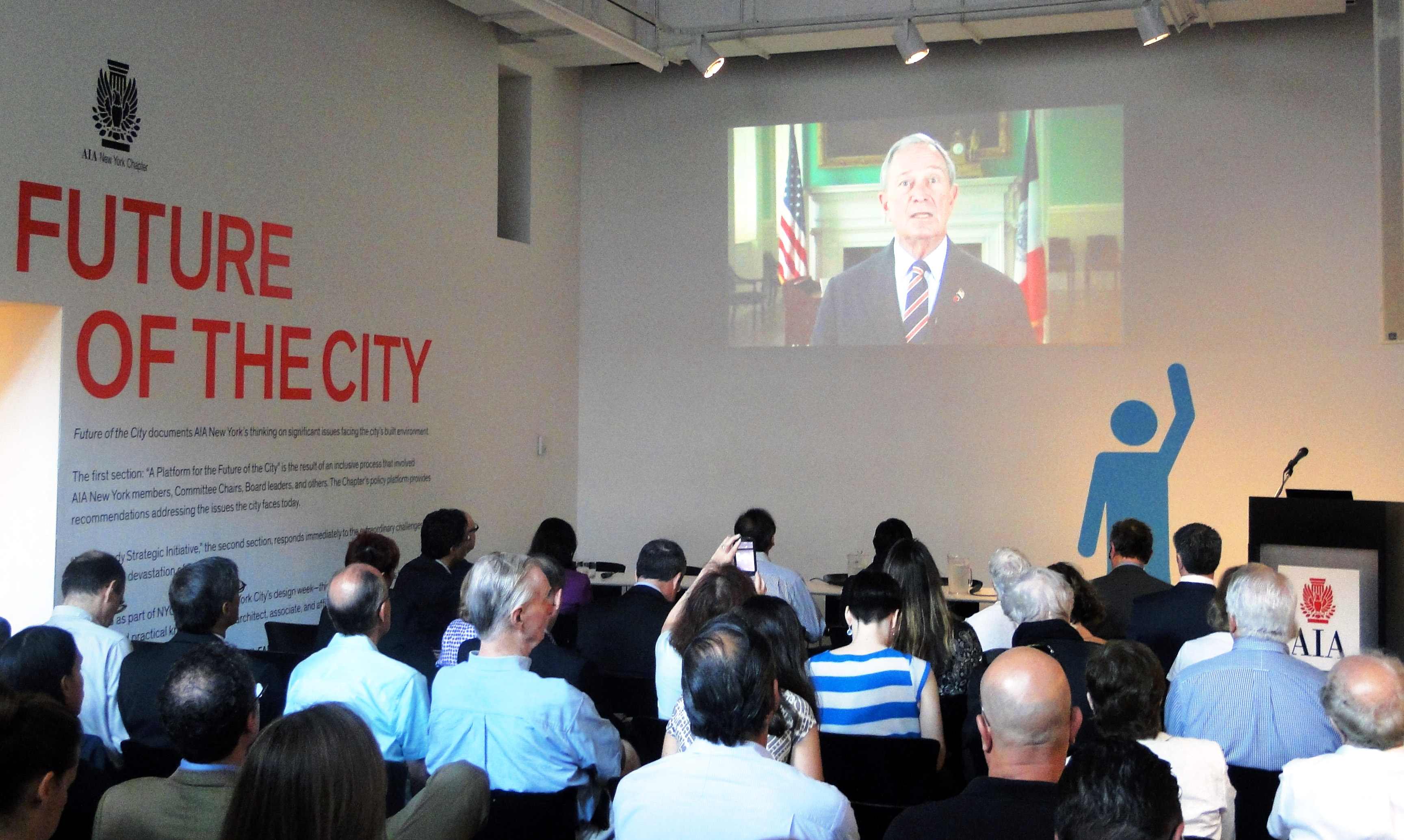
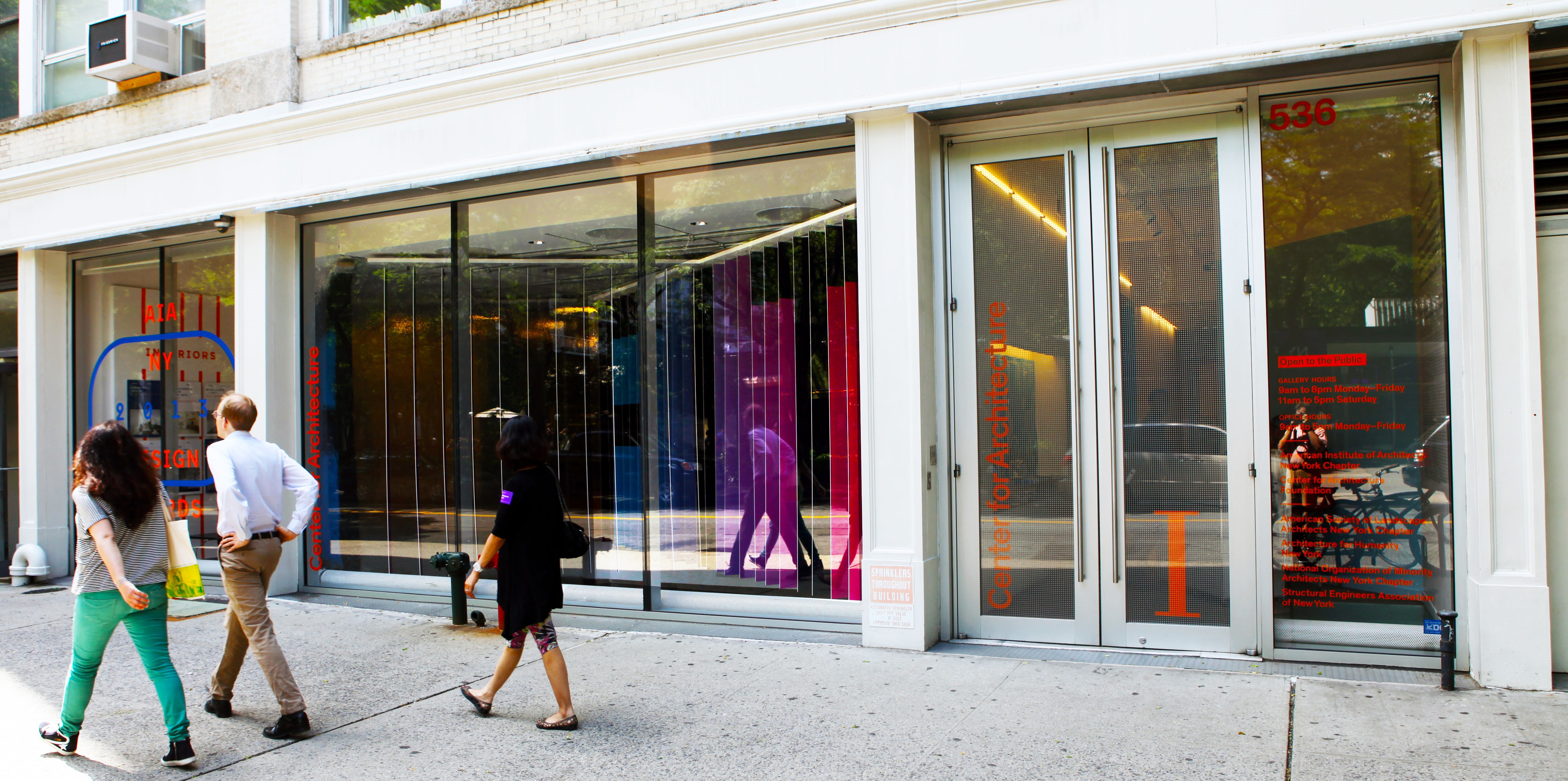
Observers looking into the Center for Architecture from the sidewalk on 06.24.13 may have inferred either that every talk given at Fit City 8 was deeply inspiring or that the audience was unusually excitable. From Mayor Bloomberg’s video introduction, to remarks by Deputy Mayor Linda Gibbs and the first keynote speaker – the World Health Organization’s Alex Ross – through the final summation by NYC Department of Design + Construction Commissioner David Burney, FAIA, each presentation ended in a standing ovation.

This wasn’t quite the case: the attendees were following Dr. Karen K. Lee’s recommendation of “active applause,” standing up for each applaudable moment: along with exercises led by the Department of Health’s Sarah Wolf, MPH, RD, and group yoga maneuvers led by Robyne Kassen, Assoc. AIA, and Sarah Gluck of Urban Movement Design, one of several strategies for keeping the blood circulating and staving off the languor that all-day meetings often produce. But Fit City is that kind of event: it translates ideas directly into practice. Continue reading “Fit City 8: Purposeful Ovations, Urgency, and Poetry”

“FitNation” Exhibition Takes a Healthy Idea to the Next Scale

The new “FitNation” exhibition at the Center for Architecture highlights 33 projects in 18 cities that exemplify the range of creativity that active design elicits. These new and adaptive structures, ranging from low-tech, open-source interventions to major public buildings and citywide networks, are organized here according to nine terms, mostly active verbs, expressing the things they make possible (climb, connect, grassroots, graze, move, network, play, re-purpose, ride). Continue reading ““FitNation” Exhibition Takes a Healthy Idea to the Next Scale”

Hudson Yards: Writing the West Side’s Next Story

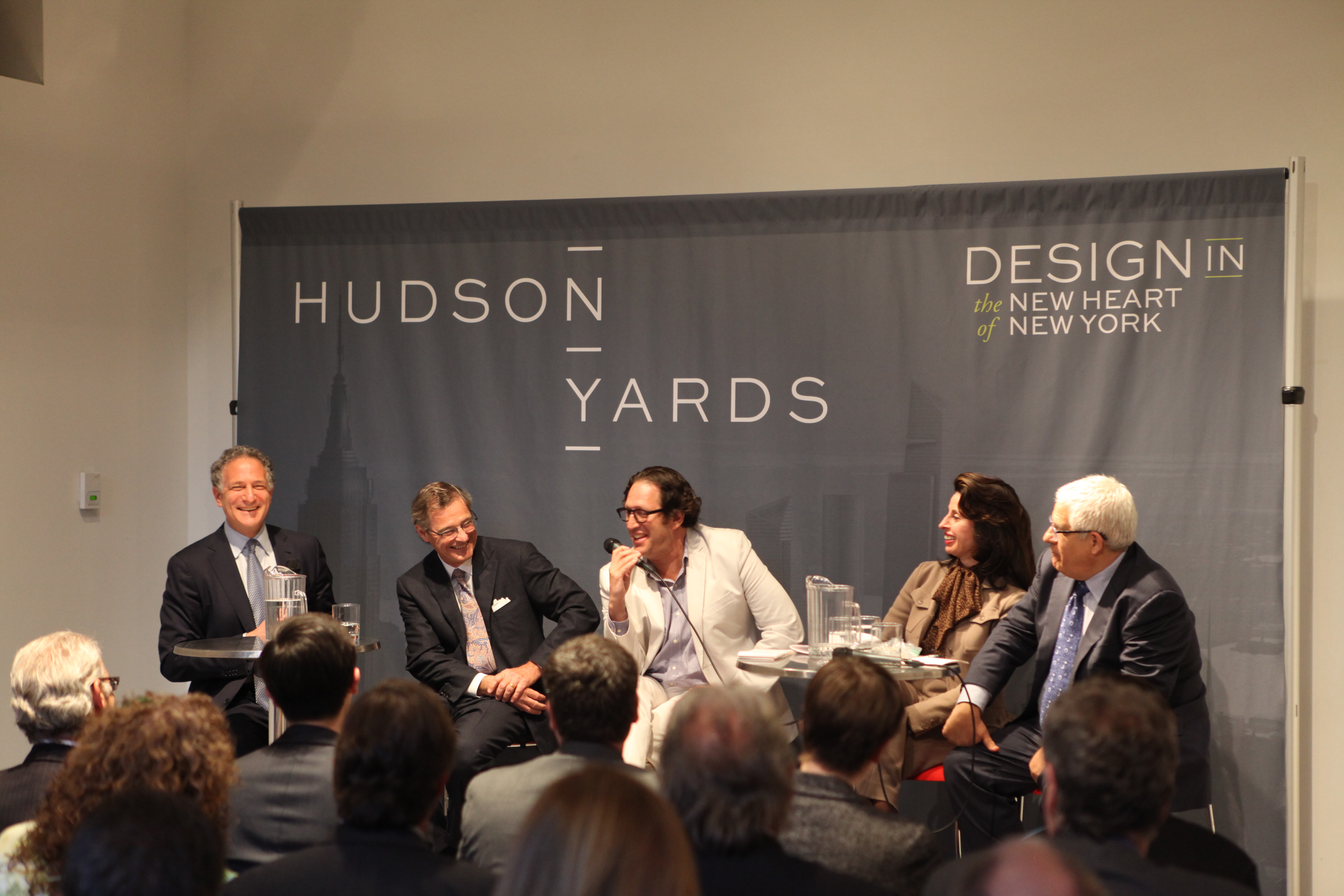
It’s unlikely to be an accident that the first photo in the AIANY’s new A Platform for the Future of the City shows the planned Hudson Yards district – not, say, another roughly comparable and better-known multi-tower development, the World Trade Center complex. The ambitious 26-acre project to revitalize the West 30s with mixed-use buildings, parks, public space, and cultural facilities has been gathering momentum for much of the past decade; construction began last fall. If completed as planned on the projected timetable, with the eastern Yards opening in 2019, it will link the High Line and Hudson River Park with Times Square, unite the West Side as a work/live/play district, and convert eight currently undeveloped railyard blocks into a skyline-defining, game-changing, creative-class magnet. Skeptics will inevitably emphasize the “if” in these projections, as the panelists in the first Hudson Yards Speaker Series were aware. Related Companies’ L. Jay Cross observed as a general principle: “Everything works until you draw it to scale.” Continue reading “Hudson Yards: Writing the West Side’s Next Story”

What Built Forms are Global Universities Taking?

New York University’s expansion on a global scale, with major portal sites NYU Abu Dhabi and NYU Shanghai as well as here (officially “NYU in New York”), plus 10 other centers worldwide, has been a source of campus one-liners about “the real estate developer that offers classes on the side,” or the chance to study at NYU Moon in 2031.

But for all its high-visibility internationalism, NYU isn’t alone in this endeavor. Major universities have been forming increasing numbers of partnerships with overseas academic institutions in recent years. The concept of the geographically unified academic campus is evolving into new forms, including networks of far-flung campuses, campuses that host multiple institutions, and even universities that have no physical campus at all.

At a three-way videoconference hosted locally at Kohn Pedersen Fox’s midtown headquarters, speakers situated physically in Seoul, Singapore, and New York – but located conceptually in a future that’s achievable and tangible, not science fiction – discussed a range of these projects, concentrated in East Asia. Continue reading “What Built Forms are Global Universities Taking?”

If Not Now, When? Well, How About Here?

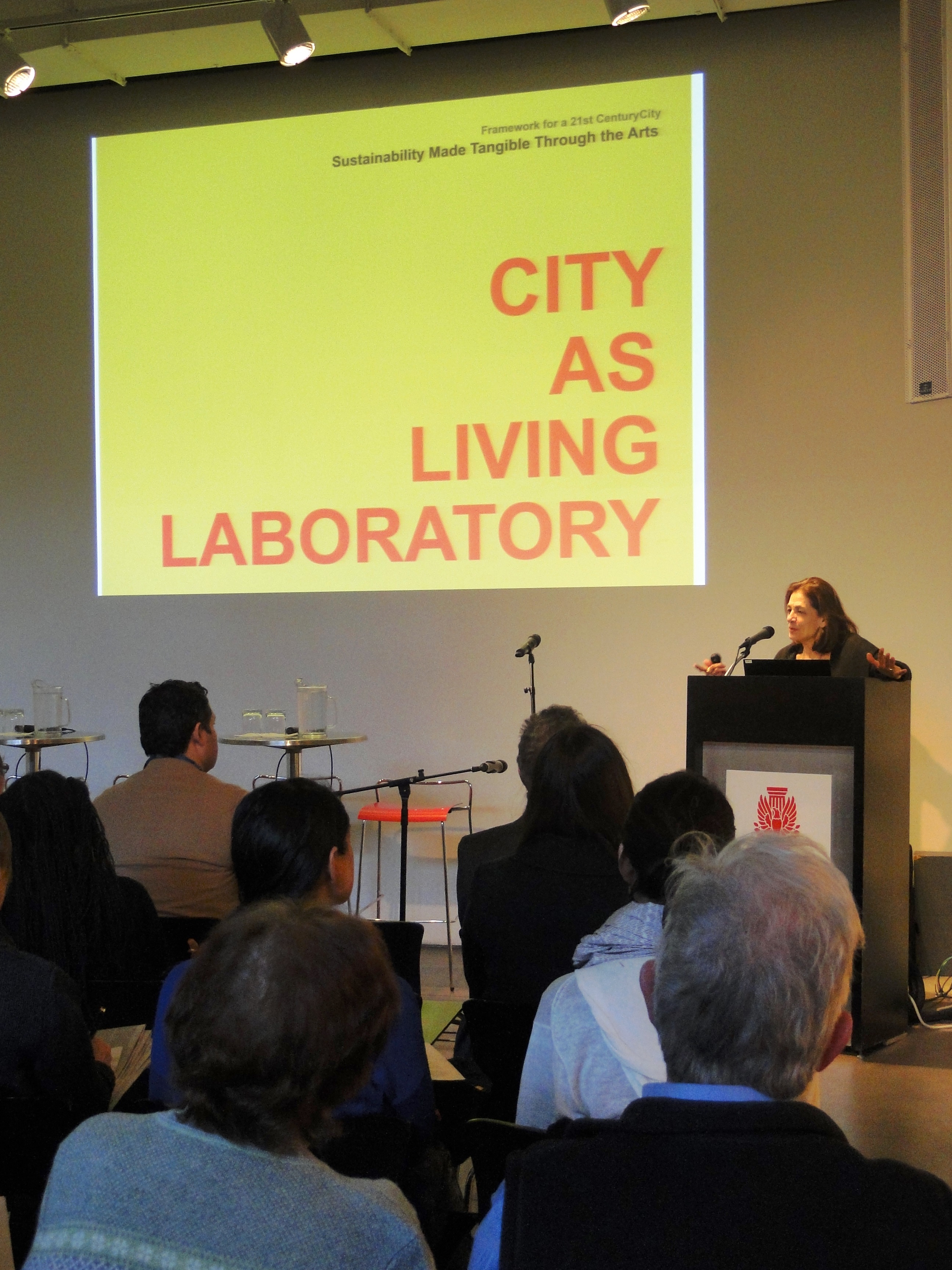
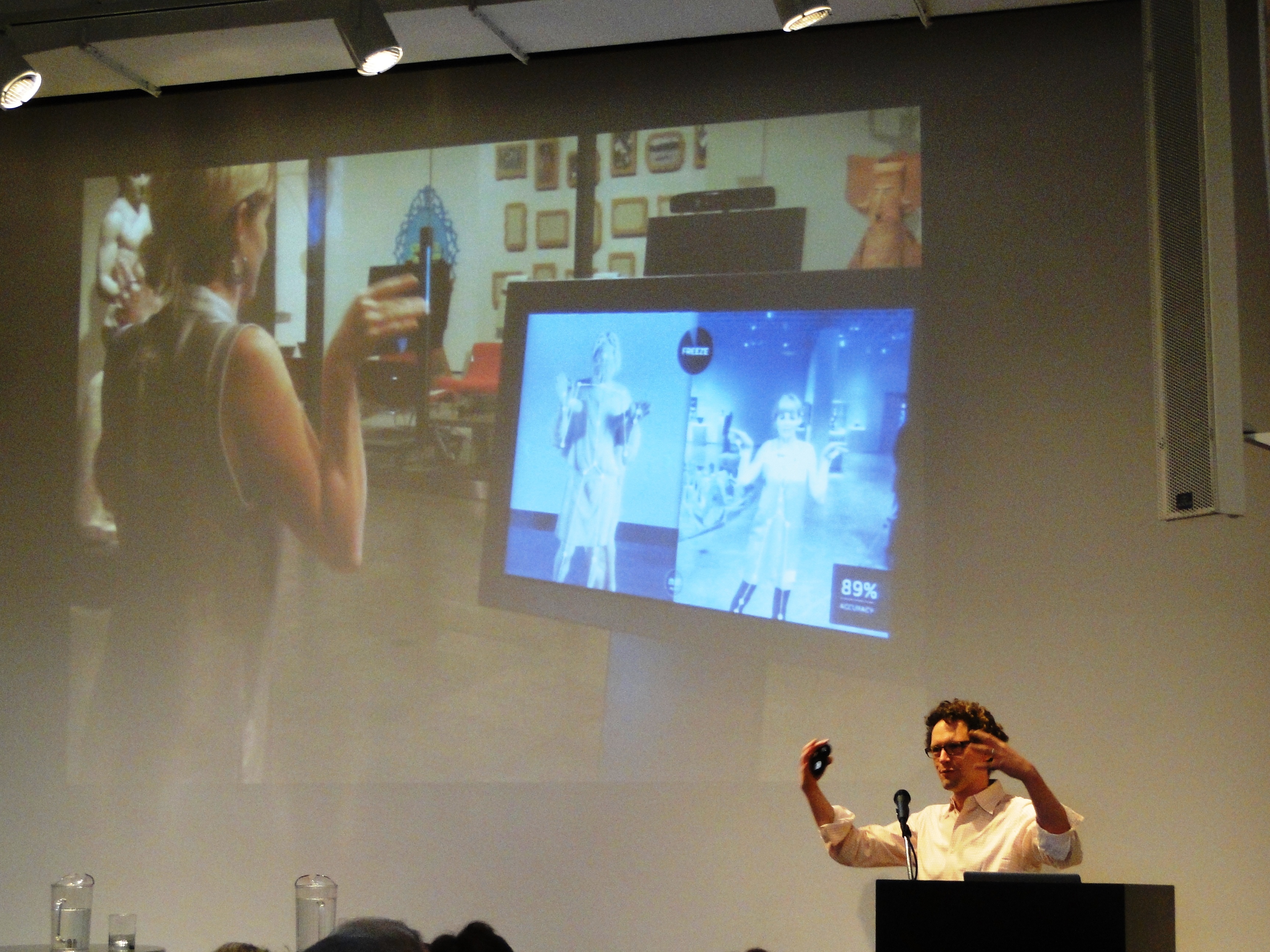
Interdisciplinary exchange is a natural way of working among architects and allied design professionals, but in many realms it represents more of an ideal than a reality. Addressing the broad question of how artists and scientists can join forces to enhance public awareness of environmental imperatives, a panel representing the visual and performing arts, climate science, and interactive media design drew attention to the practical challenges as well as the possibilities. The exhibition “Broadway: 1000 Steps” by Mary Miss/City as Living Laboratory, which was recently on view in the Center for Architecture’s Margaret Helfand Gallery, offered credible visions of how art and design can transform Manhattan’s most fabled avenue into a “green corridor” of informative, colorful street-level projects organized in up to 20 hubs along its 14 miles. This and related efforts, both realized and hypothetical, allowed the panelists to anchor their discussions in specific test cases. Continue reading “If Not Now, When? Well, How About Here?”

The Far-Flung Varieties of Design Excellence

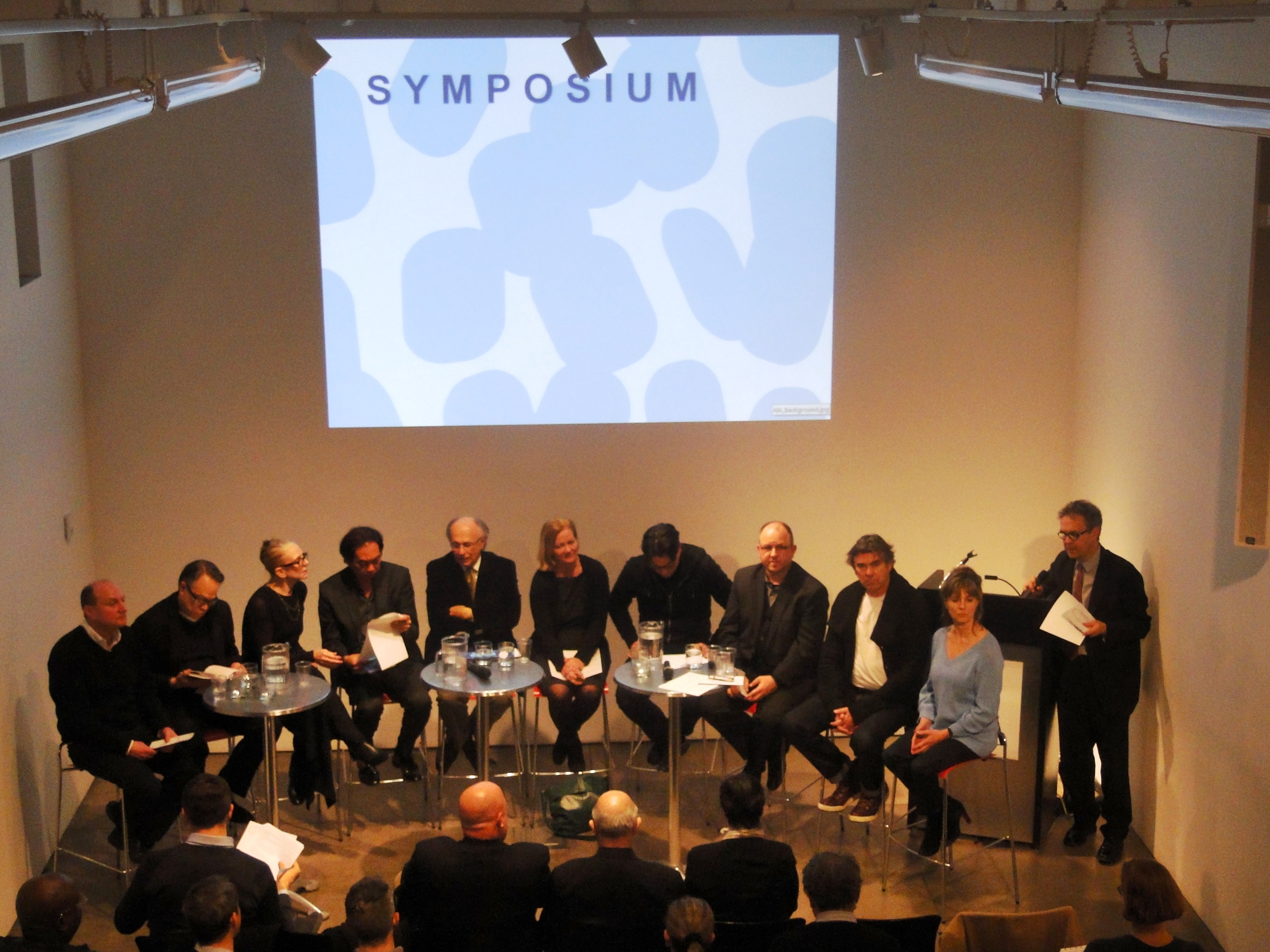
This year’s AIA New York Design Awards were distributed widely between large and small firms, between usual suspects and newcomers, and between high-profile, headline-grabbing projects and lesser-known, quietly impressive ones. Last Monday’s announcement of the winners – 21 in the Architecture category, six in Interiors, eight in Projects, and seven in Urban Design – demonstrated how New York’s architectural community expresses design excellence diversely, balancing attention to aesthetics, technical details, urban quality of life, and environmental responsibility. As Architizer founder Marc Kushner, AIA, guided the discussion with succinct, probing questions, the Juror Symposium offered frank insights into the strengths, contexts, and ambitions of these built and imagined projects. Continue reading “The Far-Flung Varieties of Design Excellence”

The Rapid, Rocky Path to Disaster Recovery

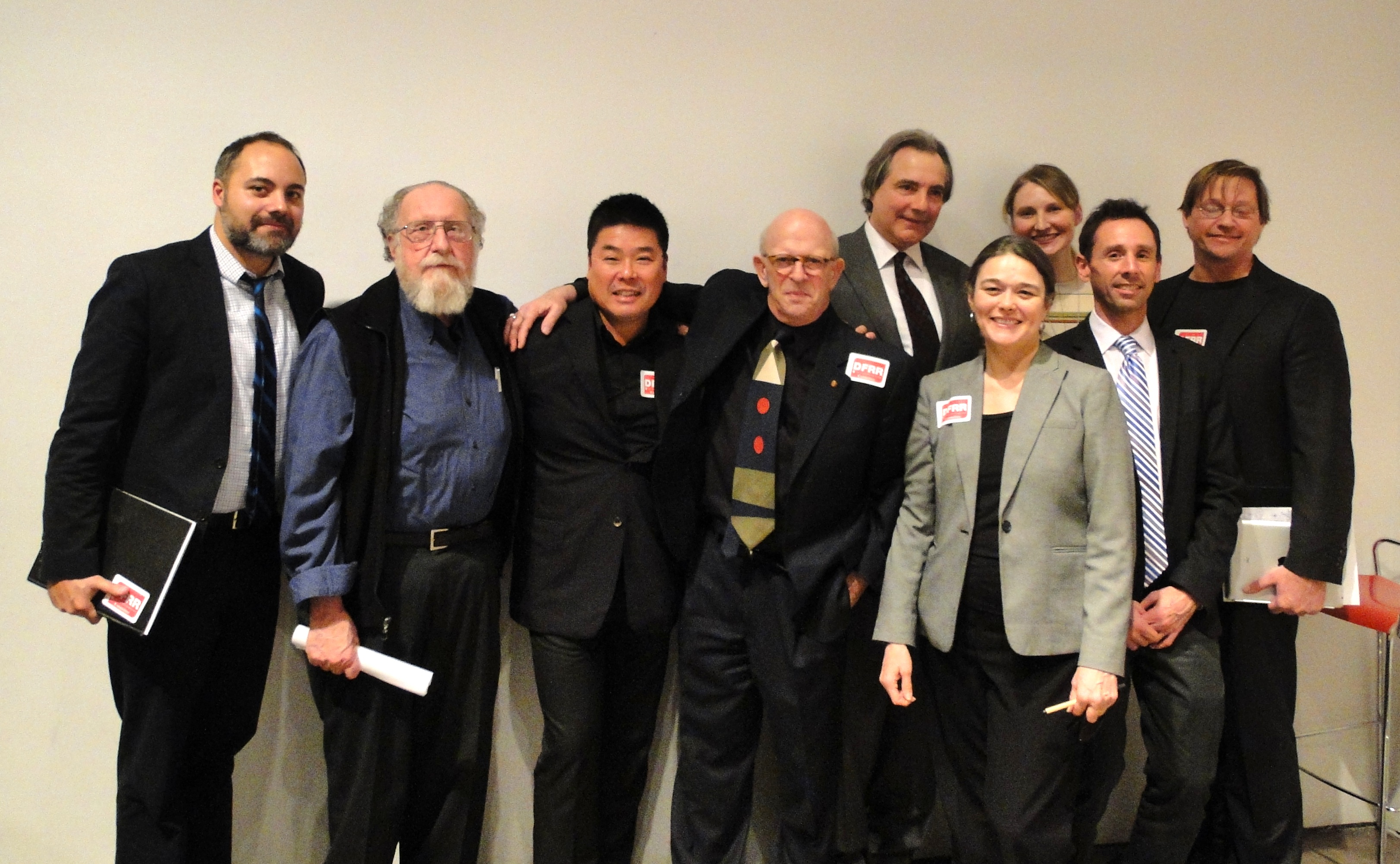
With a nod to the late Mayor Ed Koch’s reality-checking tagline, on 02.13.13 the AIANY Design for Risk and Reconstruction Committee (DfRR) assembled local and national emergency-management experts to consider the city’s performance during Superstorm Sandy and the implications for that storm’s inevitable successors. Continue reading “The Rapid, Rocky Path to Disaster Recovery”

Active Spaces for Digital Natives: Edgeless School Symposium

The contribution of school facilities to the quality of education is difficult to determine, not only because so many other variables affect a school’s performance (faculty and parental input, students’ varying backgrounds, general societal change), but because education itself resists easily communicable metrics. As the animated debate at this daylong symposium suggested, continual improvement in the design of buildings, classrooms, and equipment remains a high priority for architects, educators, and the officials of extracurricular institutions. Continue reading “Active Spaces for Digital Natives: Edgeless School Symposium”