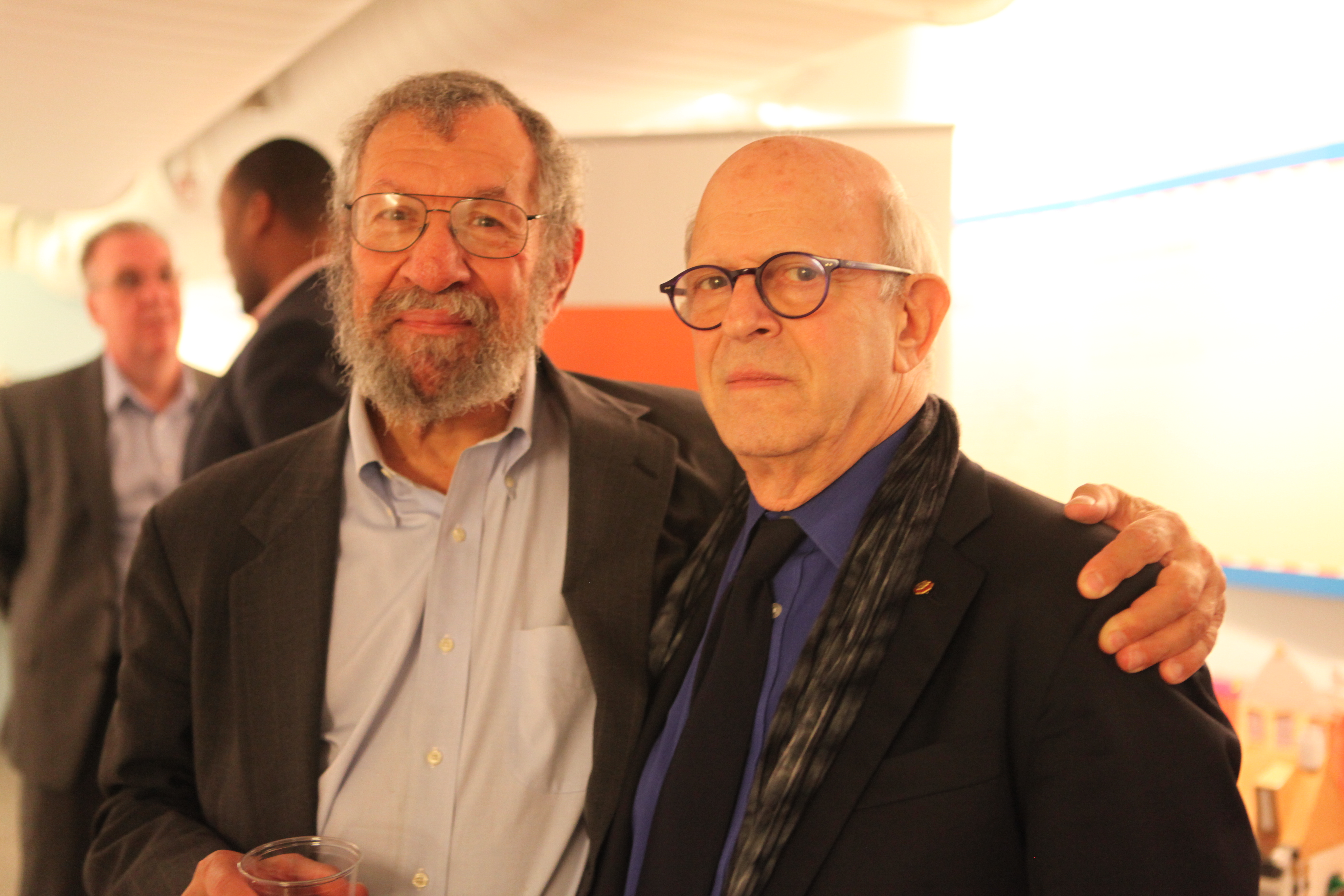
We are pleased to share the recent presentation made by Alan Mallach on the occasion of the Samuel Ratensky Memorial Lecture. The annual Ratensky Lecture, organized by the AIANY Housing Committee, honors Samuel Ratensky (1910-1972), an architect and housing official who was responsible for major New York City housing initiatives. The lecture series recognizes individuals who have made significant contributions to the advancement of housing and community design. A city planner, advocate, and writer, Mallach is nationally known for his work on housing, economic development, and urban revitalization. His presentation offers a well-informed view of current issues facing our cities. As Mallach notes, “A city cannot be a successful city without a strong economy, without strong neighborhoods, and without a diverse, productive population with opportunities to improve their lives. The last, after all, was – and should still be – the traditional promise of the city.”
– Lance Jay Brown, FAIA, 2014 AIANY President
In 1971, I had a visit from a young legal services lawyer named Peter O’Connor who was preparing a suit against a town in South Jersey. The town was named Mt. Laurel, and it was being sued on behalf of the town’s long-established but poor African-American community, which had been repeatedly frustrated in their efforts to build decent affordable housing for their members by Mt. Laurel’s zoning code.
That case led to the two NJ Supreme Court decisions, in 1975 and in 1983, that put the brakes on the use of zoning as a tool to exclude, although only up to a point, and established that every municipality had a legal obligation to provide its “fair share” – a loaded term, as it turned out – of the region’s need for affordable housing. That, in turn, prompted the NJ legislature to enact the NJ Fair Housing Act in 1985, which led to some 30,000 units of affordable housing in NJ suburbs over the next 15 years. Continue reading “Samuel Ratensky Memorial Lecture Transcript”