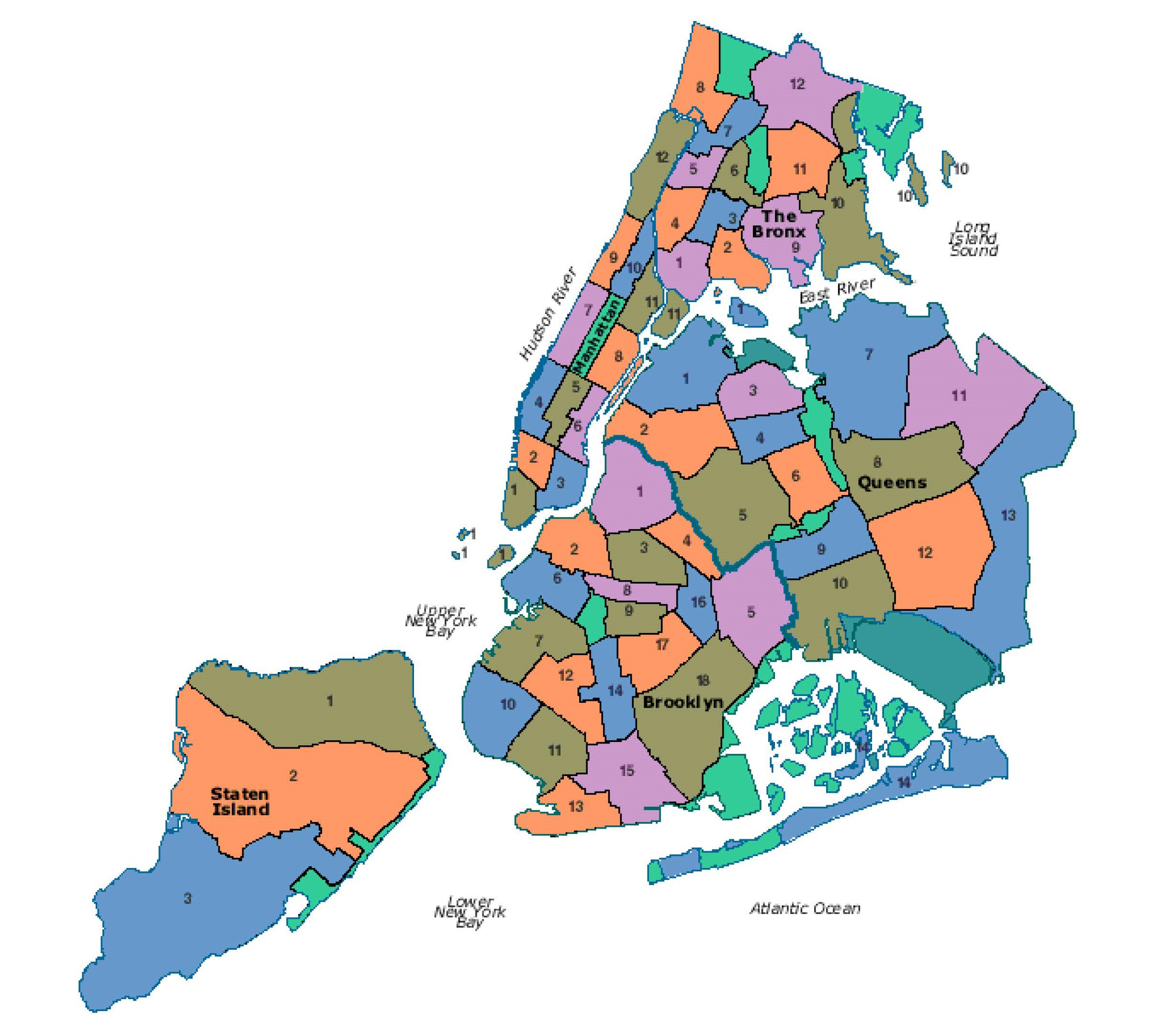
Applications for New York City’s Community Boards are now open! New Yorkers living, working, or studying in Manhattan, Brooklyn, Queens, the Bronx, and Staten Island are eligible to apply. Continue reading “Make an Impact: Apply for a Seat on Your Community Board”
Category: Policy and Advocacy
2015 in Review: The Year of the Advocate
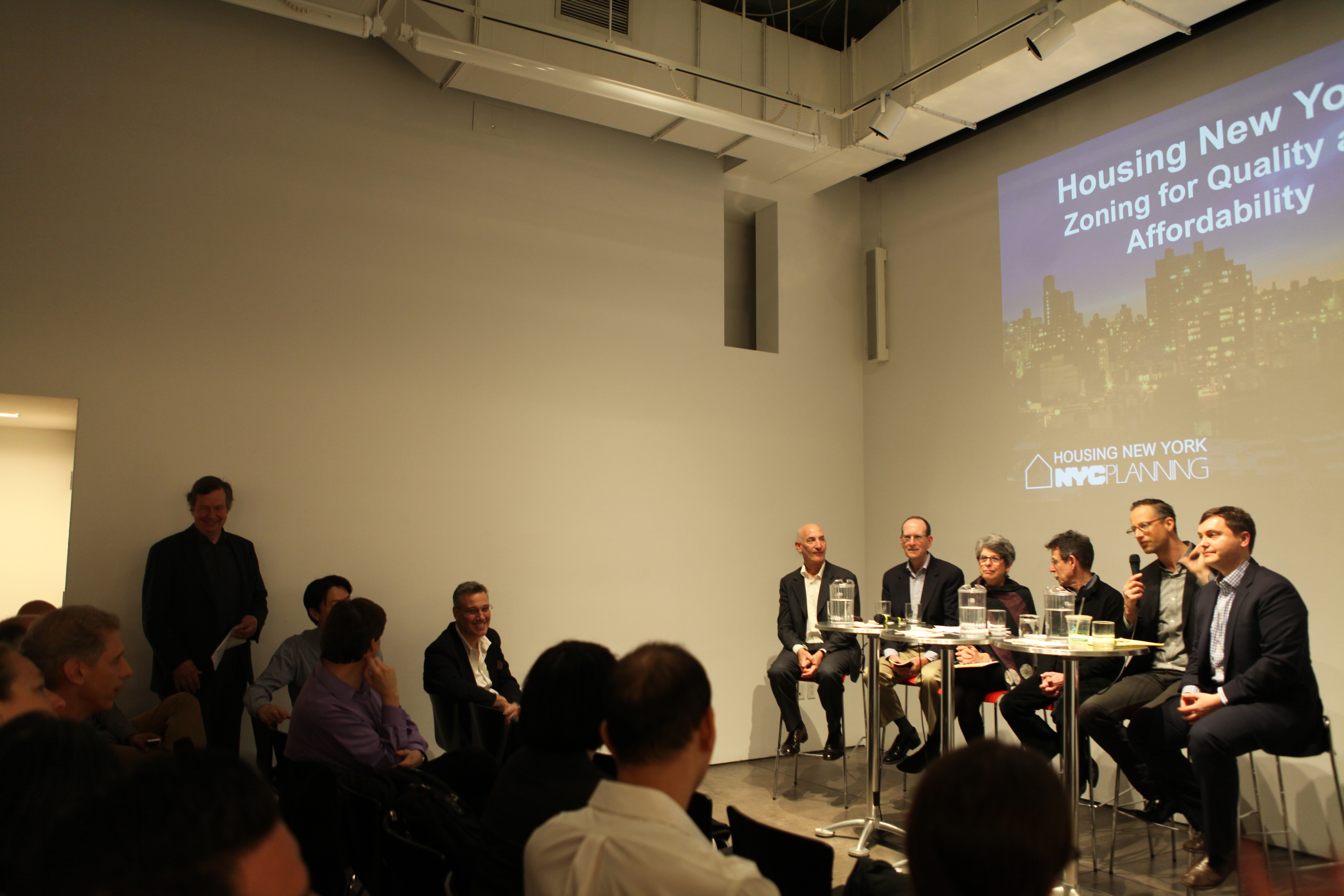
In 2015, AIANY advanced our policy initiatives. With the expertise and leadership of AIANY members, we fostered strong partnerships with government agencies and peer institutions to advocate for causes that affect all New Yorkers. Continue reading “2015 in Review: The Year of the Advocate”
At the City Planning Commission Hearing
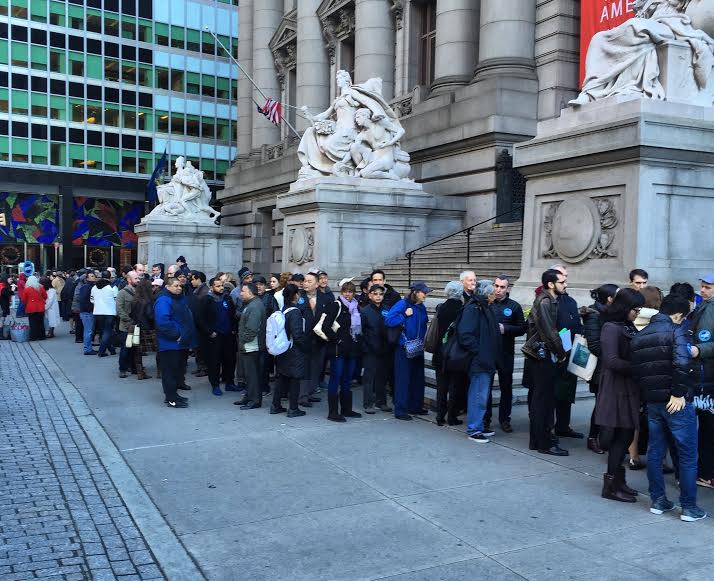
On 12.16.15, the City Planning Commission held a marathon 11-hour hearing on the NYC Department of City Planning’s Zoning for Quality and Affordability (ZQA) and Mandatory Inclusionary Housing (MIH) proposals. AIANY President Tomas Rossant, AIA, was the first architect to testify at the hearing. Continue reading “At the City Planning Commission Hearing”
Can Our Buildings Make Us Smarter? Indoor Air Quality and Brain Function
Most people spend about 90% of their time indoors. Given this reality, architects must design spaces that promote both physical and mental health. A new study from the Harvard T.H. Chan School of Public Health’s Center for Health and the Global Environment, SUNY Upstate Medical University, and Syracuse University found that improved indoor air quality doubled occupants’ cognitive function test scores.
On 12.17.15, John Mandyck from United Technologies, Professor Joseph Allen of the Harvard T.H. Chan School of Public Health, and Professor Usha Satish of SUNY Upstate Medical University will present the findings and implications of this important study. At “The Air We Breathe: Brain Function and IEQ,” organized by Urban Green Council, speakers will address the impact of indoor environmental air quality on human health and performance, and discuss what these results mean for the design of our offices and homes. Continue reading “Can Our Buildings Make Us Smarter? Indoor Air Quality and Brain Function”
Lobbying Law Legacy
Last week, the Lobbying Bureau of the City of New York announced that on 01.01.16, a six-month amnesty period will begin, as mandated by Local Law 129 of 2013. The law intends to strengthen compliance with New York City’s lobbying law, and the amnesty period allows individuals and organizations who should have – but have not yet – filed lobbying reports without incurring penalties. Continue reading “Lobbying Law Legacy”
FitCity 10 Report: A Look at the Past and Future of the Active Design Movement
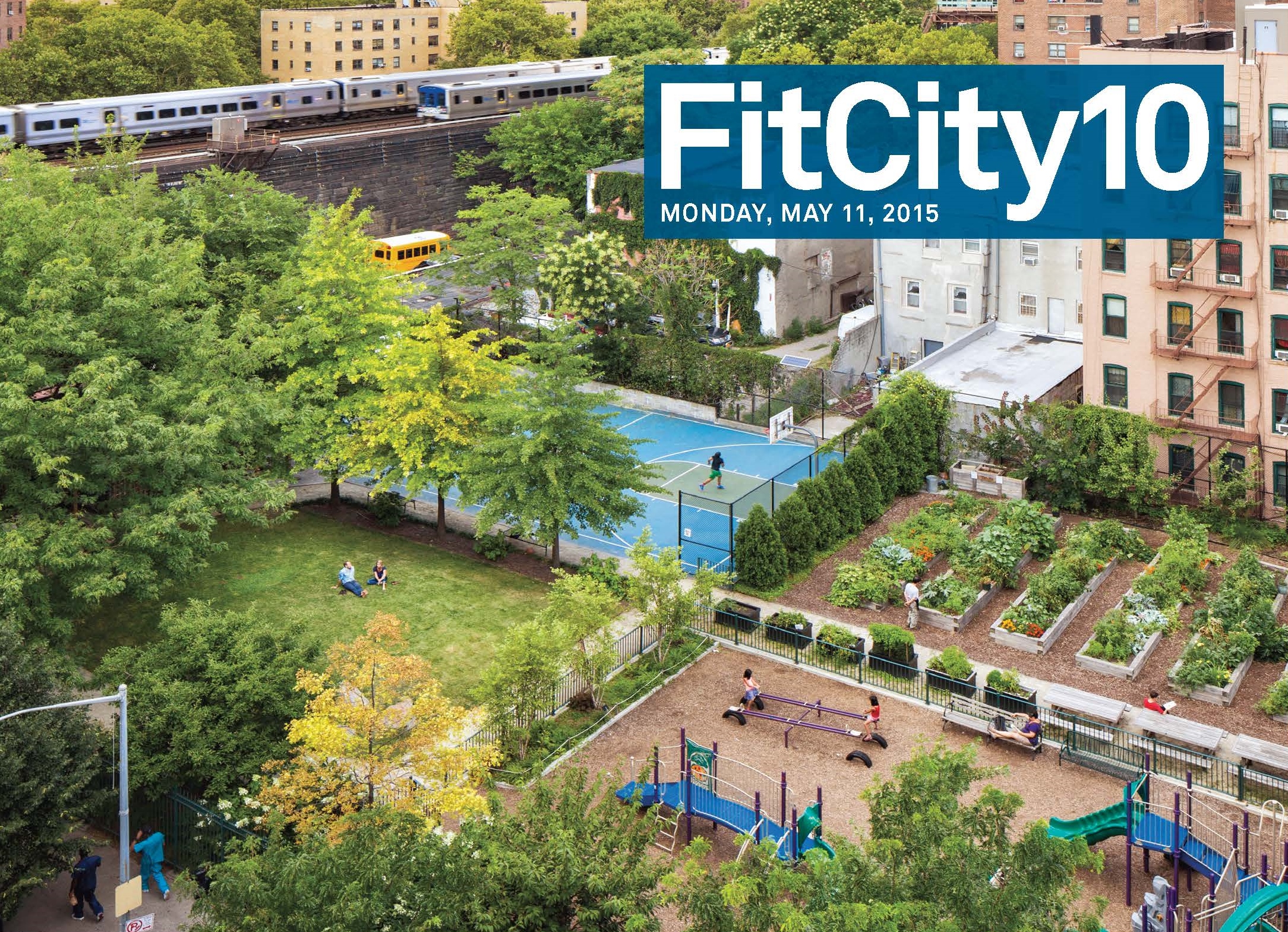
Now available online and at the Center for Architecture, the FitCity 10 Report celebrates 10 years of FitCity! In addition to a summary of the conference in May, the publication includes a synopsis of past Active Design milestones and speaks to the future. Active Design initiatives have created healthier spaces and communities; the report highlights those achievements, and emphasizes the importance of public and private involvement in the movement. Continue reading “FitCity 10 Report: A Look at the Past and Future of the Active Design Movement”
Maintaining Diversity and Stimulating Growth in the Face of Gentrification
How can NYC neighborhoods remain diverse in the face of gentrification? What financial and policy-related tools can local, state, and federal governments deploy to better prepare neighborhoods for change? How should the city partner with relevant stakeholders? Continue reading “Maintaining Diversity and Stimulating Growth in the Face of Gentrification”
City Planning Efforts Move Forward: ZQA Enters ULURP
For the last eight months, AIANY has reviewed the NYC Department of City Planning’s Zoning for Quality and Affordability proposal, and convened lively discussions about its merits. We strongly agree that a modest increase in building height limits, along with a number of other changes to create a more flexible envelope, will facilitate additional sites for development while improving the quality of buildings in every neighborhood. Continue reading “City Planning Efforts Move Forward: ZQA Enters ULURP”
Promoting Healthy Living from the Nexus of Healing
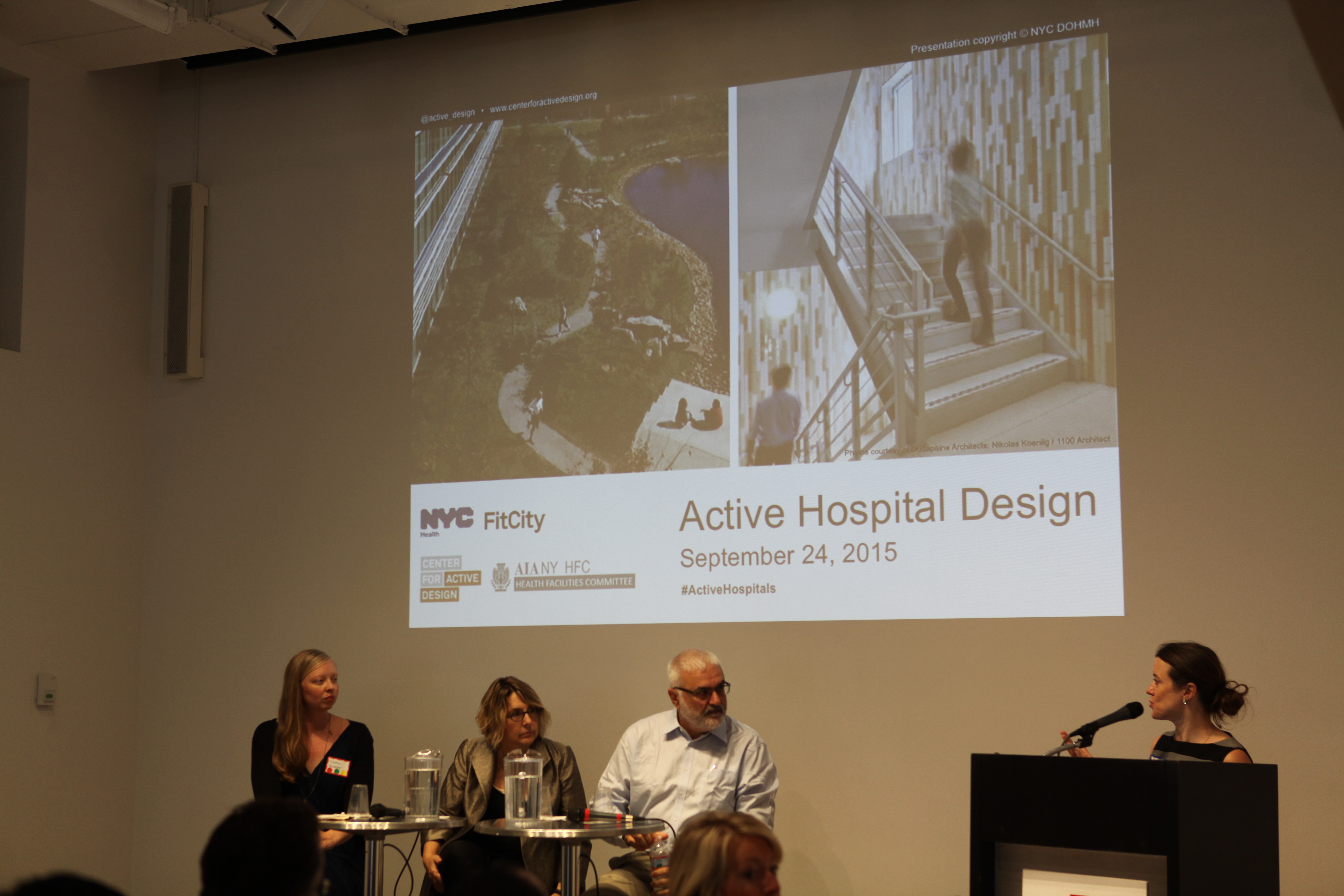
Hospitals primarily treat the sick, responding to patients with chronic illnesses. But what if they instead operated to prevent disease in the communities they serve? Hospitals have the potential to positively impact neighborhoods through healthier design and development practices, shifting their focus to preventing disease and promoting health among patients, staff, visitors, and entire communities. Continue reading “Promoting Healthy Living from the Nexus of Healing”
Equity and Urban Development
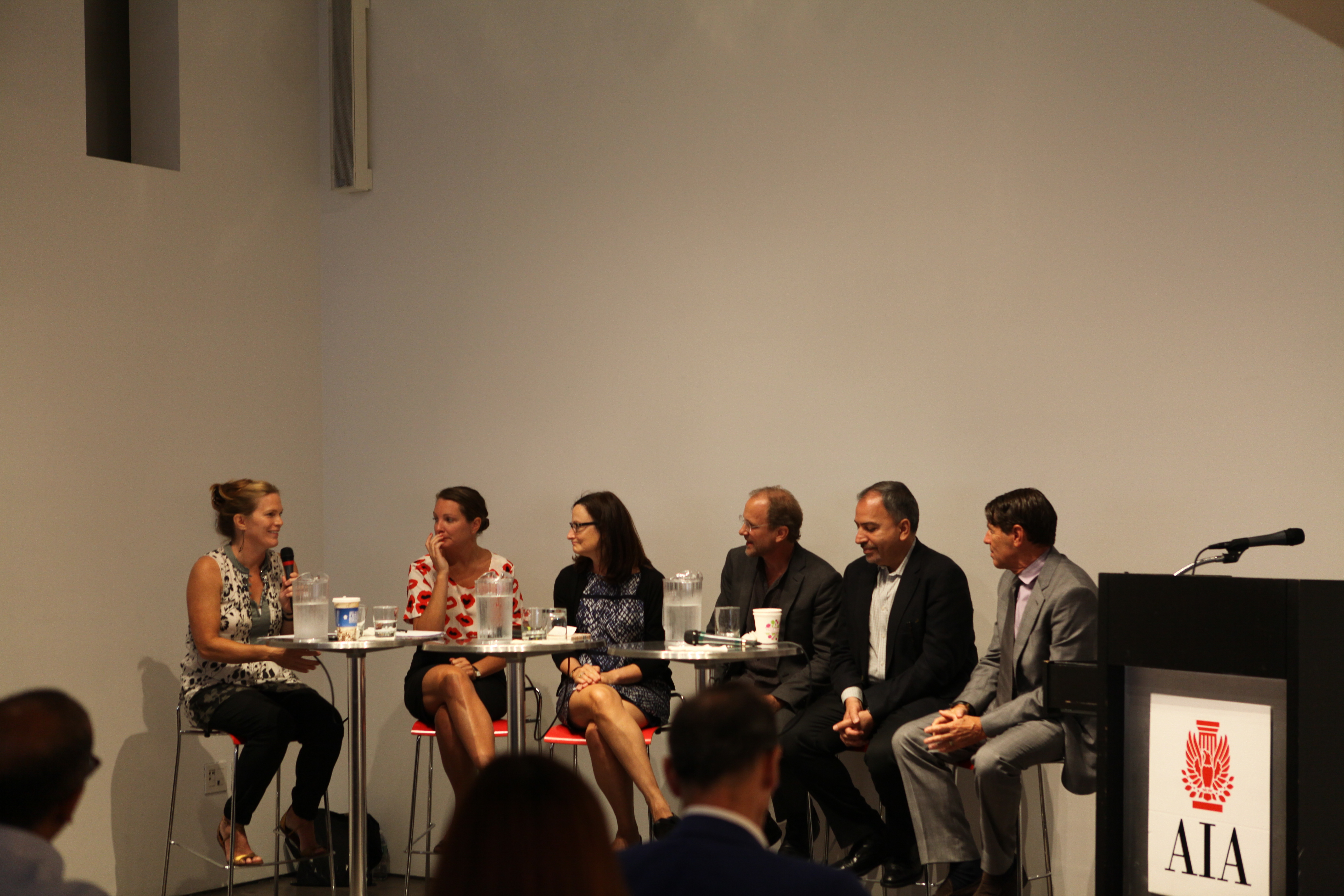
AIANY collaborated with the Public Design Commission of the City of New York on the second event in a series of panels discussing the role of design in bringing equity to the public realm. On 09.16.15, “Equity and Urban Development” brought together architects, developers, and representatives of city government and non-profit organizations who share a common vision. Continue reading “Equity and Urban Development”