Architects, Your Vote Matters

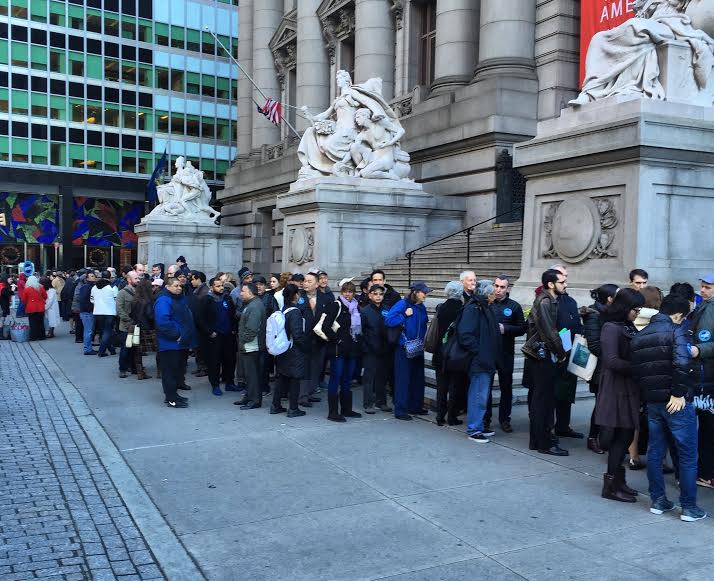
Register to vote! The Presidential primaries are already upon us, and the AIA wants every architect to take part in the political process. AIA member participation in the upcoming elections is critical to advancing policies that help architects design better buildings and communities.

If you have not already registered to vote, the AIA Advocacy Action Center can help you. There, you can also stay informed. The AIA 2016 Presidential Candidate Profiles feature candidates’ stances on the issues that impact architects most to ensure that AIA members make informed decisions.

New York’s primary is 04.19.16. Continue reading “Architects, Your Vote Matters”
The Influence of Zoning: Architects Advocate for Change

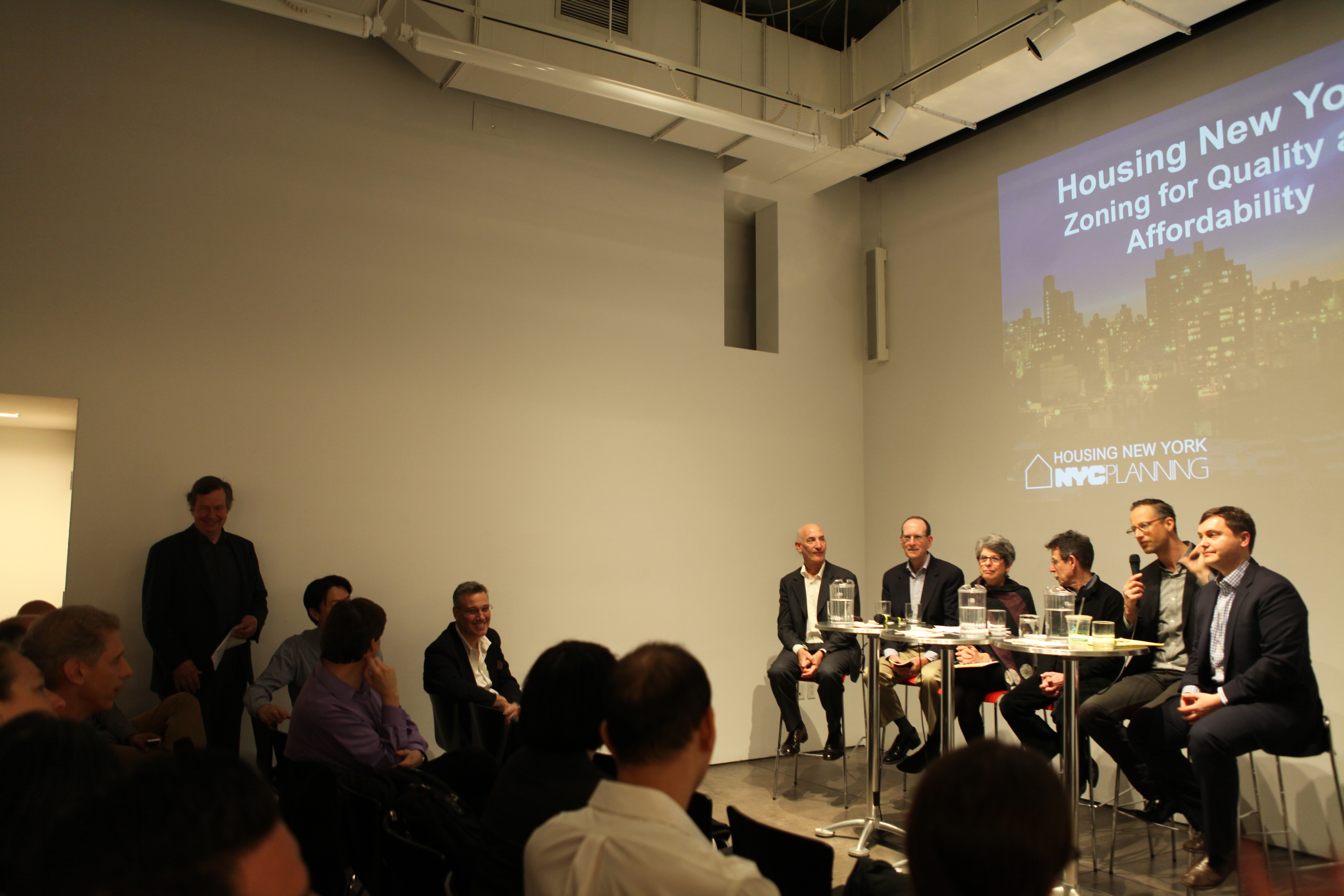
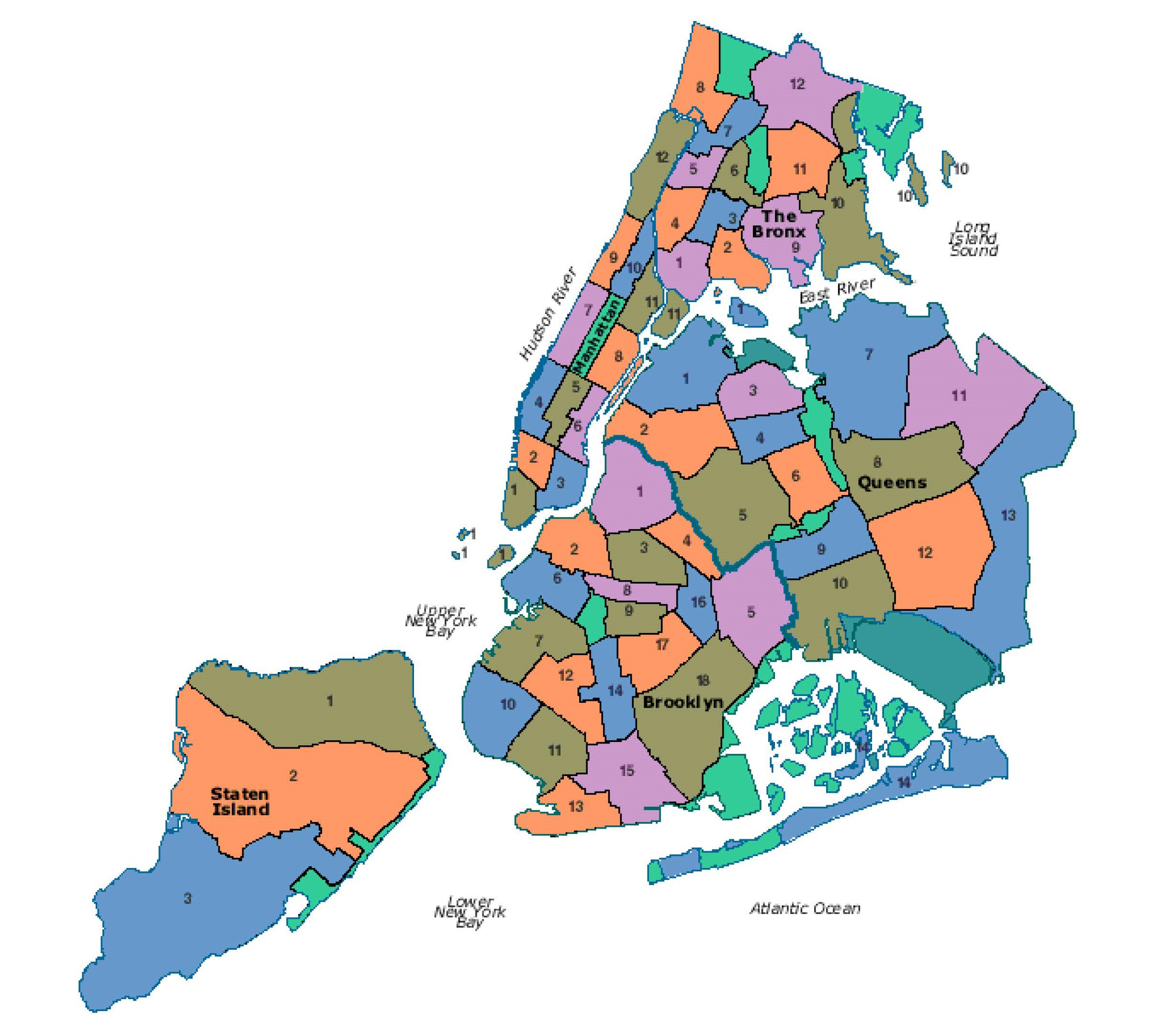
The final public hearing on the NYC Department of City Planning’s Zoning for Quality and Affordability (ZQA) proposal took place on 02.10.16 before the City Council Subcommittee on Zoning and Franchises. The hearing came after the City Planning Commission voted to approve a slightly updated version of the text on 02.03.16. Continue reading “The Influence of Zoning: Architects Advocate for Change”

Can Our Buildings Make Us Smarter? Indoor Air Quality and Brain Function

Most people spend about 90% of their time indoors. Given this reality, architects must design spaces that promote both physical and mental health. A new study from the Harvard T.H. Chan School of Public Health’s Center for Health and the Global Environment, SUNY Upstate Medical University, and Syracuse University found that improved indoor air quality doubled occupants’ cognitive function test scores.

On 12.17.15, John Mandyck from United Technologies, Professor Joseph Allen of the Harvard T.H. Chan School of Public Health, and Professor Usha Satish of SUNY Upstate Medical University will present the findings and implications of this important study. At “The Air We Breathe: Brain Function and IEQ,” organized by Urban Green Council, speakers will address the impact of indoor environmental air quality on human health and performance, and discuss what these results mean for the design of our offices and homes. Continue reading “Can Our Buildings Make Us Smarter? Indoor Air Quality and Brain Function”

Lobbying Law Legacy

Last week, the Lobbying Bureau of the City of New York announced that on 01.01.16, a six-month amnesty period will begin, as mandated by Local Law 129 of 2013. The law intends to strengthen compliance with New York City’s lobbying law, and the amnesty period allows individuals and organizations who should have – but have not yet – filed lobbying reports without incurring penalties. Continue reading “Lobbying Law Legacy”

FitCity 10 Report: A Look at the Past and Future of the Active Design Movement

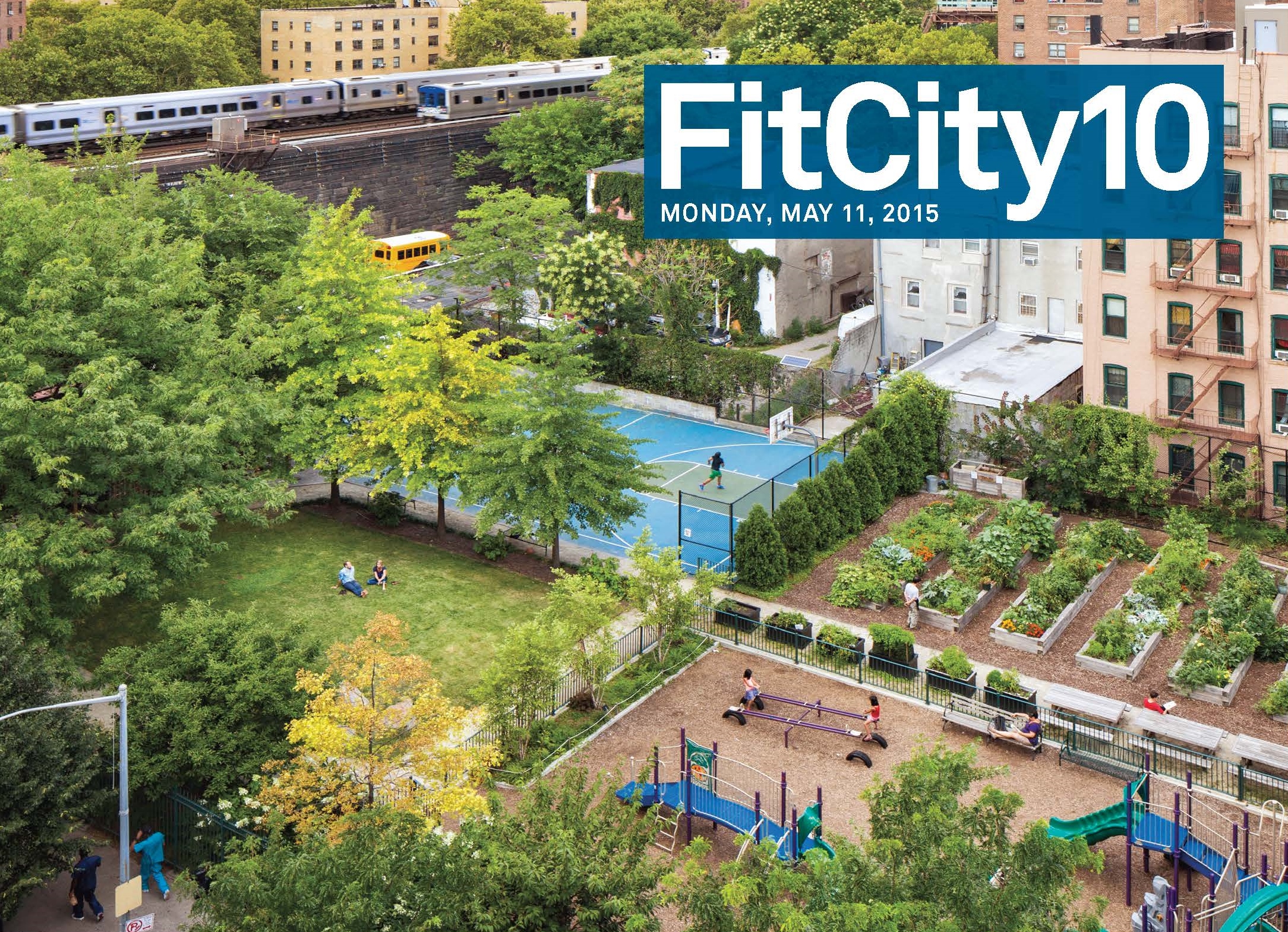
Now available online and at the Center for Architecture, the FitCity 10 Report celebrates 10 years of FitCity! In addition to a summary of the conference in May, the publication includes a synopsis of past Active Design milestones and speaks to the future. Active Design initiatives have created healthier spaces and communities; the report highlights those achievements, and emphasizes the importance of public and private involvement in the movement. Continue reading “FitCity 10 Report: A Look at the Past and Future of the Active Design Movement”

Maintaining Diversity and Stimulating Growth in the Face of Gentrification

How can NYC neighborhoods remain diverse in the face of gentrification? What financial and policy-related tools can local, state, and federal governments deploy to better prepare neighborhoods for change? How should the city partner with relevant stakeholders? Continue reading “Maintaining Diversity and Stimulating Growth in the Face of Gentrification”

City Planning Efforts Move Forward: ZQA Enters ULURP

For the last eight months, AIANY has reviewed the NYC Department of City Planning’s Zoning for Quality and Affordability proposal, and convened lively discussions about its merits. We strongly agree that a modest increase in building height limits, along with a number of other changes to create a more flexible envelope, will facilitate additional sites for development while improving the quality of buildings in every neighborhood. Continue reading “City Planning Efforts Move Forward: ZQA Enters ULURP”