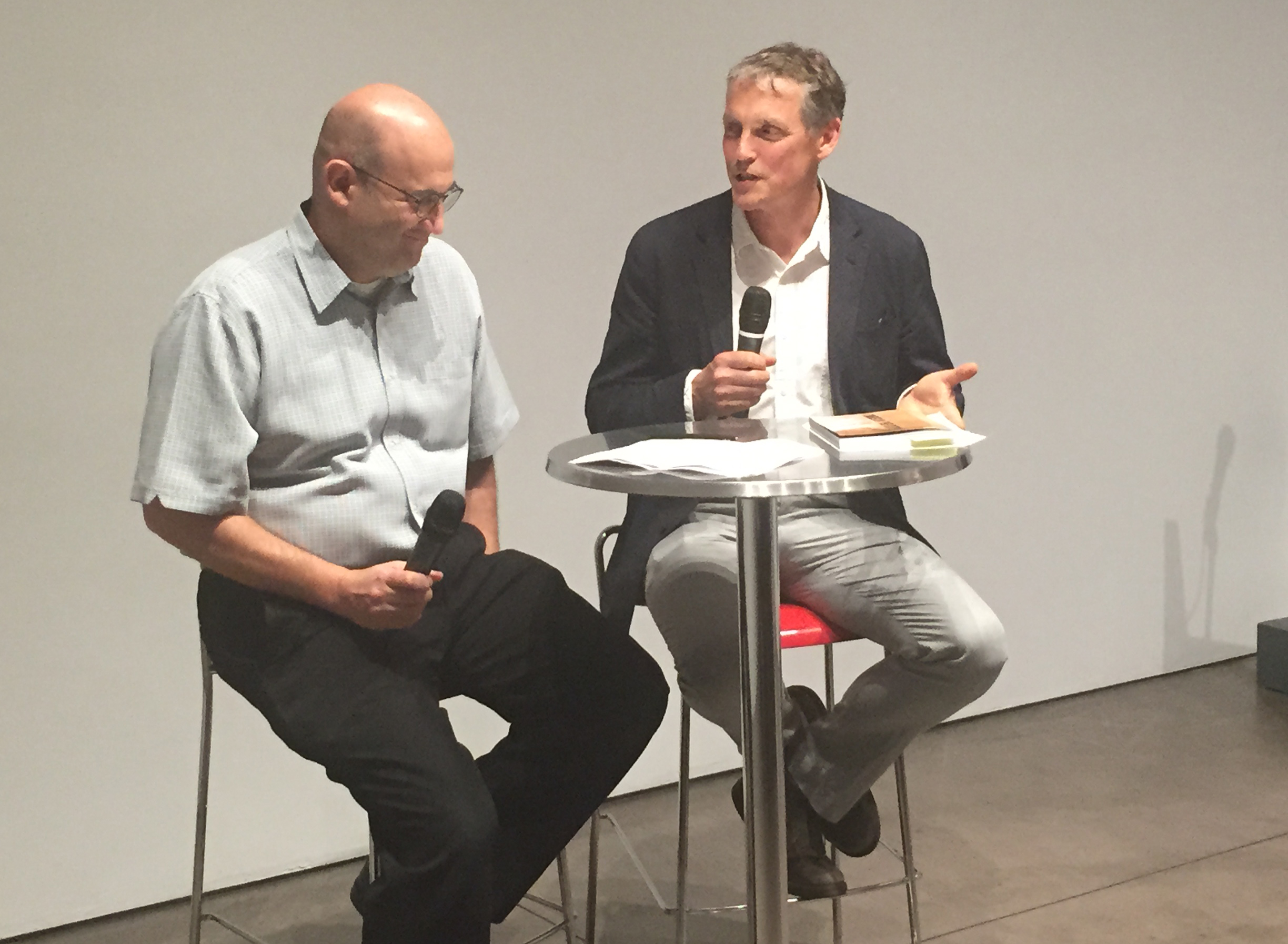
On 06.18.15, Andrew Bernheimer, AIA, NCARB, partner at Bernheimer Architecture, and Alan Organschi, partner at Gray Organschi Architecture, spoke about their book, Timber in the City: Design and Construction in Mass Timber, at the Center for Architecture’s monthly Oculus Book Talk. The book is a compilation of essays, innovative mass timber projects by committed practitioners, and student winners of the Timber in the City Competition sponsored by Association of Collegiate Schools of Architecture, the Binational Softwood Lumber Council, and Parsons The New School for Design. Continue reading “Oculus Book Review: Timber in the City edited by Andrew Bernheimer, AIA, NCARB”
Author: Annie Coggan
Oculus Book Review: Tactical Urbanism by Mike Lydon and Anthony Garcia
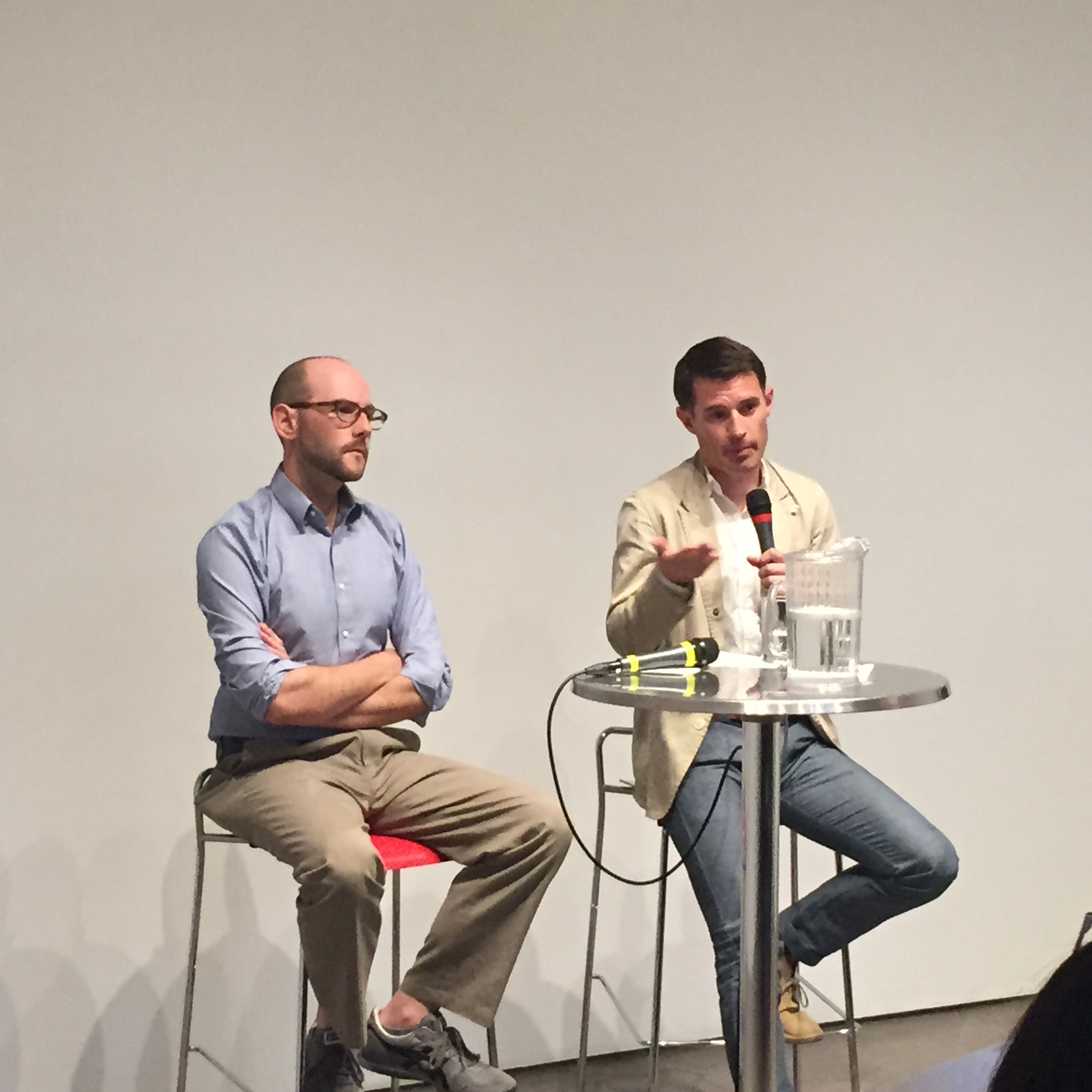
On 05.04.15, Mike Lydon, principal of The Street Plans Collaborative, spoke about Tactical Urbanism: Short Term Action for Long Term Change, co-authored with his partner Anthony Garcia. Lydon and Garcia head a research advocacy firm that has crafted an ideology around placemaking and small-scale urban activism. Lydon’s talk at the Center for Architecture was entrepreneurial in tone and presented a clear and exciting set of new methods to think about and navigate citizen-led urbanism. He put forward case studies and examples that illustrate his belief that the tools designers are equipped with in school might not be the most useful in many urban applications. He contends that the evocative rendering may have to be rethought as a communication tool for designers. His work in “tactical urbanism” holds the key. Continue reading “Oculus Book Review: Tactical Urbanism by Mike Lydon and Anthony Garcia”
Oculus Book Review: Radical Cities: Across Latin America in Search of a New Architecture by Justin McGuirk

British author and critic Justin McGuirk’s talk about his recent book, Radical Cities: Across Latin America in Search of a New Architecture, on 04.6.15 at the Center for Architecture, was a thorough account of his preoccupation with improvisational/informal housing in ultra-urban Latin American cities, and the role of the activist architect in these extreme conditions. The event brought together McGuirk with Miguel Robles-Durán, professor of Urbanism at Parsons The New School. The slide presentation elegantly highlighted the photographs, in particular those by Cristobal Patima, and established the scale of engagement that McGuirk is so expert at discussing. Robles-Durán reminded us that the book illustrates a very particular time in the history of Latin American housing development, and put forward a theoretical conversation of the neoliberal forces reckoning with social urbanism. The power of McGuirk’s book is that he strays away from theoretical constructs; his search for radical solutions is pure. Continue reading “Oculus Book Review: Radical Cities: Across Latin America in Search of a New Architecture by Justin McGuirk”
Oculus Book Review: Extrastatecraft: The Power of Infrastructure Space, by Keller Easterling
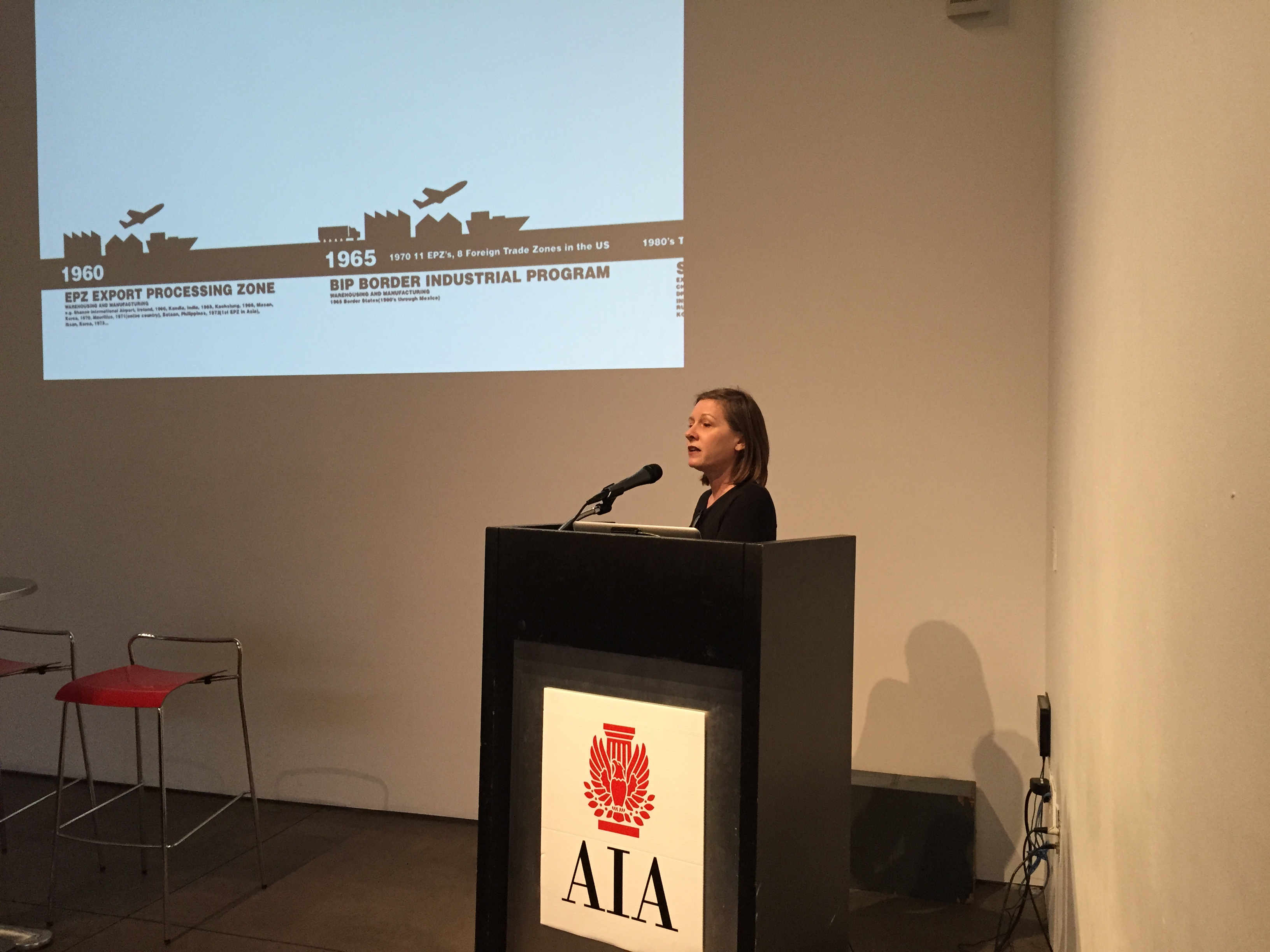
On 03.16.15 the Center for Architecture hosted Keller Easterling, a professor at the Yale School of Architecture, to discuss her latest book, Extrastatecraft: The Power of Infrastructure Space. As attendees walked into the Center’s lecture hall, Easterling projected a dramatic flyover of a glittering city of fiber-optic optimization with diamond- and dolphin-shaped buildings. In a continuous loop, the animation showed urban space and order, form and function – but it was scary. Was the audience to think it was so bad it was cool? Is Easterling intimating that there was an aesthetic to embrace? Was it offered up as something to correct or something to embrace? Is she a pro-Matrix (as in the movie franchise) Denise Scott Brown? Easterling’s delivery is journalistic in tone but disconcertingly optimistic. Her balletic cadence was compelling, and drifted in and out of preacher-like caution against neoliberalism and a gamer’s excitement of this new realm of nongovernmental parameters and freedoms. Continue reading “Oculus Book Review: Extrastatecraft: The Power of Infrastructure Space, by Keller Easterling”
Oculus Book Review: Architecture/Astrology
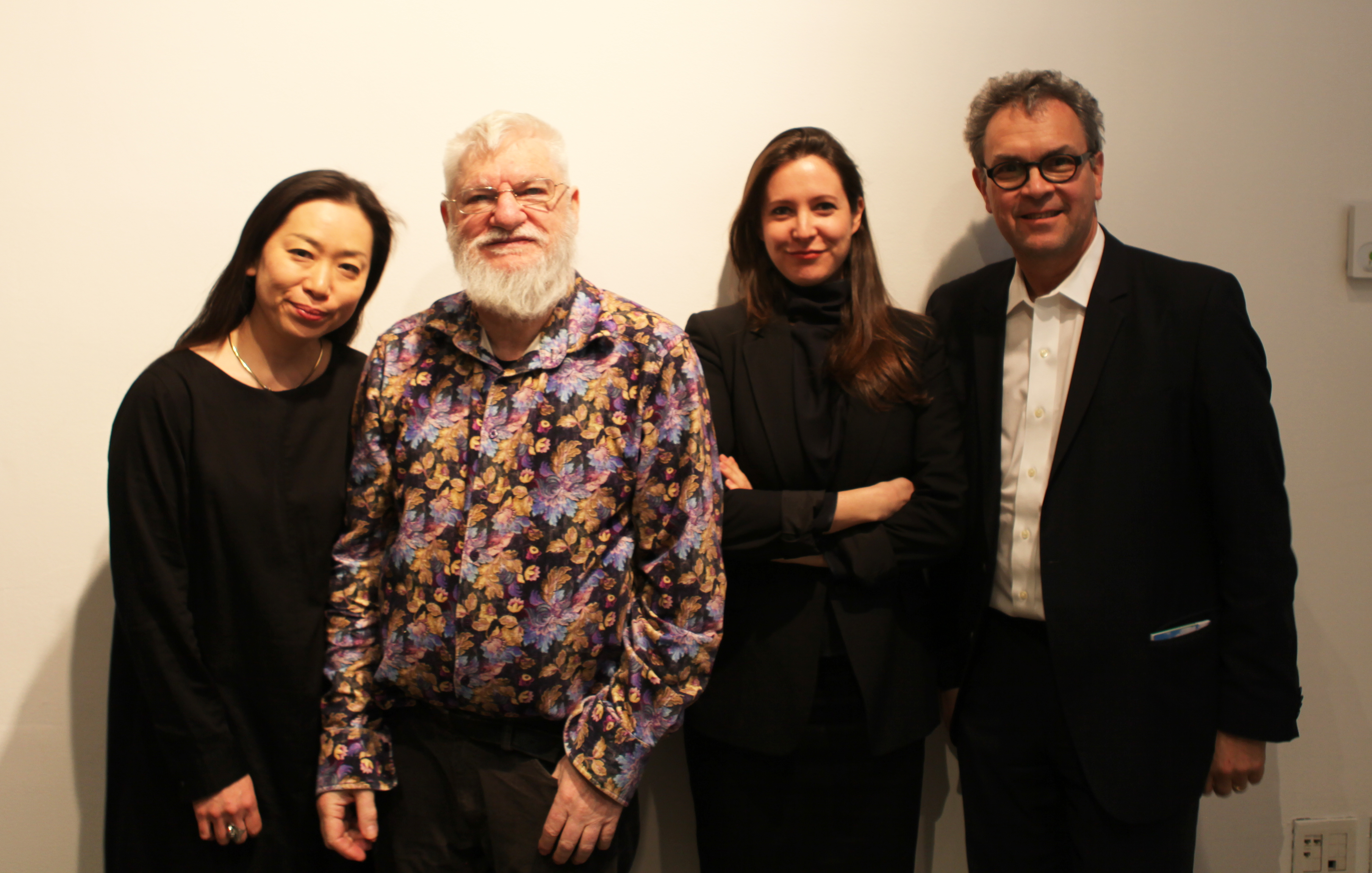
The Center for Architecture’s 02.09.15 Oculus Book Talk celebrated a small and provocative book, Architecture/Astrology. Devised by artists Dan Graham and Mieko Meguro and architect Jessica Russell, this volume compiles a column Graham put forth in Domus magazine from 2010 to 2011. The small black book contains a combination of Graham’s intense and illuminating commentary on architects’ true nature via astrology, Meguro’s absorbing and succinct sketchbook drawings, and Russell’s pointed references to the stars (real, non-architecture stars), which make for a charming bonbon. In the forum of the tOculus Book Talk this cavalcade of energy was extremely entertaining. Continue reading “Oculus Book Review: Architecture/Astrology”
Oculus Book Review: Urban Alchemy: Restoring Joy in America’s Sorted-Out Cities
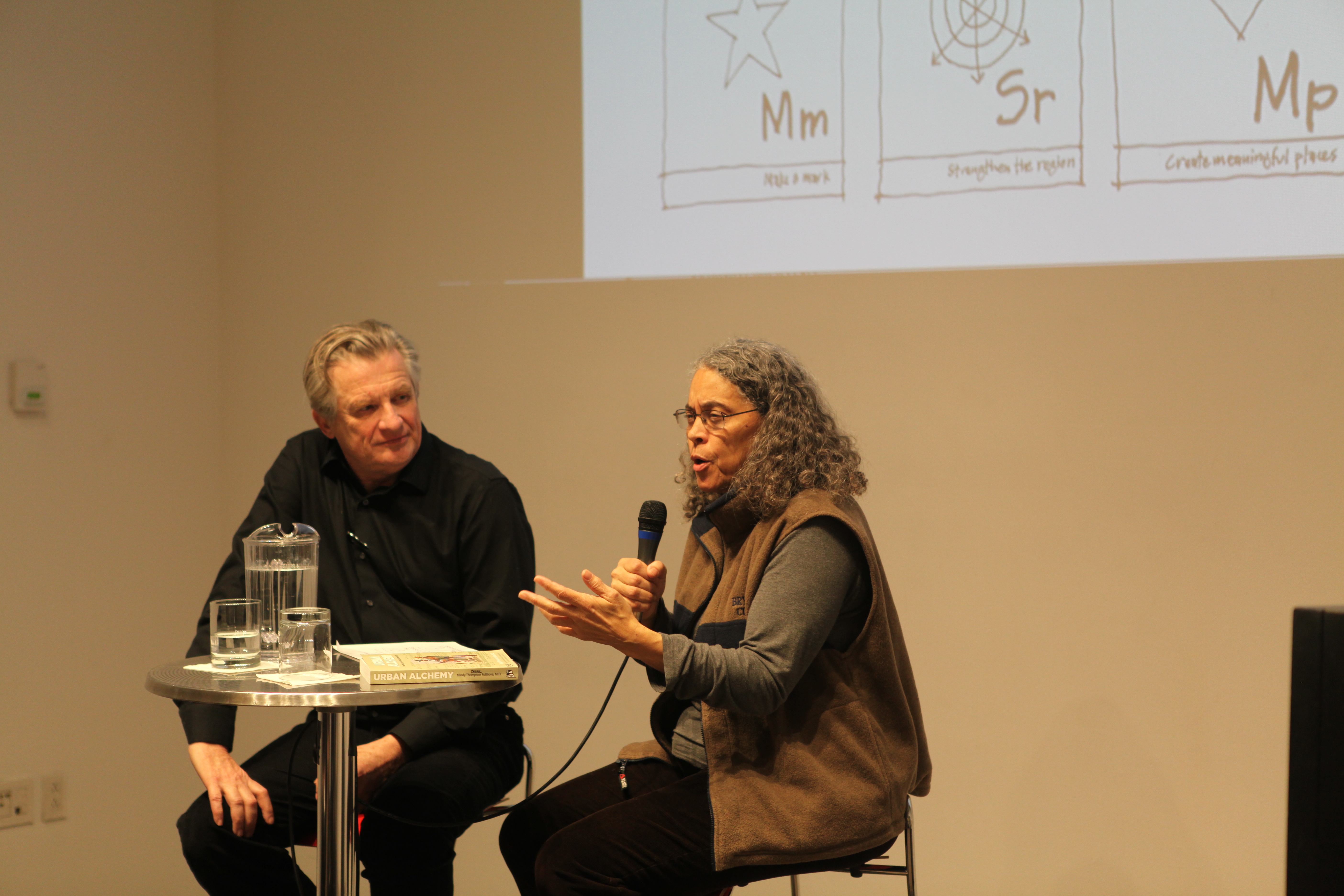
Urban Alchemy: Restoring Joy in America’s Sorted-Out Cities is fundamentally a healthy book about urbanism, written by clinical psychiatrist Mindy Thompson Fullilove, MD. The book’s analysis is a practice of hands-on urbanism worked through the lens of Fullilove’s research on public health issues in distraught urban areas. Organized in nine elements meant to heal broken cities, the book is actually a collection of bright and joyous urban tales played out by Fullilove, an exuberant storyteller. The nine points are measurements prescribed by Fulliliove’s mentor and colleague, urbanist Michel Cantal-Depart. Jean Nouvel, Hon. FAIA, writes in the introduction of Cantal-Depart’s magpie demeanor and ability to “map” the terrain of a new project/city not just abstractly, but spiritually. Continue reading “Oculus Book Review: Urban Alchemy: Restoring Joy in America’s Sorted-Out Cities”
Oculus Book Review: “New York’s New Edge: Contemporary Art, the High Line, and Urban Megaprojects on the Far West Side”
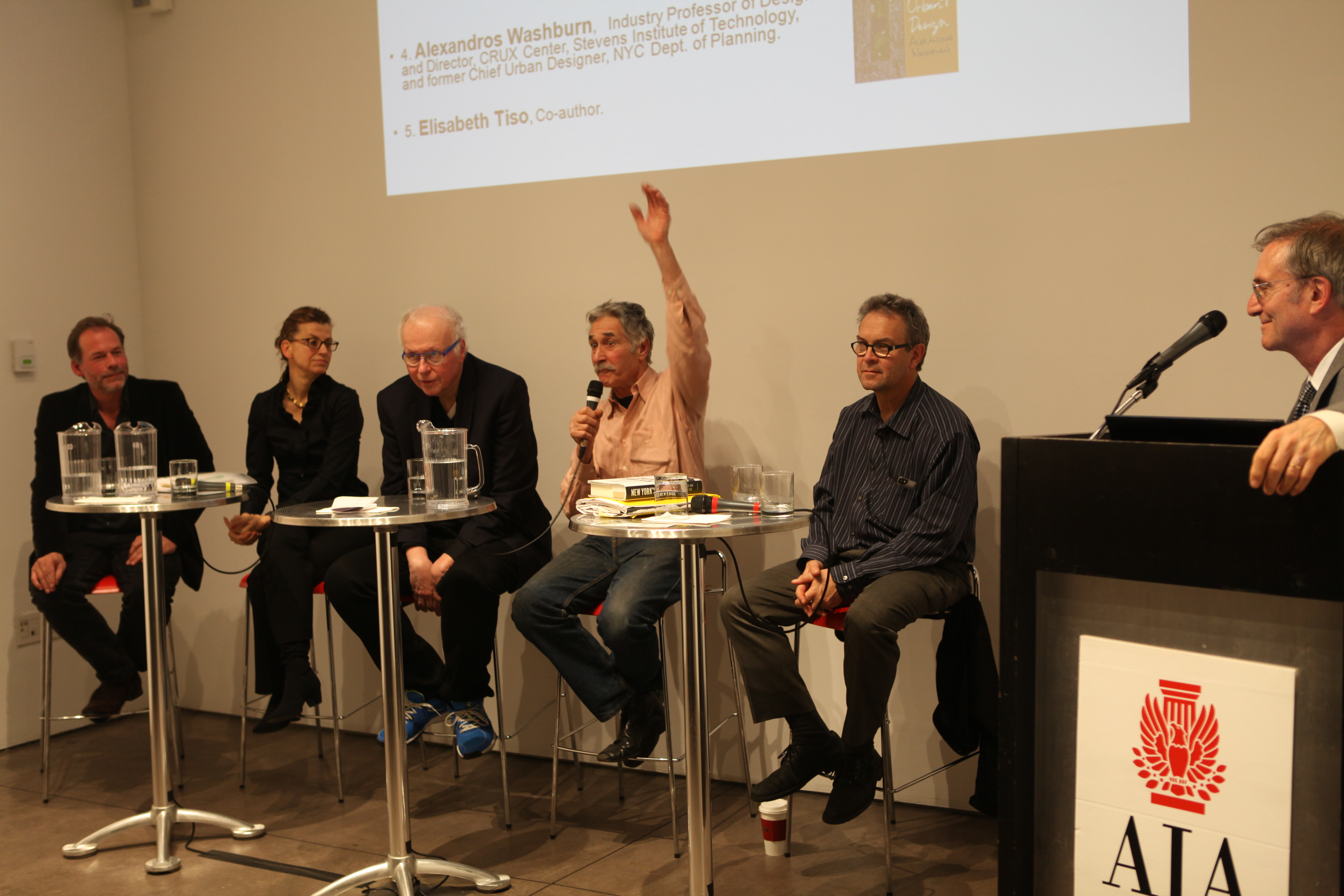
David Halle and Elizabeth Tiso’s newest endeavor, New York’s New Edge: Contemporary Art, the High Line, and Urban Megaprojects on the Far West Side, is a chronicle of Manhattan’s West Side development from the 1970s to the present. The authors explore the art boom in Chelsea, the birth of the High Line and the crafting of the Meatpacking District, the failed attempts at codifying urban activity around the Javits Center, and, finally, an inquiry into the art life of the Lower East Side (LES). Continue reading “Oculus Book Review: “New York’s New Edge: Contemporary Art, the High Line, and Urban Megaprojects on the Far West Side””
Oculus Book Review: Paradise Planned: The Garden Suburb and the Modern City, by Robert A.M. Stern, David Fishman, and Jacob Tilove
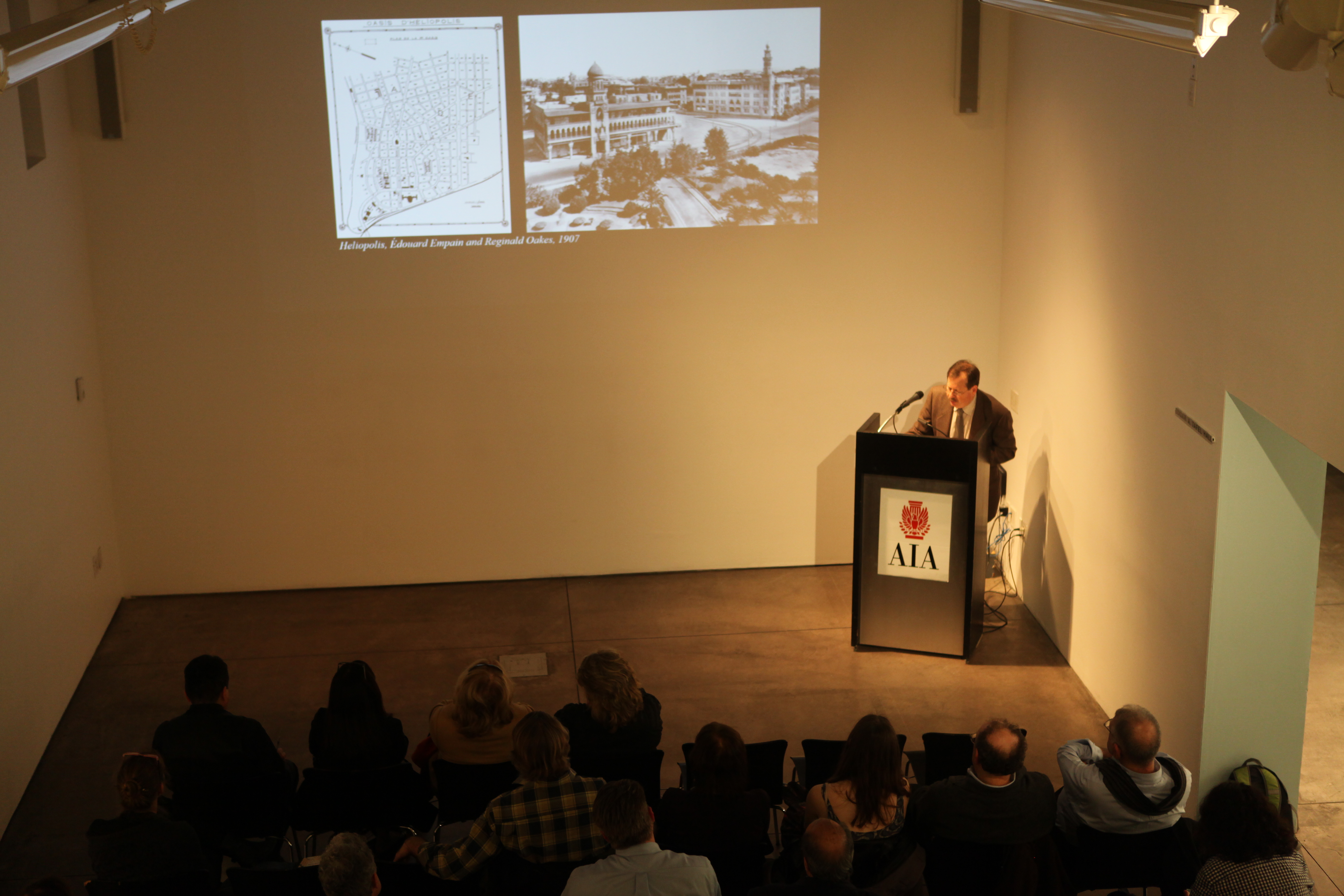
As AIANY Executive Director Rick Bell, FAIA, cited in his introduction during the 11.10.14 Oculus Book Talk at the Center for Architecture, for the casual reader there are many surprises to be found in the text Paradise Planned: The Garden Suburb and the Modern City, by Robert A.M. Stern, David Fishman, and Jacob Tilove. The premise of the book is to redefine the “Modern City” in light of the evolution of suburbs, and to make suburbs not such a “bad” word. Co-author David Fishman spoke about this epic project. Fishman’s talk was decidedly populist, and ardently comprehensive. He was able to engage the audience in the greatest hits of the book, show the evolution of the Garden Suburb ideal, and adeptly entertain with his rapid-fire delivery. Continue reading “Oculus Book Review: Paradise Planned: The Garden Suburb and the Modern City, by Robert A.M. Stern, David Fishman, and Jacob Tilove”
Oculus Book Review: Casablanca Chandigarh: A Report on Modernization
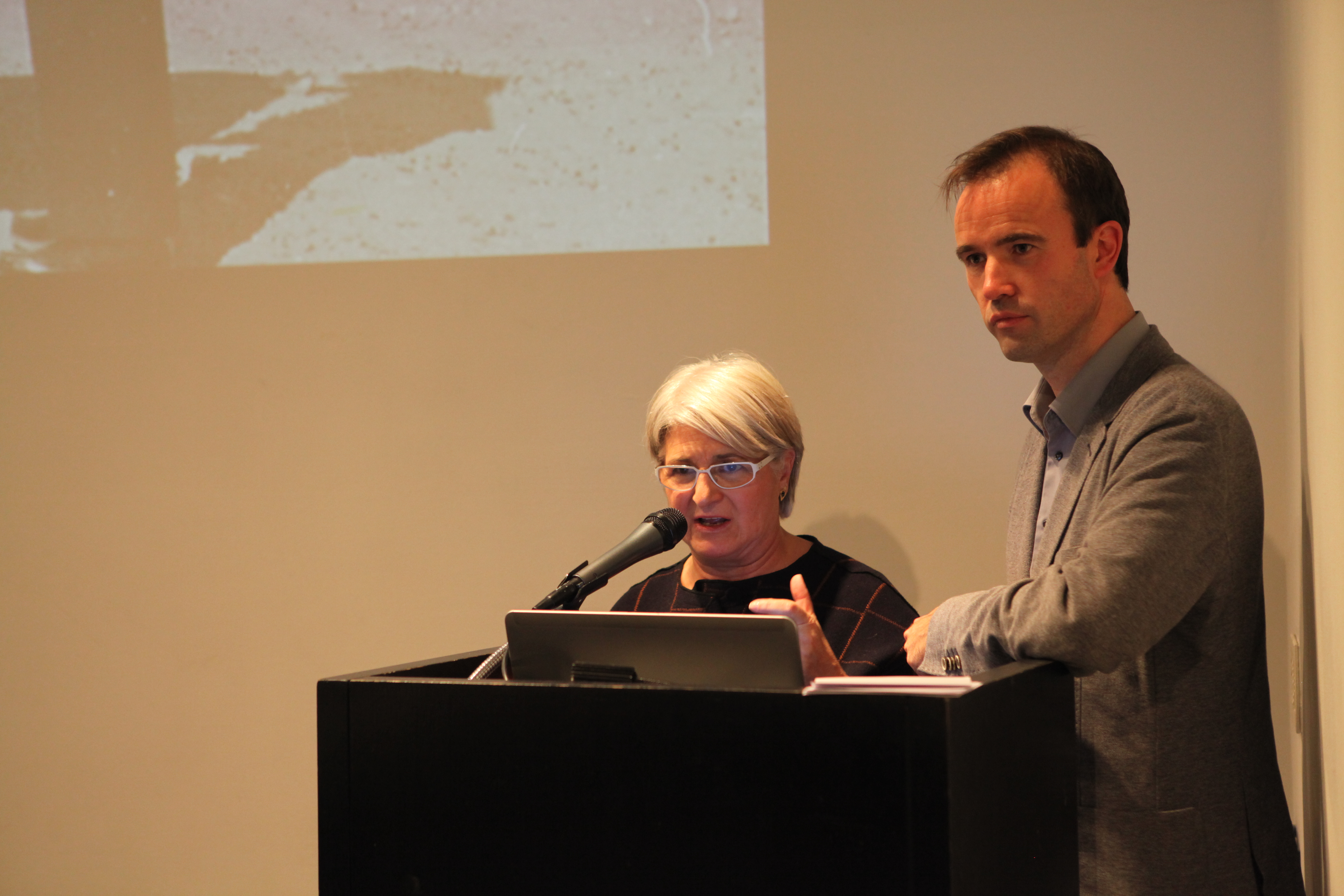
It was a tremendous treat to hear scholars Tom Avermaete and Maristella Casciato discuss their process and share the evolution of the exhibition and subsequent publication Casablanca Chandigarh: A Report on Modernization on 10.06.14 at the Center for Architecture. Rarely is one privy to the process of assembling an architectural exhibition, and rarely is a book so close to the didactic mechanism of an exhibition. Avermaete and Casciato walked the audience through the intellectual findings of new material from the Pierre Jeanneret archive via the Canadian Centre for Architecture archive, and married the Jeanneret material on Chandigarh with research on its sister city in Modernism, Casablanca. Avermaete and Casciato crafted the exhibition and book around the idea that these two cities are a product of the history of Modernist ideals, and that they have worn exceedingly well as Modernist cities filled with inhabitants.
Avermaete and Casciato set up the story of the two cities with two heroes: Le Corbusier and Michel Ecochard (of course all Modernism needs a male hero). Le Corbusier’s story is typical: he glides through the countryside on his first visit to India with his sketchbook and romantically sketches half as journalist, half as visionary. The Punjab Notebook was described by Avermaete and Casciato as a prophetic manuscript, an example of the poetic research that Corbusier invented. With Casablanca, Ecochard is a dashing pilot and motorcyclist whose aerial photos and critical photojournalistic images developed into a rich method of anthropological research. Avermaete and Casciato cite the methods of both architects as valid. Continue reading “Oculus Book Review: Casablanca Chandigarh: A Report on Modernization”
Oculus Book Review: “Szenasy, Design Advocate”
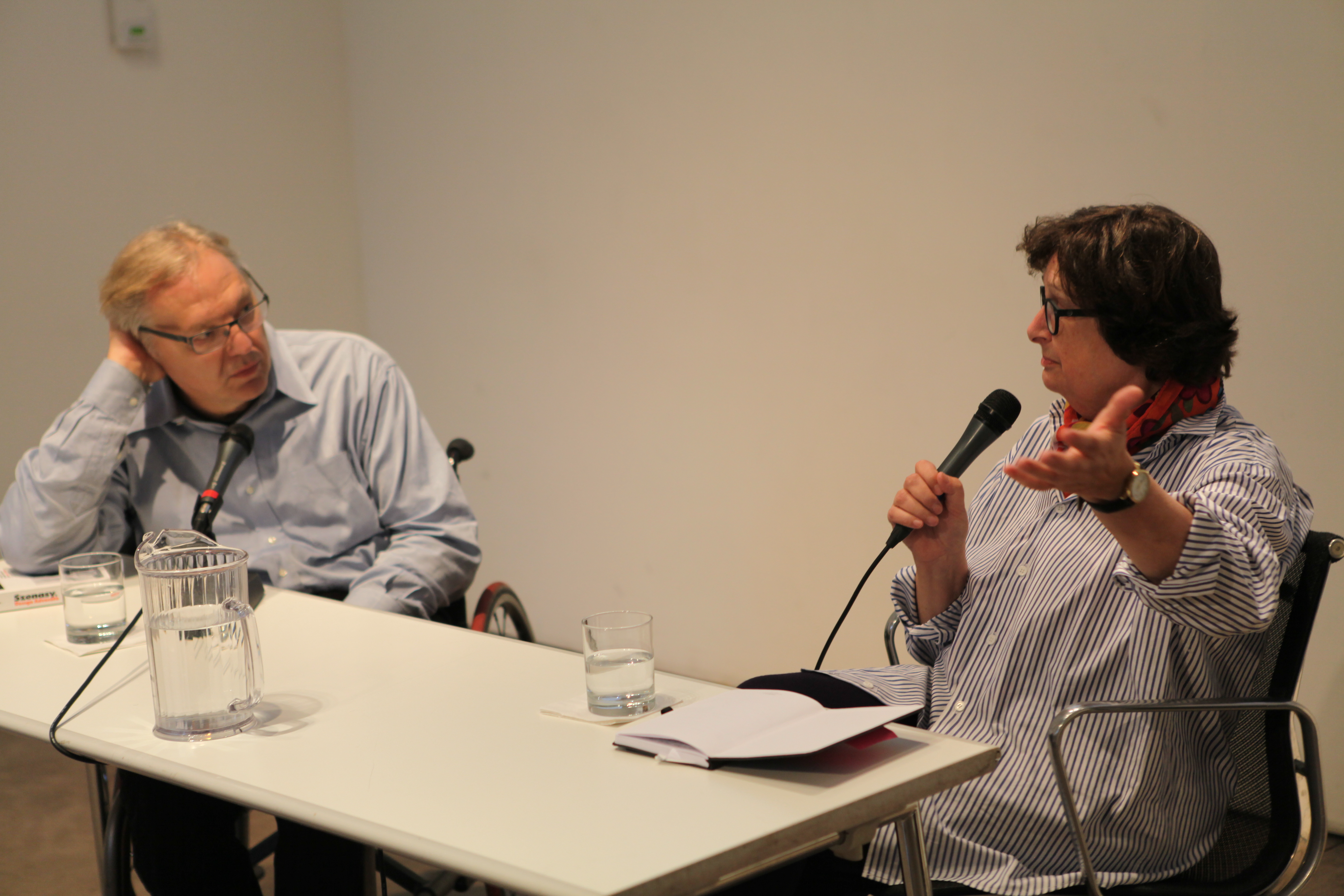
When one signs on to read a book to review, the book becomes your friend. It sits with you on the subway, it waits with you to pick up your child. In this case my new friend, Szenasy, Design Advocate, is the friend I have been looking for years. She is pragmatic, seasoned, enlightened, funny, and fully of New York City. She is the reason you moved to New York City as a youth – a friend like Susan Szenasy, Hon. AIANY (or the book) shows you the magic of the built environment. In fact, the book, edited by Ann Hubner, Akiko Busch, and Angela Riechers, is mapped out in chronological fashion and unfolds through Szenasy’s life. Each decade presents a focus or cultural event that contributed to Szenasy’s development as a critic and writer.
On 09.03.14, the Center for Architecture hosted Szenasy in conversation with the formidable John Hockenberry, who asked questions and offered some wonderfully unorthodox insights. Questions like “Who have you pissed off the most?’” and “What would you like to rant about?” prompted Szenasy to confide that the Skidmore, Owings & Merrill-designed One World Trade looks unfinished, and Hockenberry to add that he thought the top was a memorial to diabetic syringes. Both Szenasy and Hockenberry are too cultured and professional to let their opinions get too out of hand, but it certainly was a lively discussion that was appreciated by the audience. The evening aptly re-enforced the ethos of community, friendship, and the deep passion for design that Szenasy’s book constructs. Continue reading “Oculus Book Review: “Szenasy, Design Advocate””