Branching Out: Next Steps for Universal Pre-Kindergarten Expansion in NYC Libraries

Mayor Bill de Blasio’s universal pre-kindergarten (UPK) program launched in September 2014 and gave 53,000 children in New York City access to free, full-day UPK. The NYC Department of Education (DOE) has begun planning for the 2015-2016 school year, when it plans to roll out the next wave of seats. To accommodate the additional students, New York City agencies, non-profit and community organizations, and architects must collaborate to create safe spaces that meet communities’ needs.

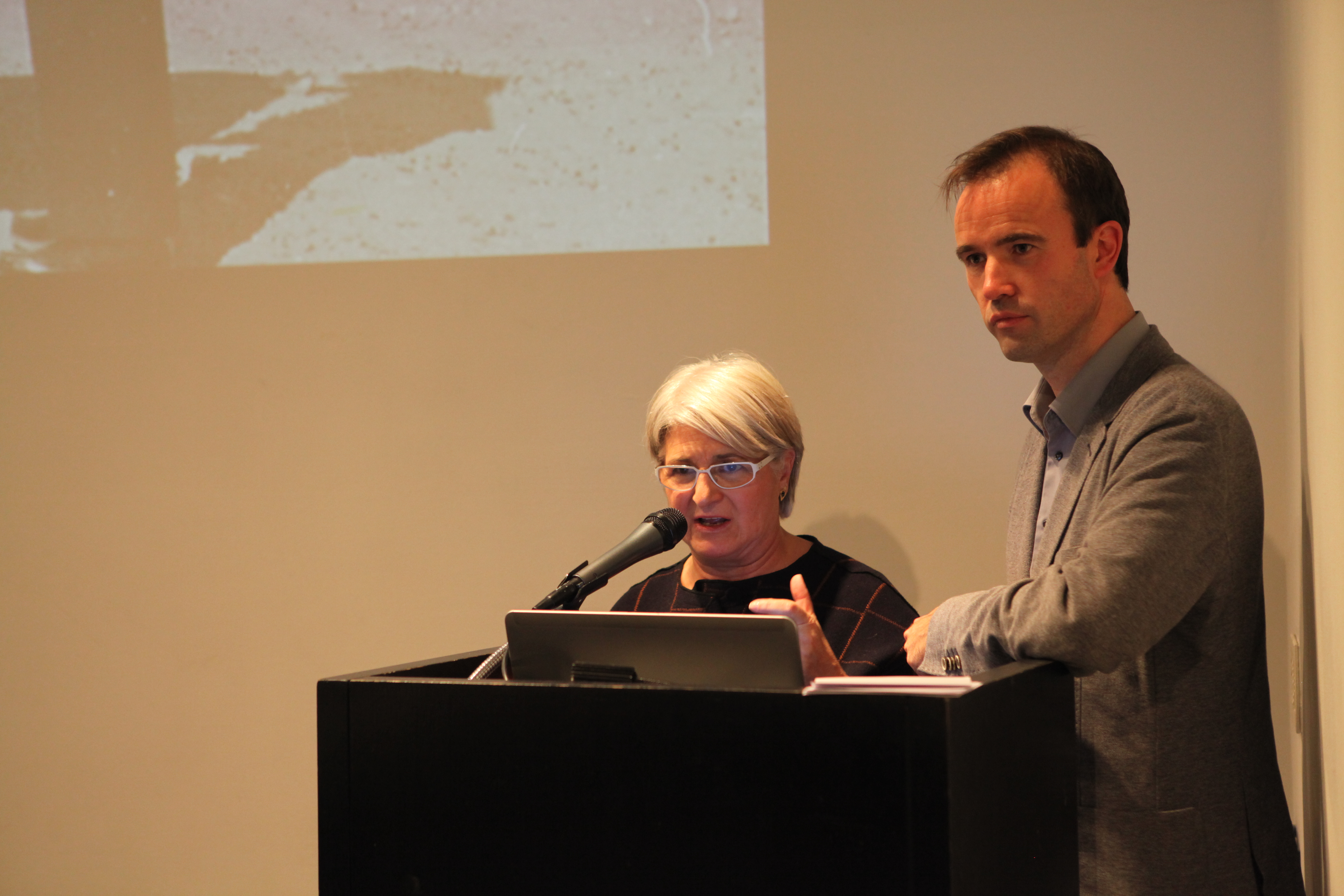
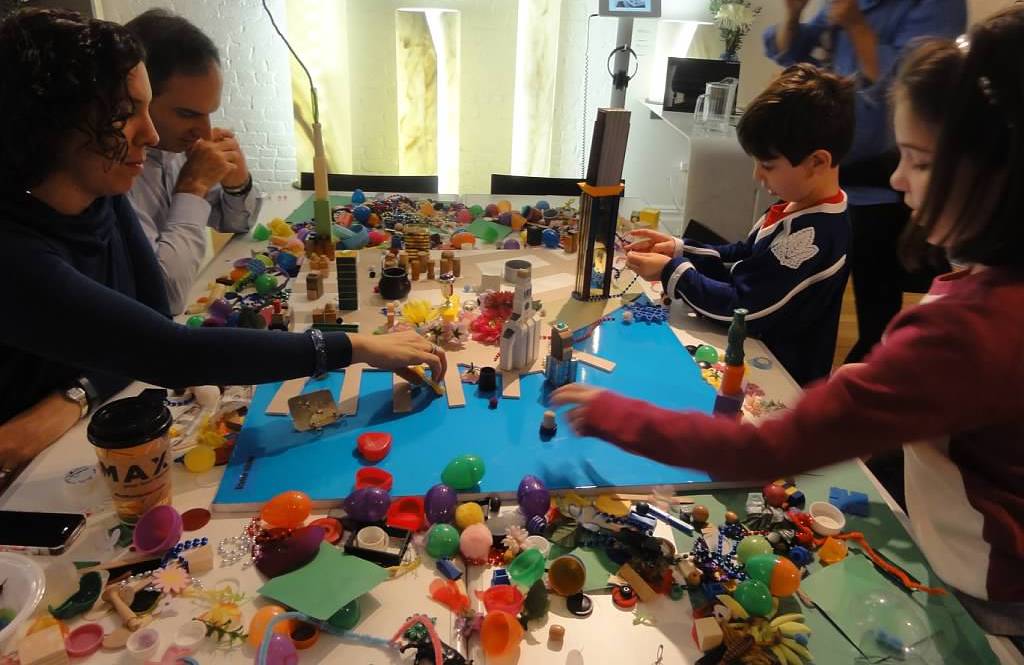
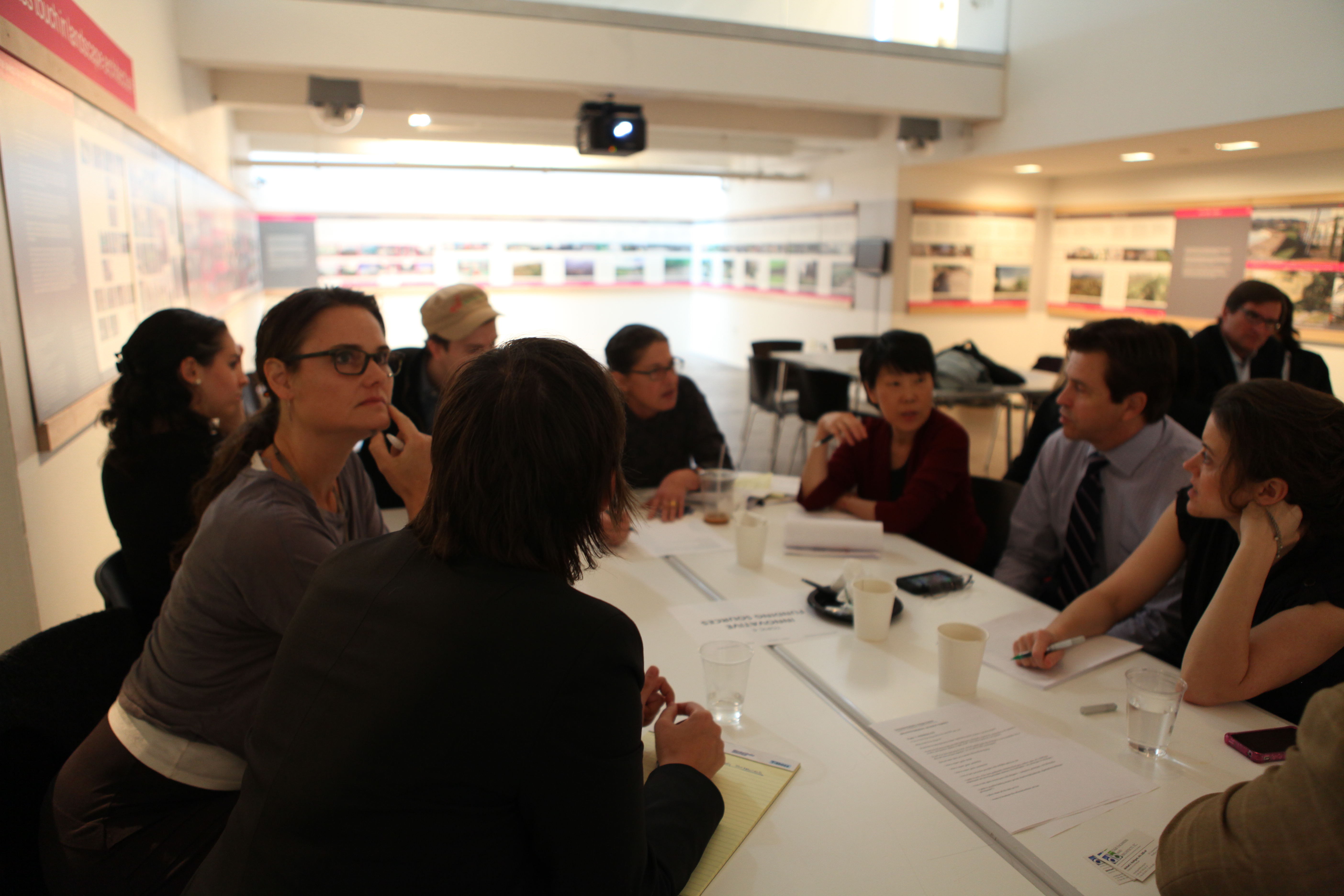
On 06.12.14, AIANY and the NYC Department of Design + Construction (DDC) hosted a charrette at the Center for Architecture that focused on creating UPK spaces in public branch libraries. Architects and representatives from DDC, DOE, the NYC Department of Health and Mental Hygiene (DOHMH), New York Public Library, Brooklyn Public Library, and Queens Public Library (QPL) spent the morning discussing common goals and designing potential classrooms in seven different libraries across five boroughs.

On 10.06.14, stakeholders came together again to continue the conversation. Speakers detailed the findings from the charrette, and reported on the work completed since then, including DDC’s work scouting and preparing classrooms, and how QPL has embraced the challenge. Speakers addressed questions from the charrette, including issues related to outdoor activity and space allocation, and presented suggestions based on work they have done in this area.  Continue reading “Branching Out: Next Steps for Universal Pre-Kindergarten Expansion in NYC Libraries”
Naughty, Gaudy, Bawdy, Sporty, and Gone: Times Squares Old and New

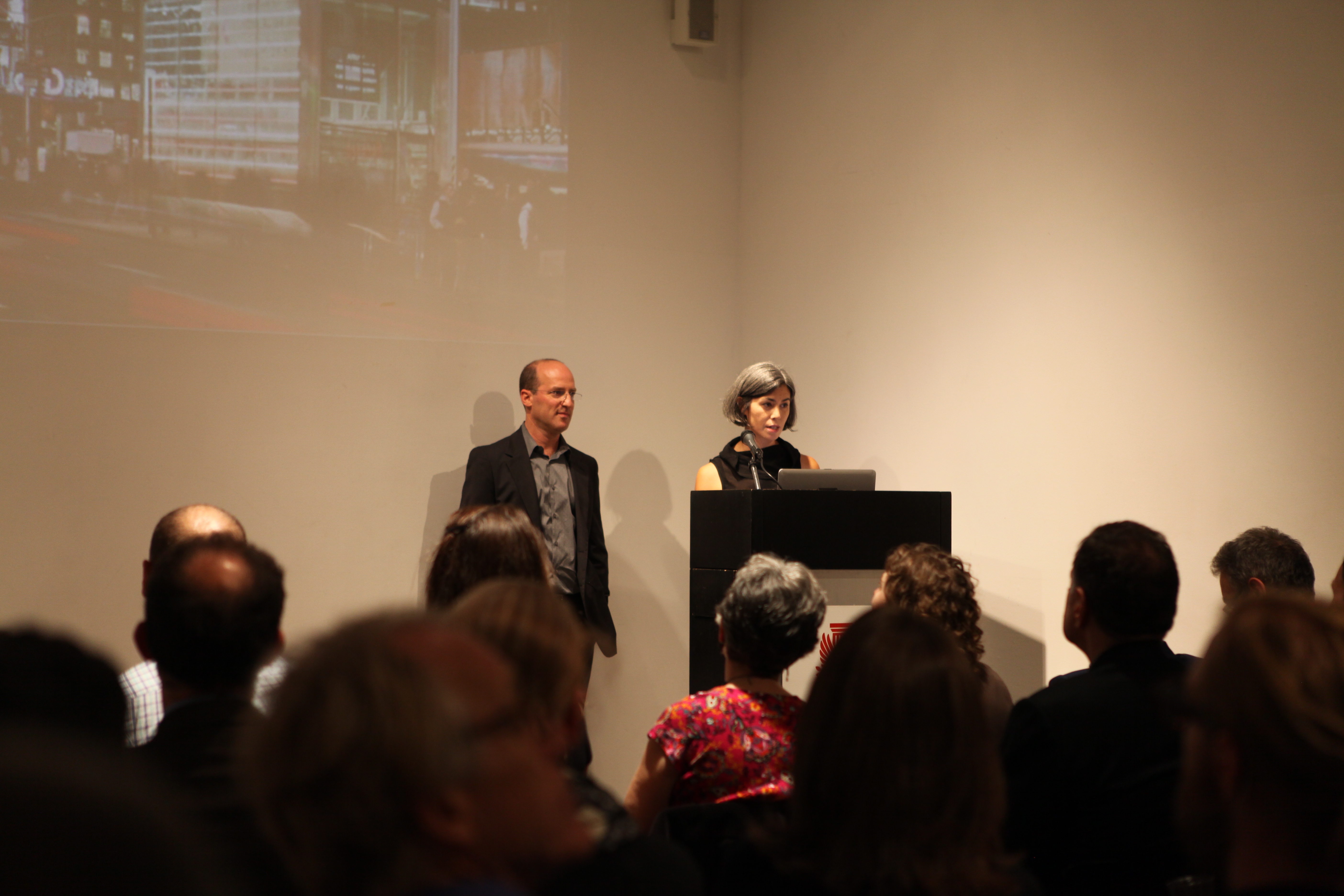
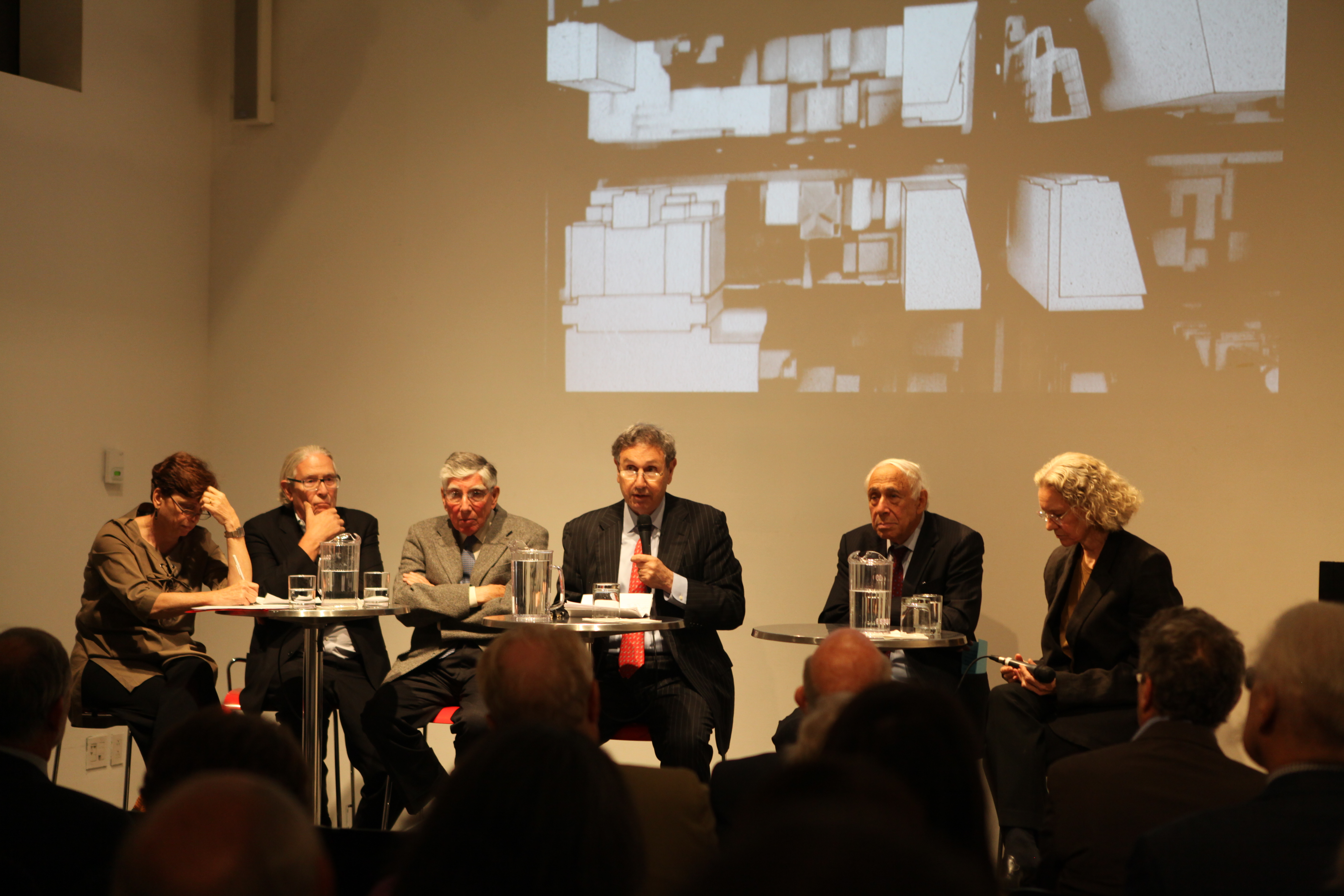
Times Square is mutating steadily, and its relation to the rest of the city is changing as well. Despite its central location, it has never really been the heart of the city; if Manhattan is viewed as an organism, the Times Square of the 1970s and ’80s was its cloaca. Crime and porn defined the place, at least as much as the grit, the funk, the crowds, and the dodgy street food ever did. (At one point in this panel’s reminiscences and reflections, Alexander Cooper, FAIA, expressed astonishment that “we’ve gone an hour-and-a-half and the word ‘porn’ hasn’t come up.” After that observation, it came up quite a bit.)

Many New Yorkers recall aspects of the pre-renovation Times Square fondly, and perhaps even more lament its Disneyfication, but there are few who would seriously want the conditions that journalist Robert Lipsyte called “an oasis of celebration and a sewer of crime” to have endured. The area, Cooper observed, offered “a moment of opportunity” for the patient efforts of city planners and the visionary exercises of architects, established and young. This panel, an initiative of the AIANY 2014 presidential theme “Civic Spirit: Civic Vision,” recalled and analyzed that transformative work, leaving NYC Planning Commission Chairman Carl Weisbrod’s ultimate question, “Did we do it right?” unresolved, but also leaving little doubt that something dramatic had to be done. Continue reading “Naughty, Gaudy, Bawdy, Sporty, and Gone: Times Squares Old and New”

Aging in Housing

In 2010 the New York City population over the age of 65 was just shy of one million, three million if one includes those over 45 years old. Forecasts predict that the senior population will grow 20% in the next 15 years. With the former and current city administrations focusing on affordable housing, housing for the elderly is moving into the spotlight.

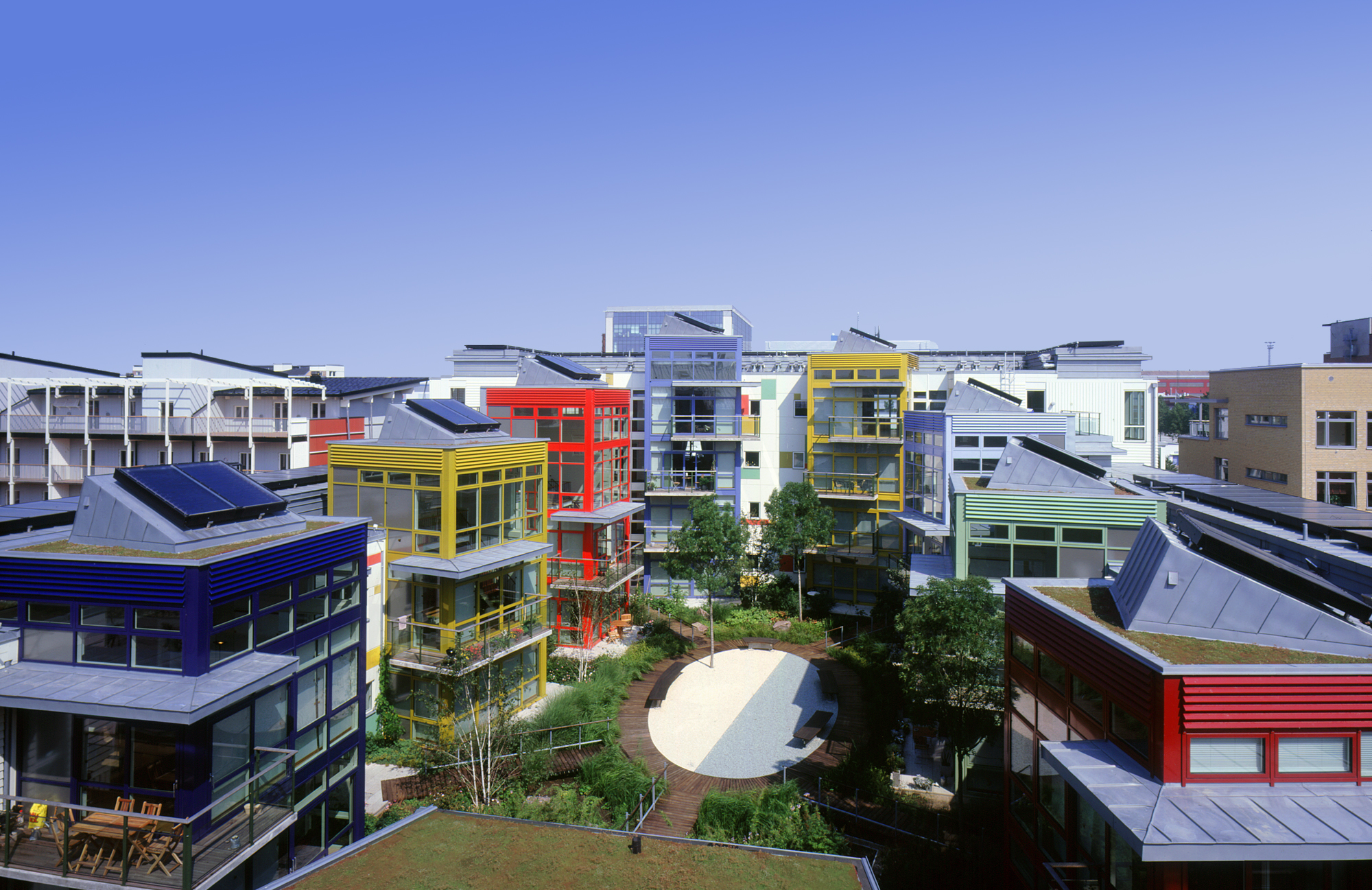
Architect, writer, and researcher Susanne Schindler, and landscape architect Nancy Owens, RLA, LEED AP, principal at Nancy Owens Studio, collaborated with Team R8 for the Making Room design study, which explored new housing unit arrangements to best meet current demographics and lifestyles. Their proposal suggested a mix of housing types based on single room occupancies with shared amenities that could be reconfigured to accommodate singles, couples with work space, and extended families. This model can provide the elderly with community and privacy. Landscaping­ – surfaces, elevation heights, and sequences­ – is an important component to encourage activity and presence in the community. Both Schindler and Owens agree that laws need to be changed to legally support the development of these new living arrangements. Continue reading “Aging in Housing”

Oculus Book Review: Casablanca Chandigarh: A Report on Modernization

It was a tremendous treat to hear scholars Tom Avermaete and Maristella Casciato discuss their process and share the evolution of the exhibition and subsequent publication Casablanca Chandigarh: A Report on Modernization on 10.06.14 at the Center for Architecture. Rarely is one privy to the process of assembling an architectural exhibition, and rarely is a book so close to the didactic mechanism of an exhibition. Avermaete and Casciato walked the audience through the intellectual findings of new material from the Pierre Jeanneret archive via the Canadian Centre for Architecture archive, and married the Jeanneret material on Chandigarh with research on its sister city in Modernism, Casablanca. Avermaete and Casciato crafted the exhibition and book around the idea that these two cities are a product of the history of Modernist ideals, and that they have worn exceedingly well as Modernist cities filled with inhabitants.

Avermaete and Casciato set up the story of the two cities with two heroes: Le Corbusier and Michel Ecochard (of course all Modernism needs a male hero). Le Corbusier’s story is typical: he glides through the countryside on his first visit to India with his sketchbook and romantically sketches half as journalist, half as visionary. The Punjab Notebook was described by Avermaete and Casciato as a prophetic manuscript, an example of the poetic research that Corbusier invented. With Casablanca, Ecochard is a dashing pilot and motorcyclist whose aerial photos and critical photojournalistic images developed into a rich method of anthropological research. Avermaete and Casciato cite the methods of both architects as valid.  Continue reading “Oculus Book Review: Casablanca Chandigarh: A Report on Modernization”

Ride Down Freshkills Kill

It’s a time of investment in Staten Island. The borough is currently undergoing two major projects. To capitalize on the passage of 22 million people and two million tourists a year through St. George Ferry terminal, the city is developing Staten Island’s North Shore waterfront with an impressive outlet mall, a residential and hotel complex, a new waterfront park in Stapleton, and the largest observation wheel in the world, twice the size of the London Eye – 630 feet, or 60 stories high, with up to 1,400 people per ride, and 40 people per capsule. With the prospect of creating over 1,000 jobs, the city anticipates that the plan will stimulate the local economy as well as function as a social center for the borough’s residents. The North Shore will receive $1 billion in private investment, the largest development in Staten Island since the 1964 Verrazano Narrows Bridge.

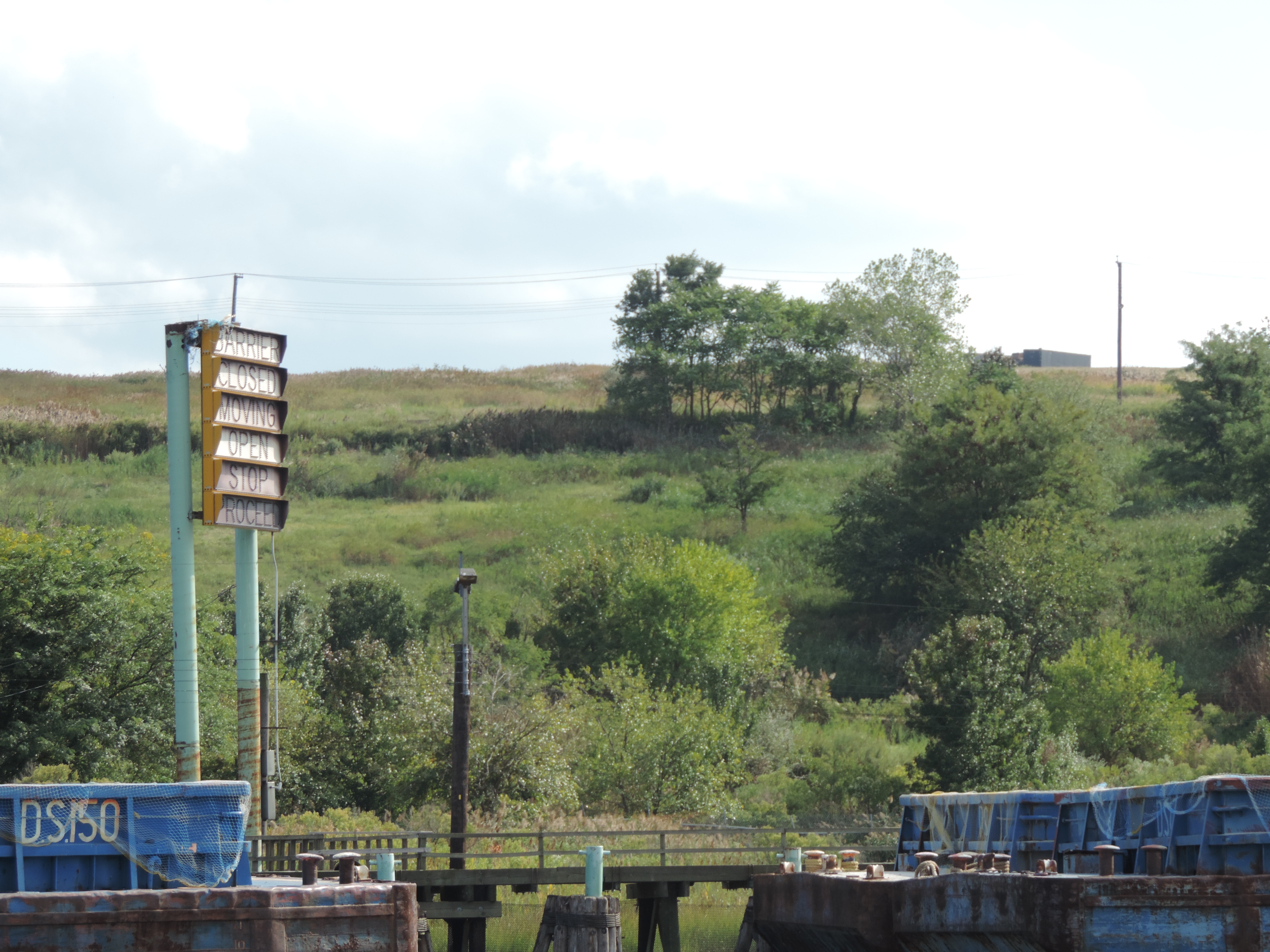
The observation wheel may supersede what had been the icon of Staten Island in the second half of 20th century: the Freshkills landfill. Towards the center of the island, the NYC Sanitation (DSNY) and Parks Departments have been at work transforming what was once the largest landfill in the world into a thriving, 2,200-acre public park. Unlike the St. George development plan, Freshkills Park is intended for local residents. Its restoration is an attempt to compensate for 57 years of trashing the community and to reverse decades of environmental and psychological damage incurred by the landfill. Continue reading “Ride Down Freshkills Kill”

Above All, Research

Just over 20 years of practice has proven that Architecture Research Office (ARO) had chosen its moniker well. For this year’s Oberfield Lecture, Stephen Cassell, AIA, and Kim Yao, AIA, two of the firm’s three partners, presented seven projects summarizing the office’s current course and future trajectory.

The smallest structure was a 69-square-foot chicken coop – yes, 20 years on, they still take on projects that require only two pages of contract documents­ – while the largest is a 120,000-square-foot football stadium addition. The micro-project offered the opportunity to study surface manipulations as an architectural expression, while the stadium examined topography and access in wedging in a 500-foot-long building that maintained campus sightlines. Continue reading “Above All, Research”

History is in the Details

With an increasingly historicized New York City, the number of landmarked or historical districts in which architects will work is only increasing.  The panel “Keeping it Real: Researching Historical Buildings” included representatives from the architectural and engineering professions, an academic, and a director of the NYC Landmarks Preservation Commission. Each looked at research and data collection in order to navigate preservation laws and renovations for historical buildings.

Existing archives are the foremost place one should check. Few will be as thorough as the Marcel Breuer Digital Archive at Syracuse University, where Theresa Harris, Ph.D., is project coordinator. She suggested looking for established works – archives, books, letters, memoirs, local historical organizations – before getting into deeper research in more extensive collections and databases. Language is a key to research. “Know the language of archivists,” Harris advised; she suggested keywords such as “files” and “papers” rather than merely “archives.” Of course, more well-known and documented architects as Breuer will have stronger foundations. Continue reading “History is in the Details”

Family Festival Brings Hundreds to the Center for Architecture

The Center for Architecture Foundation (CFAF) collaborated with openhousenewyork (OHNY) to present the 7th annual Family Festival as part of Archtober and OHNY’s annual exploration of NYC’s built environment. During this free, weekend-long event, more than 300 parents and kids came to the Center for Architecture to enjoy a variety of art and design activities presented by OHNY, CFAF, and several other participating organizations and individuals. The goal was to build awareness of and interest in the city’s built environment among New Yorkers of all ages, and to introduce them to the many cultural institutions that provide family programming on the topic year-round. Continue reading “Family Festival Brings Hundreds to the Center for Architecture”

Names in the News

Margaret O’Donoghue Castillo, AIA, LEED AP, has been elected the 2016 AIA New York State (AIANYS) President…

The 2014 AIA New York State Honor Awards for service and achievement were conferred upon: Adrienne Bresnan, FAIA, and Joseph Bresnan, FAIA (Fellows Award); Margaret O’Donoghue Castillo, AIA, LEED AP, and John A. Notaro, AIA (Matthew W. Del Gaudio Awards); Dennis A. Andrejko, FAIA (Kideney Award), Gregg Pasquarelli, AIA (President’s Award); Linsey Graff, Assoc. AIA (Intern-Associate Award), Jodi Monroe, AIA, and Rebuild by Design (Community Development Awards); Gensler (Firm of the Year); Deborah Gans, FAIA (Educator Award); and Jennifer (JD) Harper (Student Award)…The 2014 AIA New York State Design Awards presented the Best in New York State Award to Caples Jefferson Architects for the Weeksville Heritage Center in Brooklyn. Other New York City-based firms winning project recognition included: ABA Studio/Andrew Bartle Architect; Amman & Whitney; Bade Stageberg Cox; Bernard Tschumi Architects; Beyer Blinder Belle Architects & Planners; Davis Brody Bond; FXFOWLE Architects; Gabellini Sheppard Associates; Gans Studio Architecture; Grimshaw Architects; Handel Architects; IBI Group • Gruzen Samton; Louise Braverman Architect; Kohn Pedersen Fox Associates; LTL Architects; Marvel Architects; Nicole Migeon Architect; Pelli Clarke Pelli Architects; Perkins Eastman; Rice+Lipka Architects; Ryall Port Sheridan Architects; SLCE Architects; Stantec; Steven Holl Architects; Thomas Balsley Associates; Voorsanger Architects; WASA/Studio A; Weiss/Manfredi; William Reue Architect; and WORK Architecture Company/WORKacContinue reading “Names in the News”